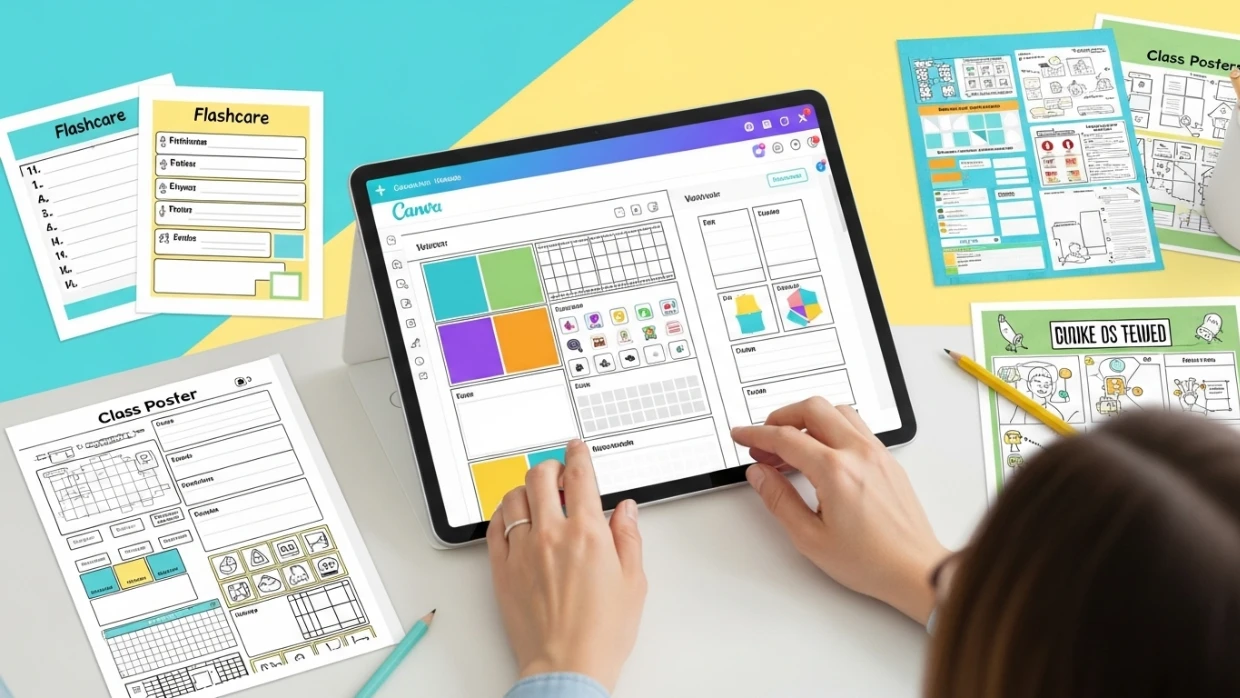
Learn how to use Canva to create beautiful, time-saving classroom materials that captivate students and simplify lesson prep.

Easy-to-apply strategies that help teachers manage behaviour through consistency, kindness, and structure.
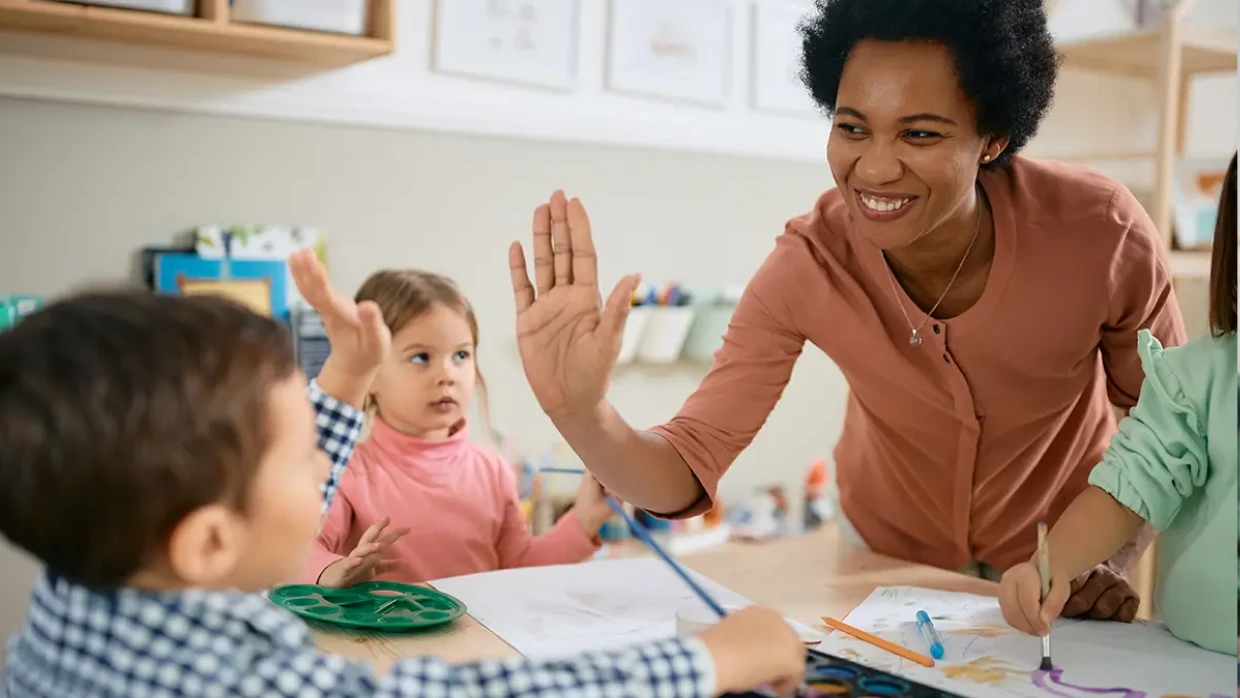
Have you ever felt overwhelmed by the chaos in your classroom, unsure of what to do? Or perhaps you’ve relied on punishments, only to realize they create fear and resentment rather than meaningful change. As a teacher, I have also experienced these issues. However, with the right techniques and resources, I have managed to significantly reduce instances of misbehavior and classroom chaos. Positive discipline offers a different approach—one that fosters respect, encourages growth, and builds a stronger classroom community.
Positive discipline is about creating an environment where students feel respected, valued, and motivated to learn. Unlike traditional approaches that rely on punishments, positive discipline focuses on teaching, guiding, and reinforcing good behavior through encouragement and clear expectations. Here are five simple strategies that every teacher can implement to foster a positive classroom culture.
Students thrive when they know what is expected of them. Clearly define classroom rules and involve students in the process. This promotes ownership and understanding. Use simple, positive language like “Be respectful,” “Listen when others are speaking,” or “Take care of classroom materials.”
Example: Instead of saying, “Don’t talk while I’m talking,” try “Let’s all listen carefully when someone is speaking so we can learn from each other.”
Consistency helps students feel secure. Establish predictable routines for daily activities—such as morning greetings, transitions between lessons, or end-of-day reflections. When students know what to expect, it reduces anxiety and behavioral disruptions.
Example: Start each day with a “morning circle” where students share one positive thing, or even to sing a song together or setting a calm and connected tone for the day.
Catch students doing the right thing and acknowledge it. Praise specific behaviors rather than general traits. For example, say, “I appreciate how you helped your classmate with their project” instead of just “Good job.” This reinforces desired behaviors and motivates others to follow.
Example: Create a “kindness jar” where students add a note whenever they witness a classmate doing something positive. Review the notes weekly to celebrate good behavior.
When conflicts arise, focus on repairing relationships rather than assigning blame. Restorative practices encourage students to reflect on their actions, understand the impact on others, and find ways to make amends. This builds empathy, accountability, and problem-solving skills.
Example: After a conflict, hold a brief “restorative chat” where students involved discuss what happened, how it affected others, and what they can do to make things right.
Students learn by observing their teachers. Demonstrate respect, patience, and active listening in your interactions. When students see these behaviors modeled consistently, they are more likely to mirror them in their own actions.
Example: If a student interrupts, instead of reacting with frustration, calmly say, “I understand you have something important to share. Let’s wait until your classmate finishes speaking, then it’s your turn.”
Positive discipline is about guiding rather than punishing. By setting clear expectations, reinforcing good behavior, and fostering a respectful classroom environment, teachers can create spaces where students feel motivated, engaged, and ready to learn. Remember, every small step towards positive discipline contributes to a more harmonious and productive classroom.
Learn how to use Canva to create beautiful, time-saving classroom materials that captivate students and simplify lesson prep.
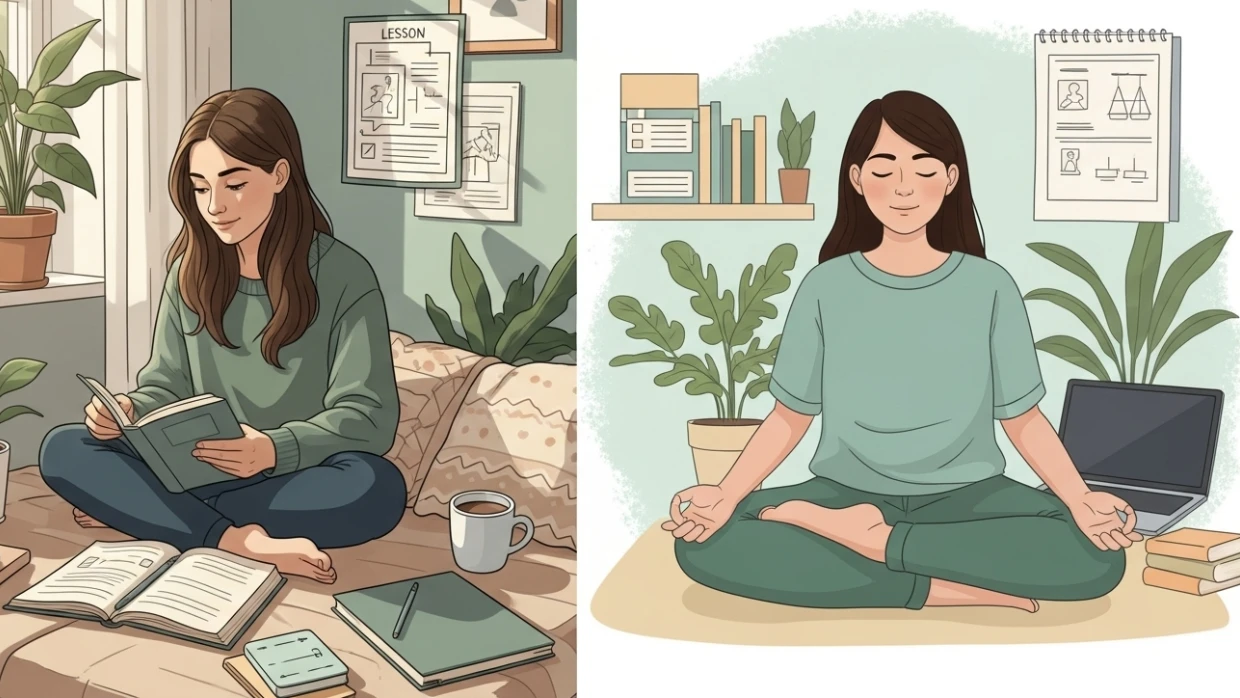
Daily habits and reflections that help you recharge and stay inspired as an educator.
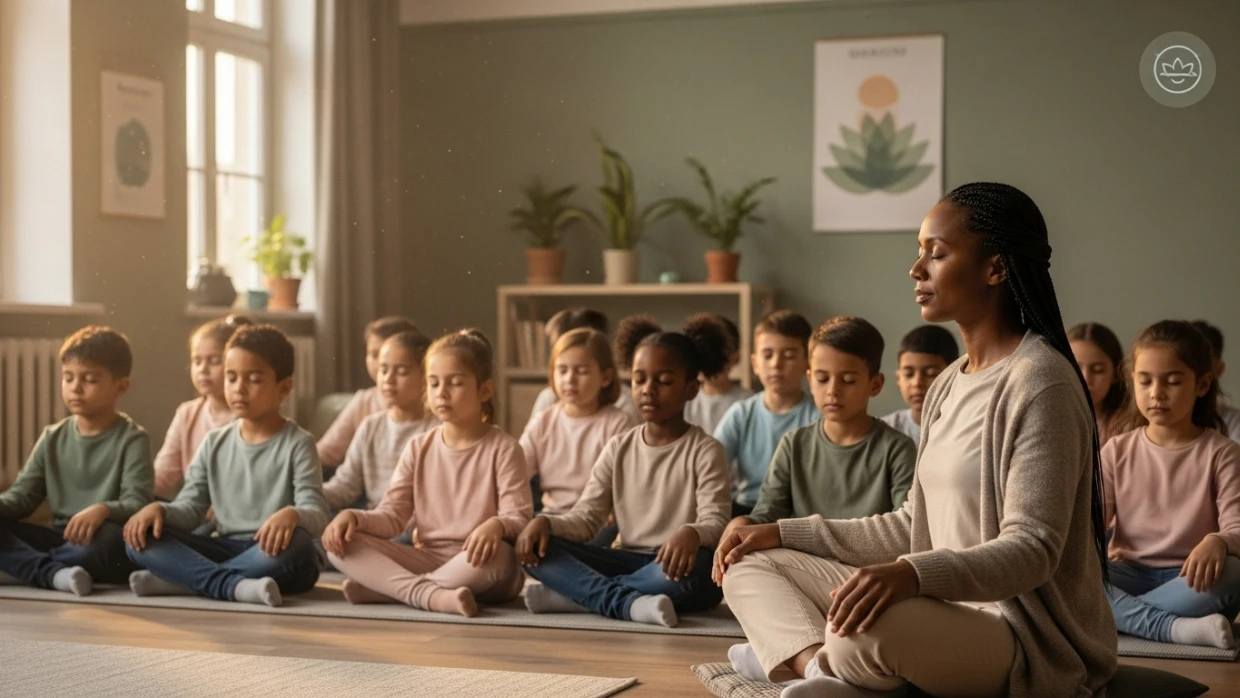
Simple tools to stay calm and grounded even on the toughest teaching days.
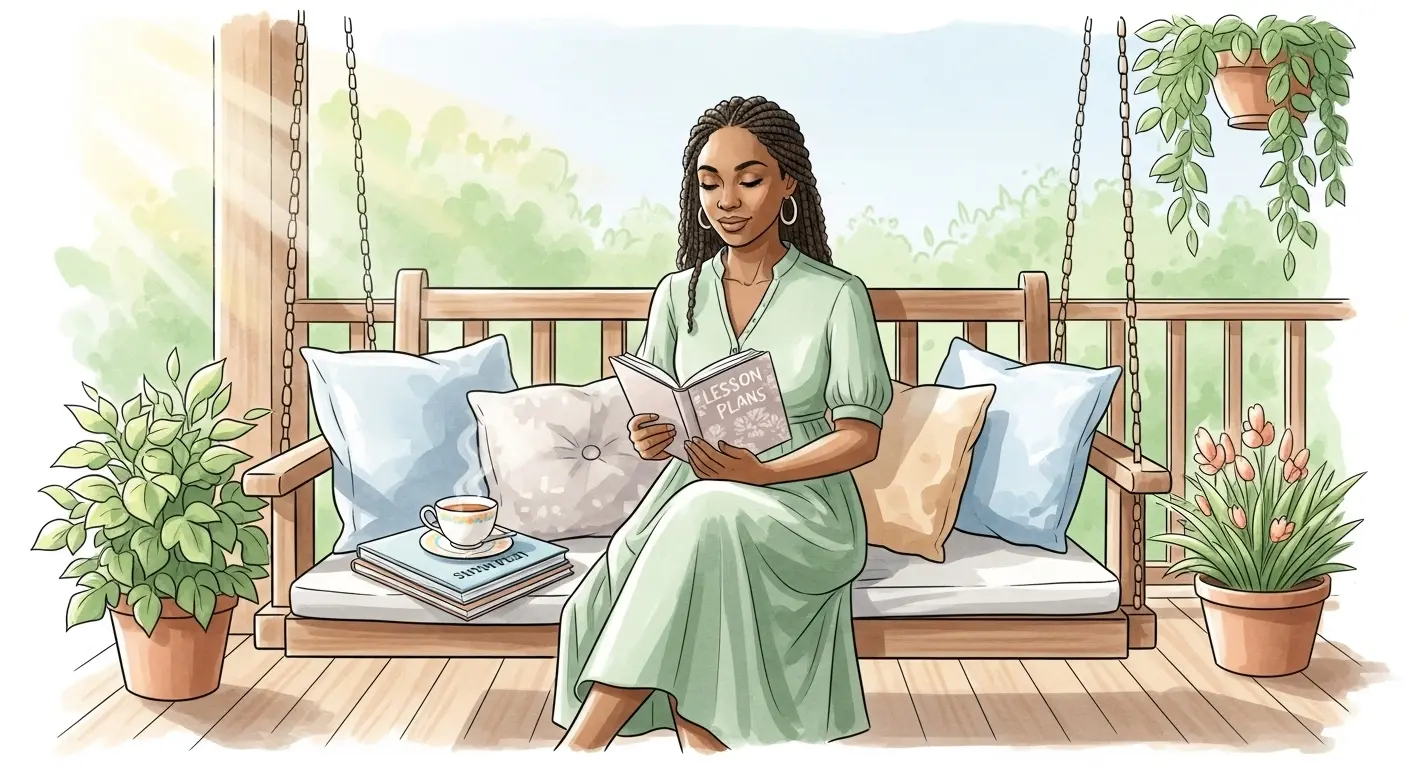
Finding Time for Yourself As a former language school director juggling teachers, students, families, and schedules, and as a mother of three children, I understand how easily teaching can spill into every corner of your life. Add lesson planning, grading, and professional development to the mix, and it feels like there’s barely a moment to […]

Modern neuroscience shows that true learning happens when we teach with the brain, not against it. This article explores how visual, social, and emotional factors influence memory and understanding — and how teachers can create classrooms that align with how the brain naturally learns.

Discover how to organize, plan, and collaborate efficiently using Google Workspace tools tailored for teachers.

Turn lesson plans into real learning experiences with strategies that make planning practical and purposeful.
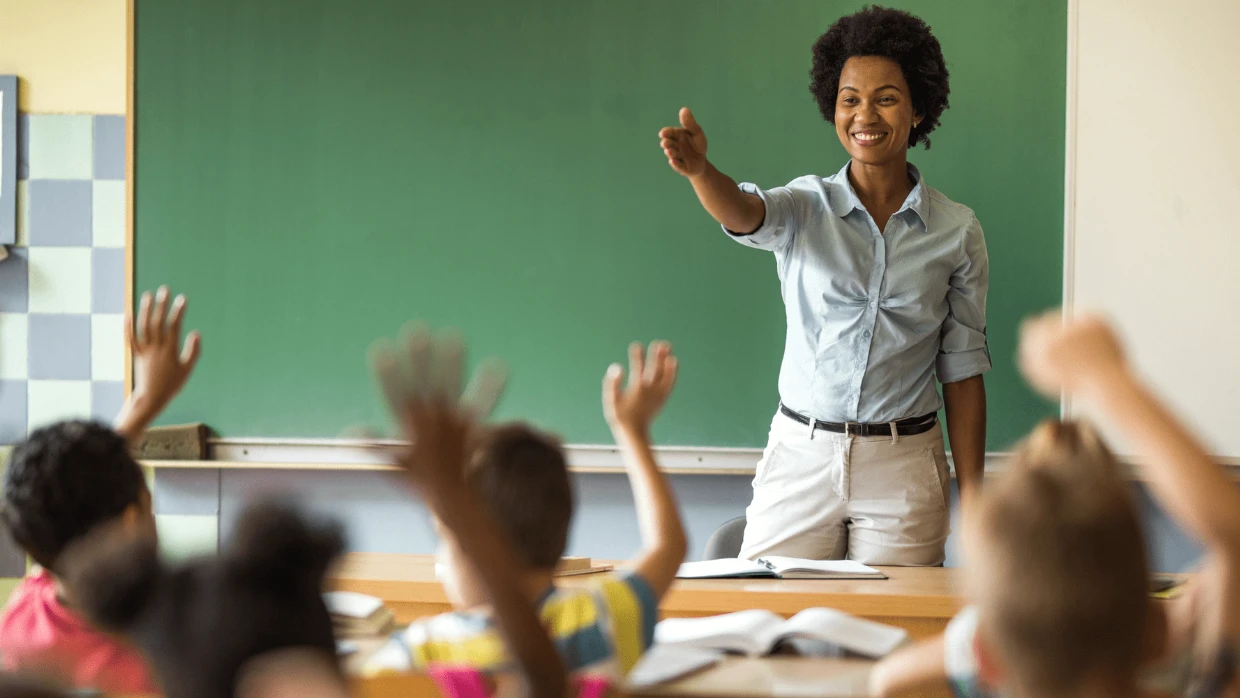
Reflect on what it means to lead with purpose — in your classroom, school, and beyond.
Privacy Policy | Cookies Policy | Terms of Use