
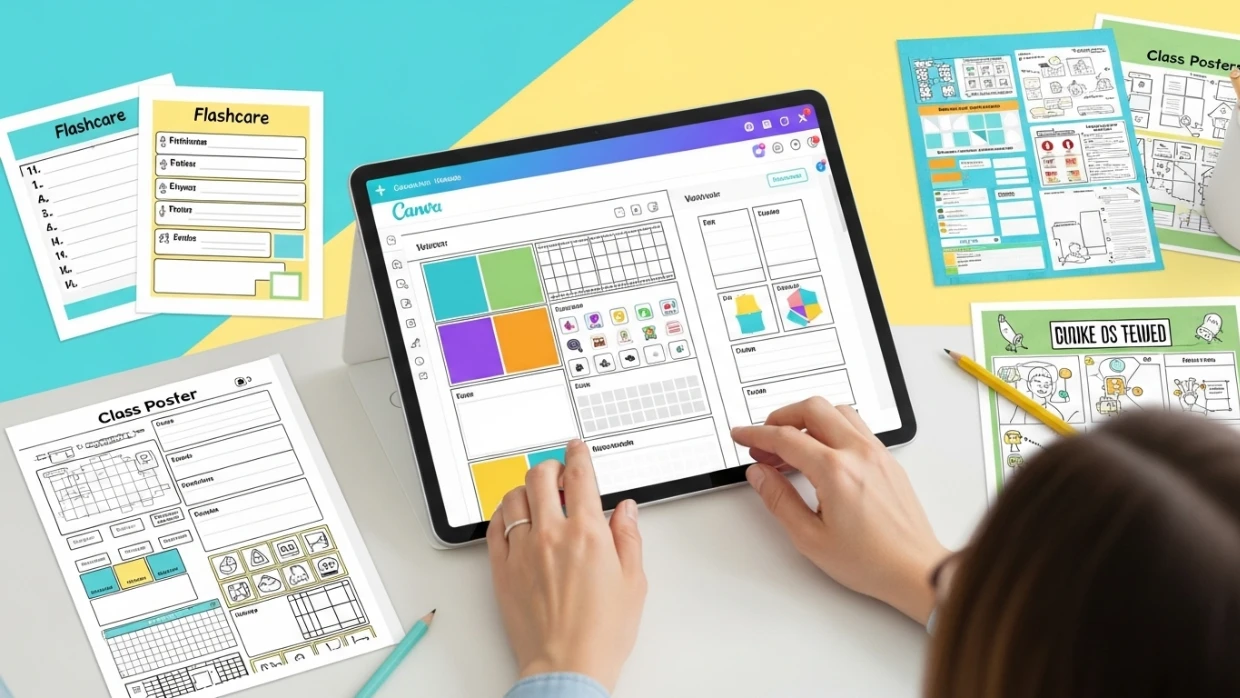
Learn how to use Canva to create beautiful, time-saving classroom materials that captivate students and simplify lesson prep.

Build a classroom culture where students feel safe, valued, and motivated to learn every day. Discover how empathy, clear expectations, and shared responsibility can transform your classroom into a community of trust, respect, and joy for learning.
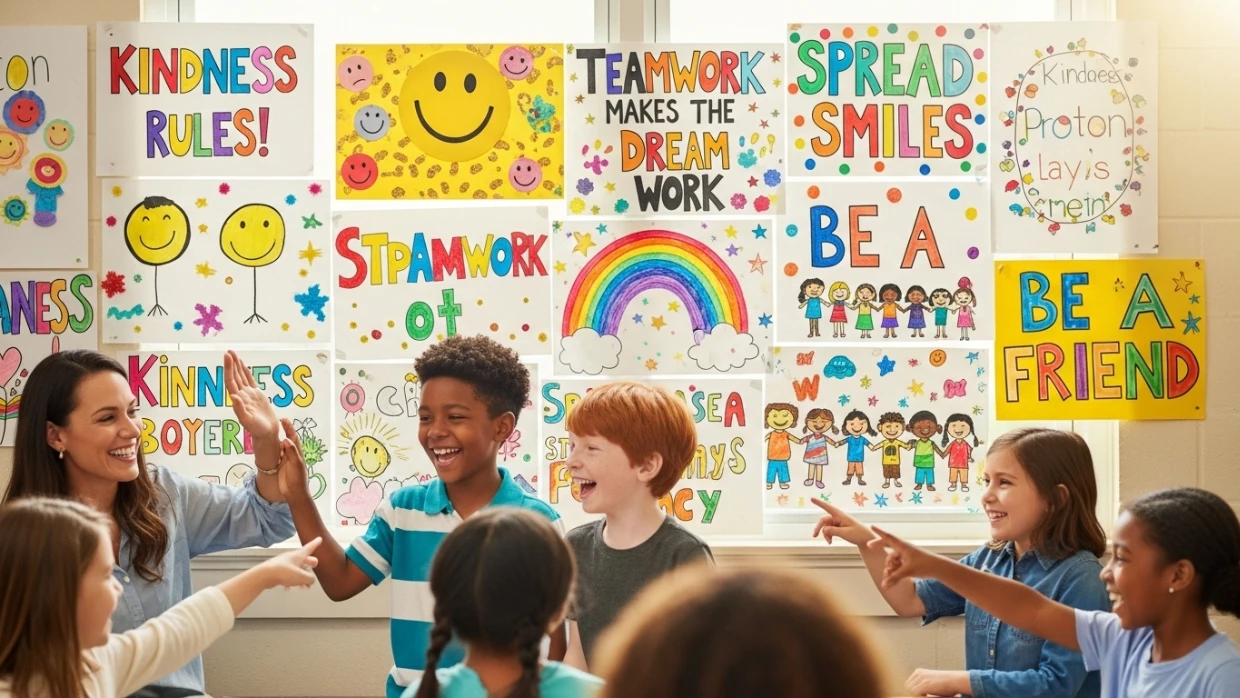
During my time teaching in a primary school in the UK, I noticed something remarkable: the students were consistently well-behaved, attentive, and engaged. It wasn’t just about strict rules; it was because the teachers actively applied strategies to create a positive classroom culture.
This experience opened my eyes to the power of intentional classroom management, and it was there that I learned to implement these strategies myself. A positive classroom culture doesn’t happen by accident—it requires deliberate approaches and consistent effort. Here I explain how you can also achieve it.
Students are more engaged when they feel connected to their teacher. Take time to learn their names, interests, and strengths. A simple gesture, like greeting students at the door with a smile, can set a welcoming tone. When I taught Spanish to secondary students, asking about their favorite music or sports often opened the door to meaningful connections.
Instead of imposing rules, involve students in creating classroom agreements. This gives them a sense of ownership and responsibility. In one of my language classes, we created a “Class Charter” where students contributed ideas on what respect and participation looked like. It became a reference point we all valued.
Encourage students to see mistakes as part of the learning process. Share stories of your own learning challenges—like the time I struggled with learning complex grammar rules in French but persisted through practice. Celebrate effort, not just achievement, and use phrases like, “You haven’t mastered it yet.”
Consistency helps students feel secure. Establish daily routines for starting and ending lessons, transitioning between activities, and managing materials. When teaching adults, I found that even simple rituals, like starting with a quick reflection or goal-setting exercise, helped create a focused and respectful environment.
Give students opportunities to make decisions about their learning. This could be as simple as choosing between activities or leading class discussions. In my university classes, I often allowed students to select topics for presentations, which increased their motivation and ownership of their work.
Students learn more from what we do than what we say. Demonstrate kindness, patience, and respect consistently. I’ve noticed that when I model active listening and positive language, students naturally mirror those behaviors.
In a language class with young learners, I introduced a weekly “Star of the Week” activity, where students highlighted a peer’s positive contribution. This simple practice not only boosted self-esteem but also encouraged a culture of kindness and recognition.
Creating a positive classroom culture is an ongoing process that evolves with each group of students. By building relationships, fostering a growth mindset, and modeling respect, we can create spaces where students feel motivated to learn and grow—and where teaching becomes even more rewarding.
Learn how to use Canva to create beautiful, time-saving classroom materials that captivate students and simplify lesson prep.
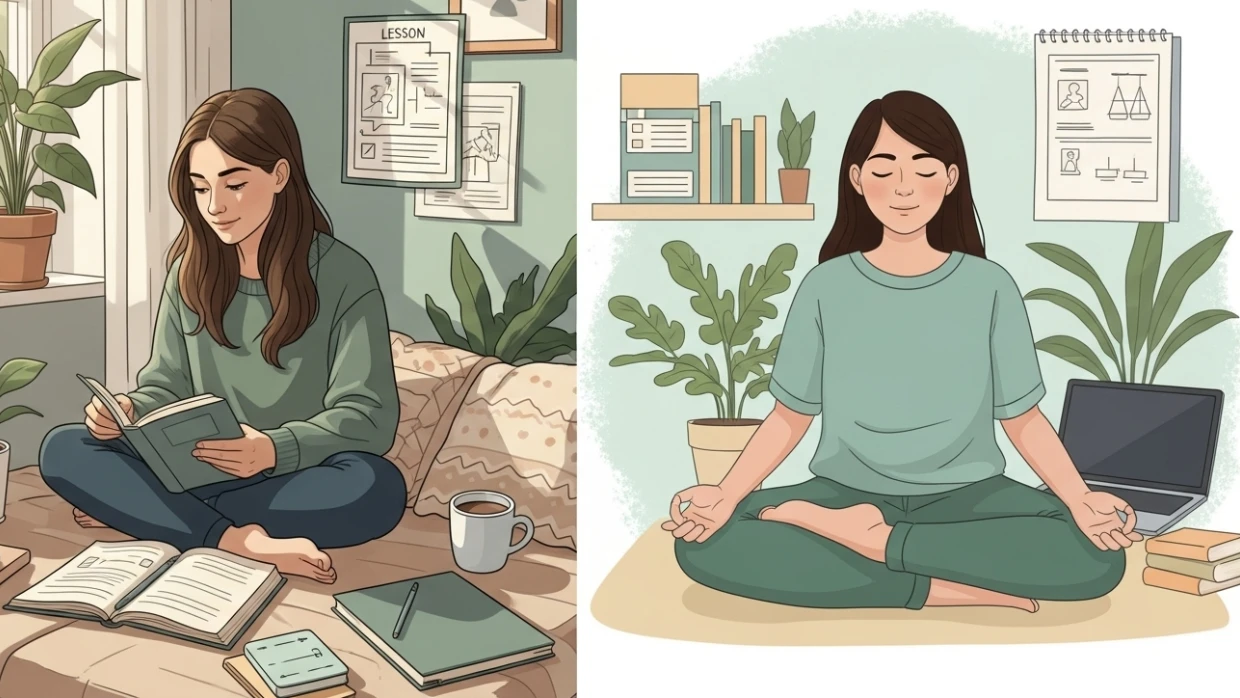
Daily habits and reflections that help you recharge and stay inspired as an educator.
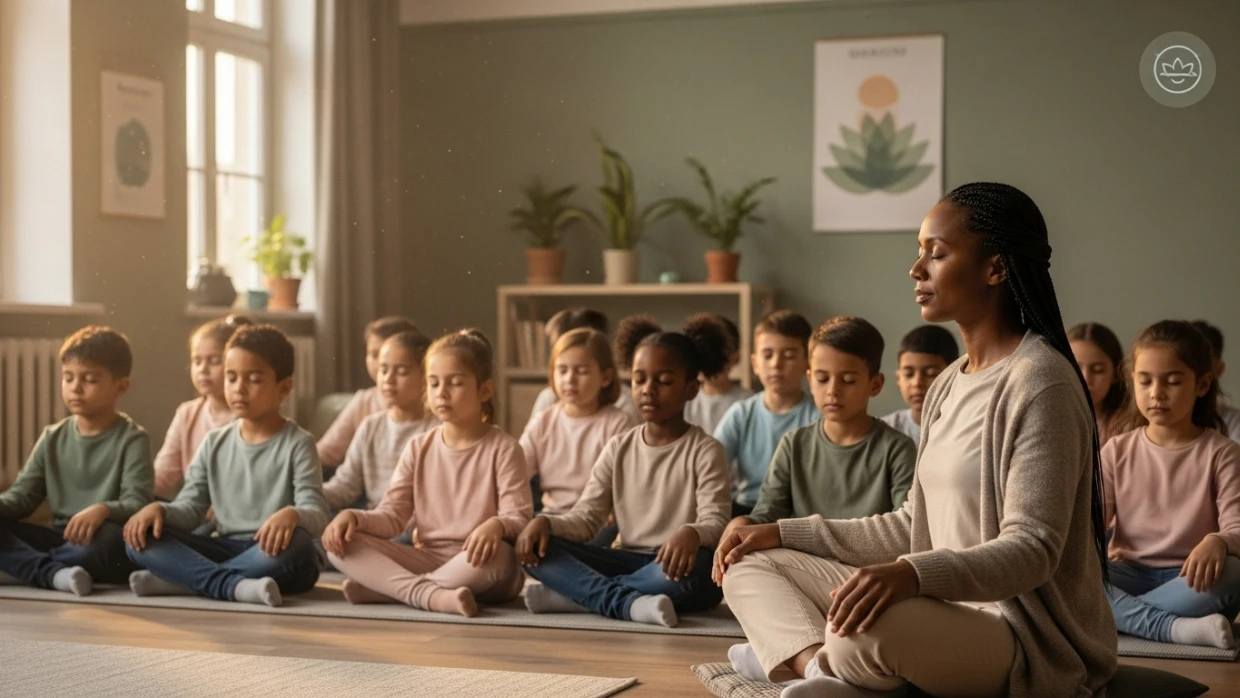
Simple tools to stay calm and grounded even on the toughest teaching days.
Finding Time for Yourself As a former language school director juggling teachers, students, families, and schedules, and as a mother of three children, I understand how easily teaching can spill into every corner of your life. Add lesson planning, grading, and professional development to the mix, and it feels like there’s barely a moment to […]

Modern neuroscience shows that true learning happens when we teach with the brain, not against it. This article explores how visual, social, and emotional factors influence memory and understanding — and how teachers can create classrooms that align with how the brain naturally learns.

Discover how to organize, plan, and collaborate efficiently using Google Workspace tools tailored for teachers.

Turn lesson plans into real learning experiences with strategies that make planning practical and purposeful.

Reflect on what it means to lead with purpose — in your classroom, school, and beyond.

Privacy Policy | Cookies Policy | Terms of Use