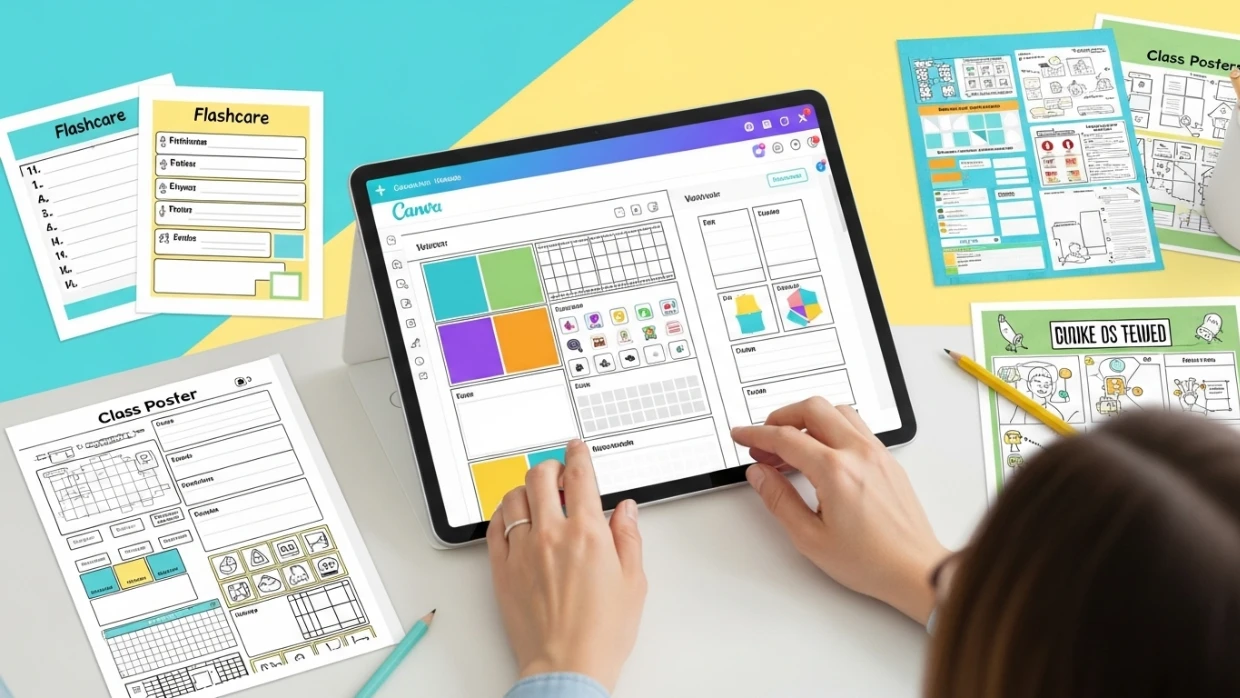
Learn how to use Canva to create beautiful, time-saving classroom materials that captivate students and simplify lesson prep.

Practical ideas to adapt lessons and activities so that every student feels included and capable.
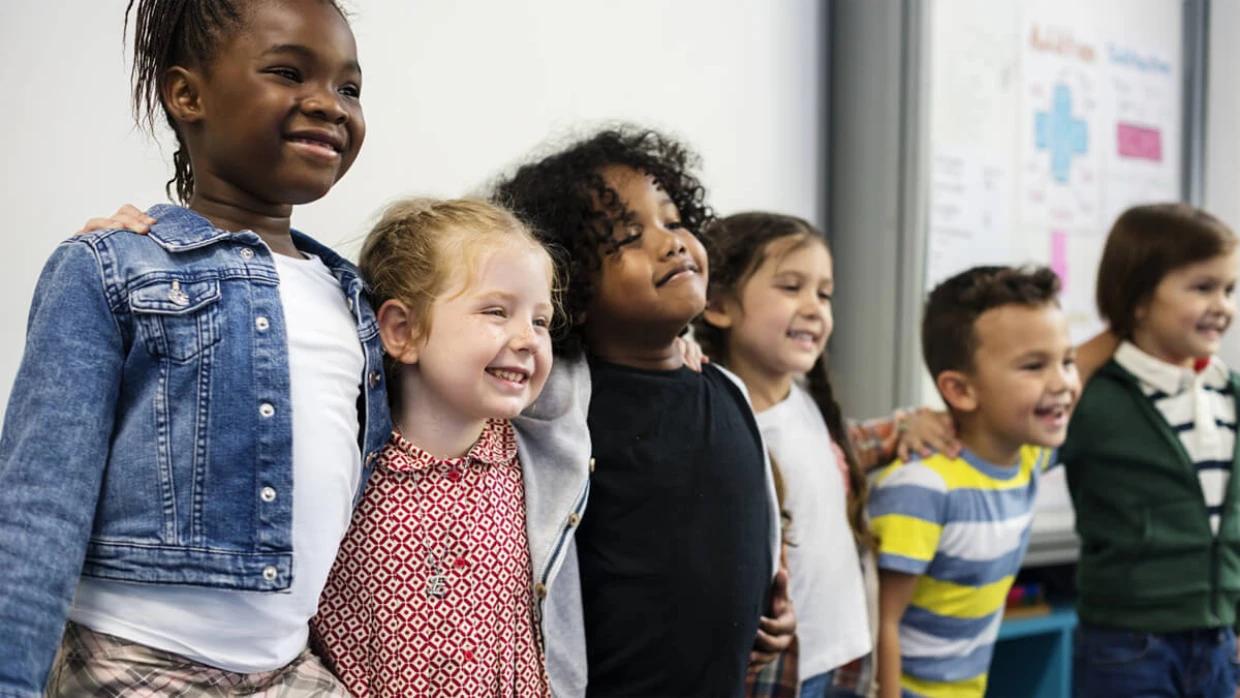
There’s a moment every teacher knows — that pause when you realize one student still hasn’t understood, while another is already waiting impatiently to move on. It used to make me feel like I was failing one of them.
Over time, I discovered that inclusion doesn’t mean teaching everyone the same way — it means making sure everyone can access learning in their own way.
My perspective changed completely when I began teaching mixed-ability English groups. In one class, I had students who could hold simple conversations and others still learning basic words. The magic started when I stopped trying to “level” the group — and started layering the learning.
Inclusion isn’t about simplifying tasks or giving extra time to some students — it’s about designing flexibility from the start. It’s the belief that every child can learn, but not necessarily in the same way or at the same pace.
Inclusive classrooms:
When students feel accepted as they are, they start taking more risks — and that’s when real learning happens.
a) Offer Choice
Whenever possible, give students options:
Choice empowers students and reduces anxiety.
b) Scaffold Tasks
Break down activities into smaller, achievable steps. For example, before writing a paragraph, brainstorm together, model the first sentence, then let them continue.
c) Use Peer Support
Pair students strategically — a stronger one with a developing learner — but rotate often so everyone learns from each other. Peer tutoring builds empathy and confidence.
d) Differentiate by Outcome, Not Task
Give everyone the same activity but let them respond at different levels. For example, in a storytelling task:
Sometimes inclusion starts not with a method, but with a mindset.
Simple language shifts make a big difference:
One of my most successful inclusive lessons was called My Superpower.
Each student had to present one thing they were good at — drawing, running, helping others, speaking English, anything! We created a classroom poster celebrating everyone’s strengths. The result? Students began to see learning not as competition, but as teamwork.
Creating an inclusive classroom doesn’t require fancy materials or perfect planning — it starts with empathy. When we focus on what students can do, we build bridges instead of barriers.
Inclusion is not a goal to achieve — it’s a daily practice of seeing, valuing, and adapting.
And when every child feels they belong, the classroom truly becomes a place where everyone can learn.
Learn how to use Canva to create beautiful, time-saving classroom materials that captivate students and simplify lesson prep.
Daily habits and reflections that help you recharge and stay inspired as an educator.
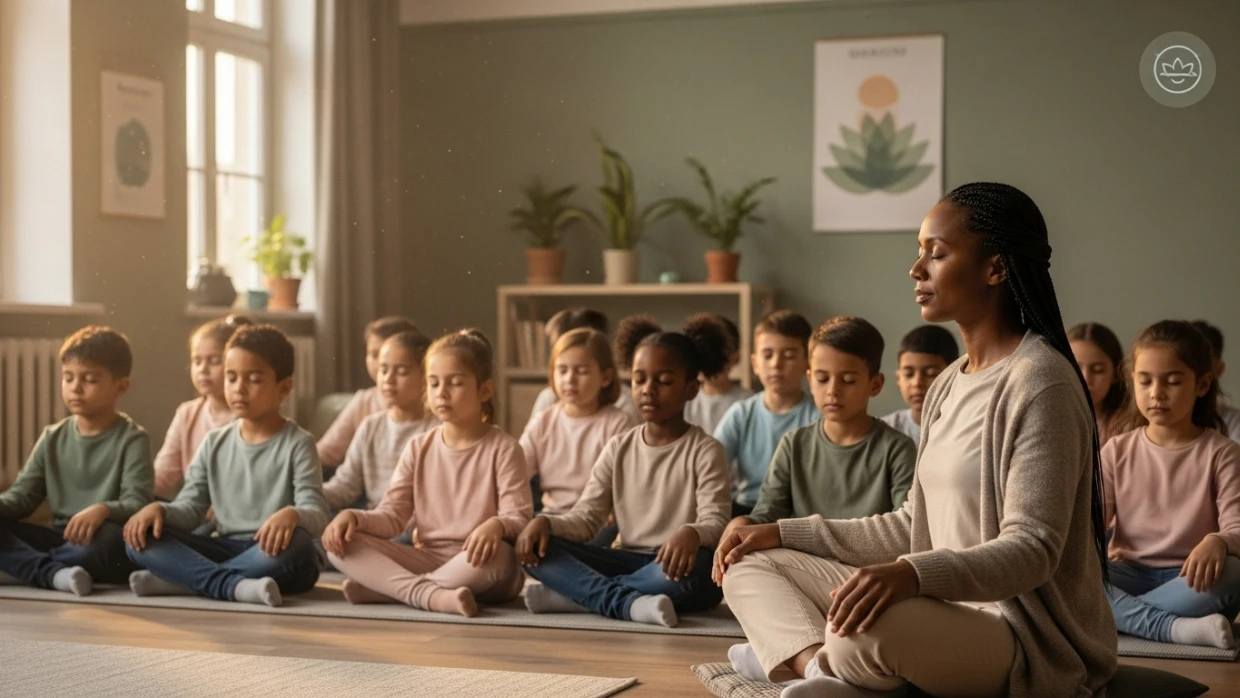
Simple tools to stay calm and grounded even on the toughest teaching days.
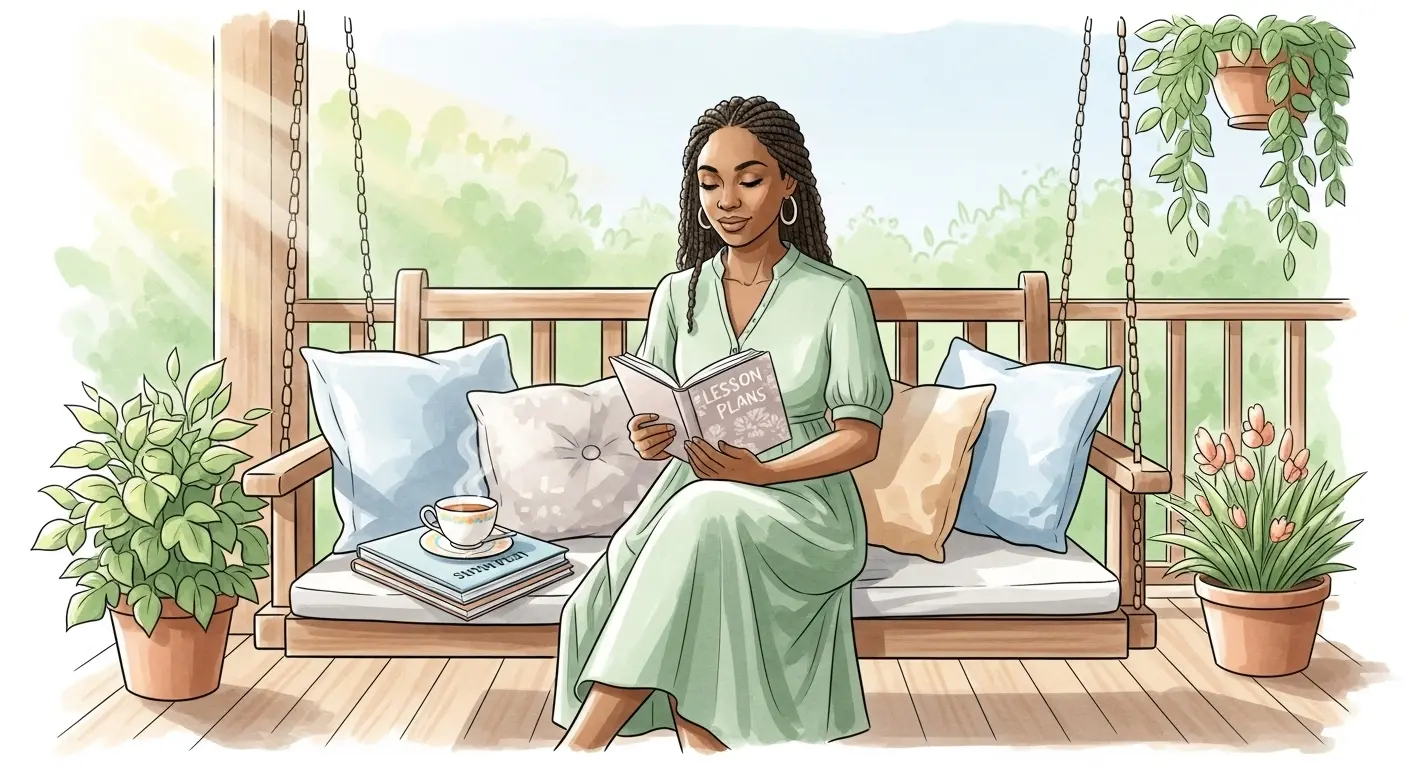
Finding Time for Yourself As a former language school director juggling teachers, students, families, and schedules, and as a mother of three children, I understand how easily teaching can spill into every corner of your life. Add lesson planning, grading, and professional development to the mix, and it feels like there’s barely a moment to […]

Modern neuroscience shows that true learning happens when we teach with the brain, not against it. This article explores how visual, social, and emotional factors influence memory and understanding — and how teachers can create classrooms that align with how the brain naturally learns.
Discover how to organize, plan, and collaborate efficiently using Google Workspace tools tailored for teachers.

Turn lesson plans into real learning experiences with strategies that make planning practical and purposeful.

Reflect on what it means to lead with purpose — in your classroom, school, and beyond.
Privacy Policy | Cookies Policy | Terms of Use