
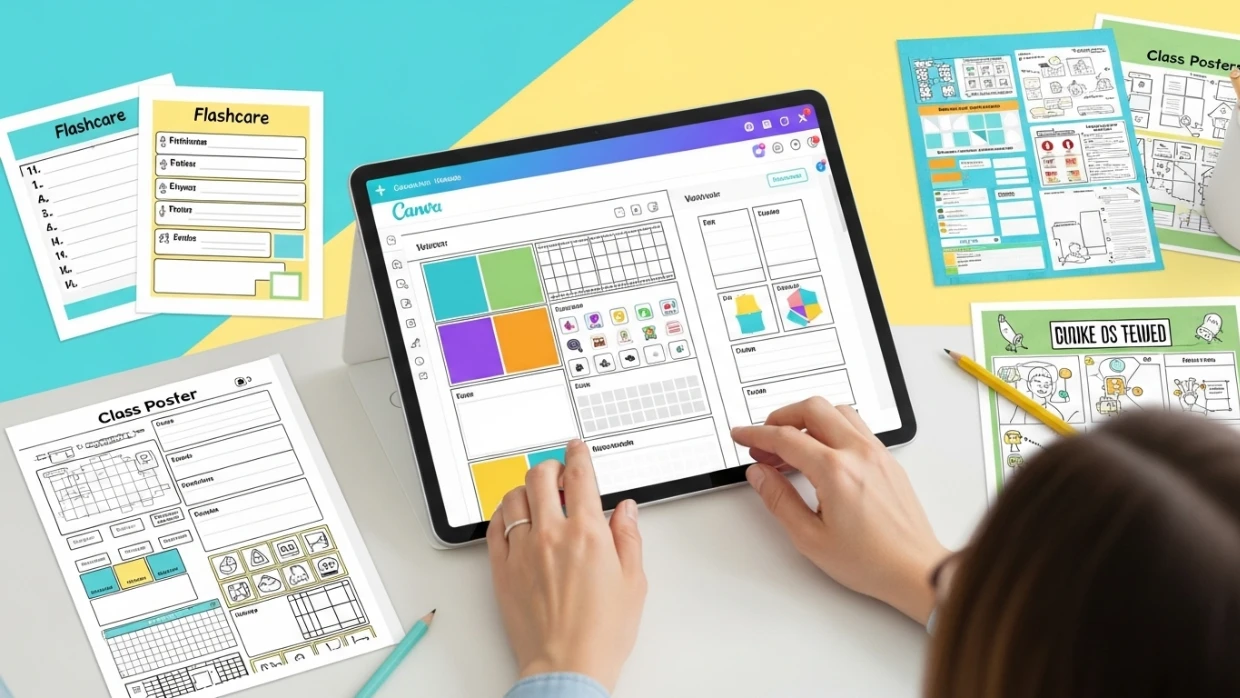
Learn how to use Canva to create beautiful, time-saving classroom materials that captivate students and simplify lesson prep.

Turn your classroom into a game-based environment where students learn with purpose, fun, and collaboration.
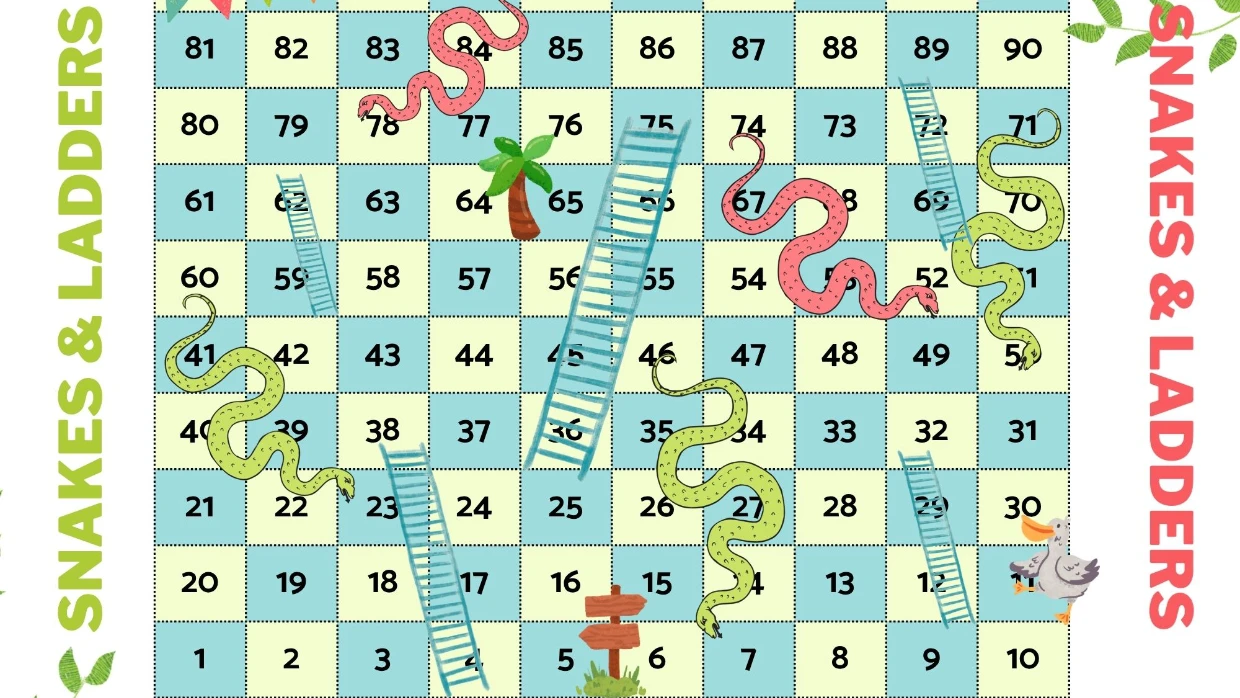
Have you ever noticed how children can spend hours focused on a game — remembering every rule, every level, every tiny detail — yet struggle to remember yesterday’s grammar rule? That’s because games tap into something essential: emotion, challenge, and reward.
The first time I used gamification in my English class, it was almost by accident. We were reviewing irregular verbs, and my students were visibly bored. On the spot, I divided them into two teams, turned the board into a “Verb Battle,” and started giving them challenges. The energy in the room shifted instantly — they were shouting, laughing, negotiating points… and, without realising it, learning.
That day I understood: when learning feels like a game, motivation is natural.
Gamification isn’t about playing games all the time. It’s about using game mechanics — points, challenges, levels, rewards, and collaboration — to make learning more engaging and meaningful.
It transforms the classroom dynamic from “I have to learn this” to “I want to beat this challenge.”
When done right, it triggers the same dopamine-based reward system in the brain that video games do — keeping attention high and effort consistent.
You don’t need digital tools or complex systems to gamify your teaching. Small, consistent changes can make a big impact.
a) Points & Levels
Let students earn points for effort, teamwork, or creativity. Once they reach a certain number, they “level up.”
Tip: Focus on progress, not perfection — everyone should feel capable of advancing.
b) Badges & Challenges
Design small badges for specific achievements: “Grammar Hero,” “Team Player,” “Creative Thinker.”
I used to hand them out physically on paper cards — my students collected them like treasures!
c) Storylines & Missions
Wrap your lesson in a simple narrative:
d) Collaboration Over Competition
Gamification isn’t about winners and losers — it’s about collective energy. Use team goals where everyone contributes to unlock the next “level.”
Each of these activities transformed my classroom atmosphere — students were motivated, engaged, and learning without fear of mistakes.
Gamification works because it gives students what their brains crave:
And when emotions are positive, the brain retains information longer and builds stronger neural connections.
Gamification is not a distraction from learning — it’s a bridge to it.
When we turn lessons into playful experiences, we invite curiosity, resilience, and collaboration into the classroom. I no longer think of games as a “reward” for finishing work — they are the work, because they teach students to think, try, and grow with joy.
After all, the real victory is not winning the game — it’s watching every student want to play again.
Learn how to use Canva to create beautiful, time-saving classroom materials that captivate students and simplify lesson prep.
Daily habits and reflections that help you recharge and stay inspired as an educator.
Simple tools to stay calm and grounded even on the toughest teaching days.

Finding Time for Yourself As a former language school director juggling teachers, students, families, and schedules, and as a mother of three children, I understand how easily teaching can spill into every corner of your life. Add lesson planning, grading, and professional development to the mix, and it feels like there’s barely a moment to […]

Modern neuroscience shows that true learning happens when we teach with the brain, not against it. This article explores how visual, social, and emotional factors influence memory and understanding — and how teachers can create classrooms that align with how the brain naturally learns.
Discover how to organize, plan, and collaborate efficiently using Google Workspace tools tailored for teachers.

Turn lesson plans into real learning experiences with strategies that make planning practical and purposeful.

Reflect on what it means to lead with purpose — in your classroom, school, and beyond.

Privacy Policy | Cookies Policy | Terms of Use