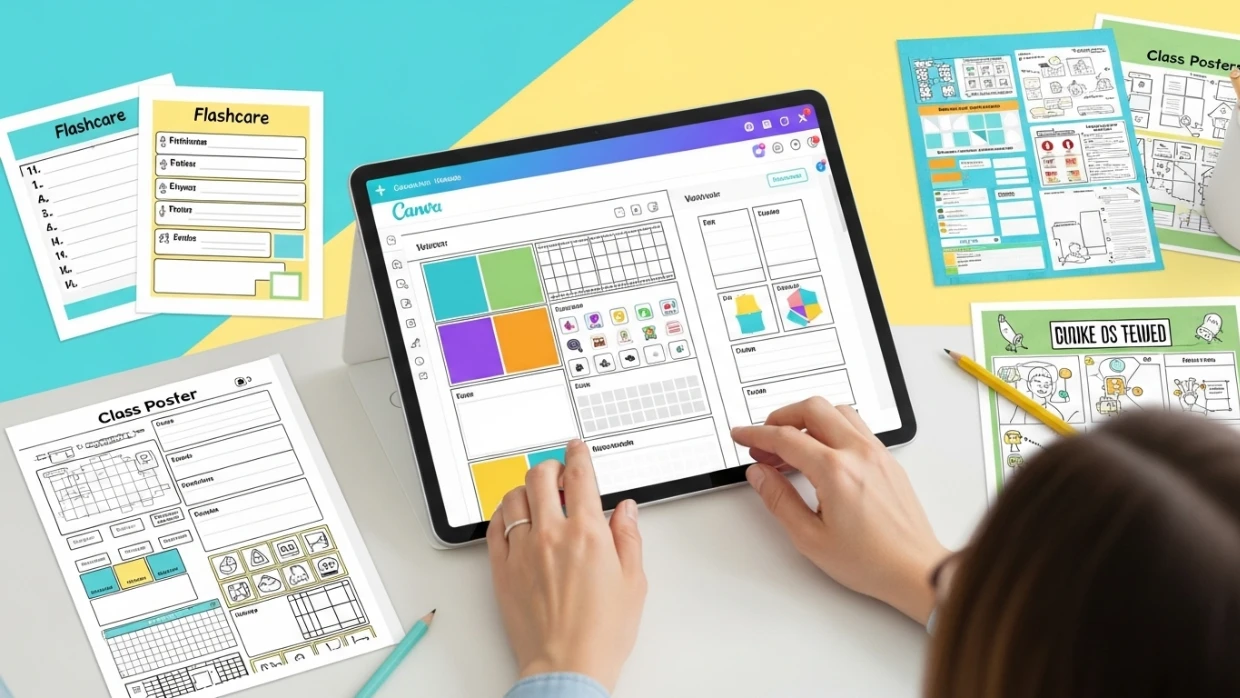
Learn how to use Canva to create beautiful, time-saving classroom materials that captivate students and simplify lesson prep.

Shift from lecturing to engaging — simple strategies to make every lesson interactive and student-centered.
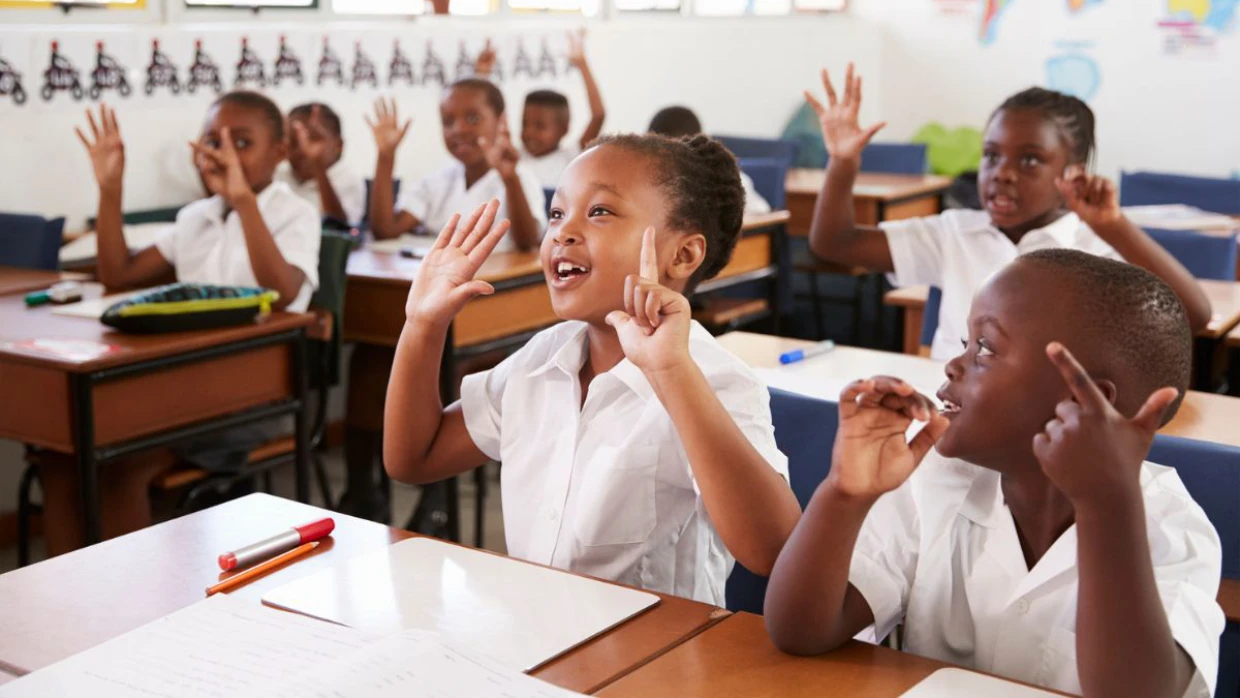
Imagine standing in front of a classroom, passionately explaining a topic, only to see blank stares, restless fidgeting, or students lost in their own thoughts. I’ve been there too. It can be discouraging when our carefully planned lessons don’t seem to connect. But what if the issue isn’t the content, but the approach?
Active learning shifts the focus from the teacher to the student. Instead of being passive listeners, students become active participants in their learning journey. By engaging with the material, discussing it, and applying concepts in real time, students retain information better and develop critical thinking skills.
Here are some active learning strategies that have transformed my classroom:
This simple strategy encourages all students to participate. Pose a question, give students a minute to think individually, then pair them up to discuss their ideas. Finally, invite pairs to share their thoughts with the class.
Example: When introducing a new topic, I ask, “What do you already know about this?” Students reflect silently, discuss with a partner, and then we compile their ideas as a class. This not only activates prior knowledge but also builds confidence.
Transform your classroom into an interactive gallery. Display different questions, problems, or topics on posters around the room. Students move in groups, discussing and writing their responses at each station.
Example: For a science lesson on ecosystems, you can create posters with questions like “What would happen if one species disappeared?” Students rotate, discuss, and leave their insights, creating a dynamic, collaborative environment.
Role-playing helps students step into different perspectives, making abstract concepts more relatable.
Example: In a history lesson, you can assign roles for a mock debate on historical events. Students had to argue from the viewpoint of historical figures, which deepened their understanding of motivations and consequences.
Present students with real-world problems to solve. This method fosters critical thinking, teamwork, and creativity.
Example: I challenged my students to design a plan to reduce plastic waste at home. They researched, brainstormed solutions, and presented actionable plans. This not only engaged them but showed how their learning can impact the real world.
At the end of a lesson, ask students to write a quick response to a reflective question, like “What did you learn today?” or “What question do you still have?” This provides immediate feedback on student understanding.
Example: After a math lesson, you can ask, “What was the trickiest part of today’s topic?” Their responses help you adjust future lessons to address specific challenges.
Active learning transforms the classroom from a place where information is delivered to one where it is discovered. By incorporating these strategies, I’ve seen students become more engaged, motivated, and confident in their learning. Remember, it’s not about doing more; it’s about doing differently. Let your classroom be a space where curiosity thrives and learning comes alive.
Learn how to use Canva to create beautiful, time-saving classroom materials that captivate students and simplify lesson prep.
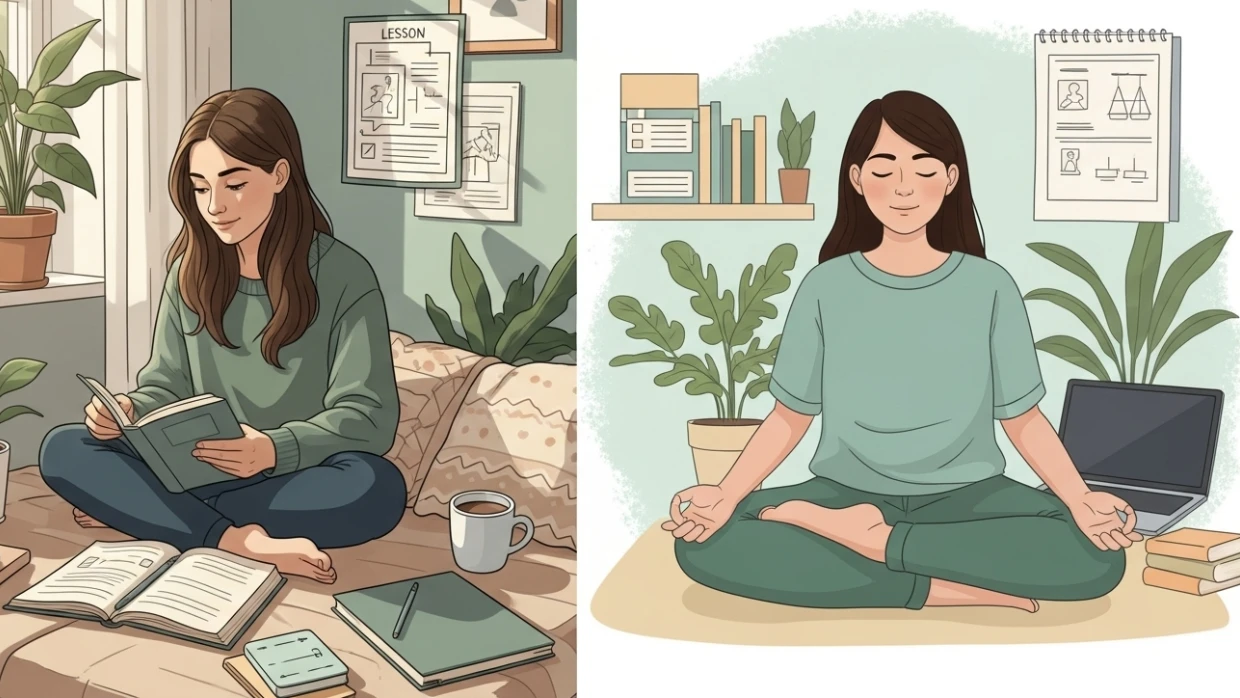
Daily habits and reflections that help you recharge and stay inspired as an educator.
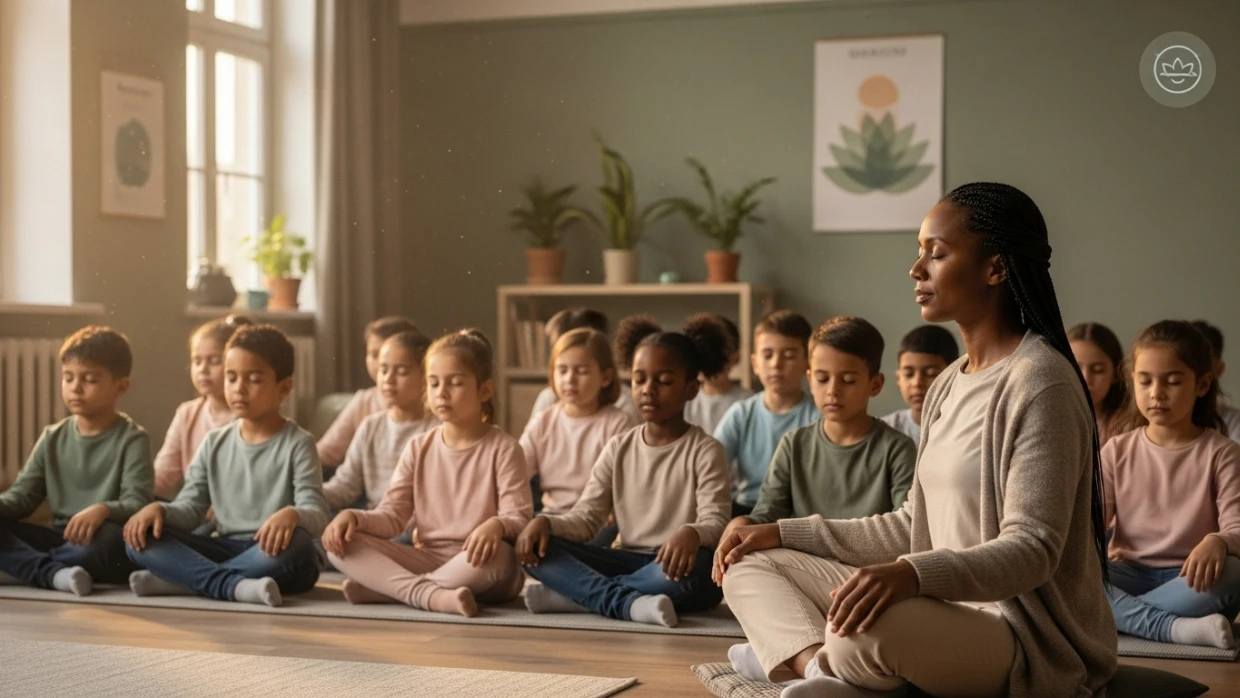
Simple tools to stay calm and grounded even on the toughest teaching days.
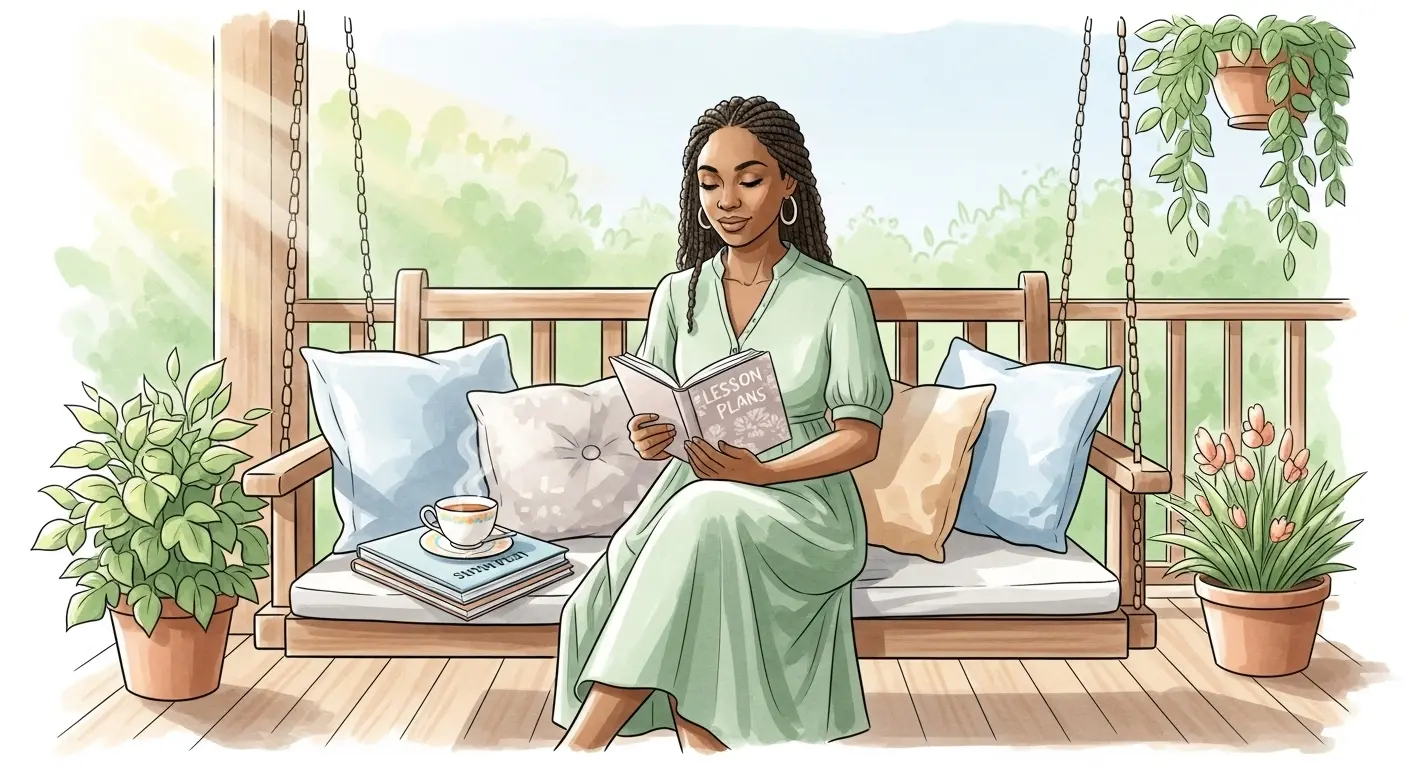
Finding Time for Yourself As a former language school director juggling teachers, students, families, and schedules, and as a mother of three children, I understand how easily teaching can spill into every corner of your life. Add lesson planning, grading, and professional development to the mix, and it feels like there’s barely a moment to […]

Modern neuroscience shows that true learning happens when we teach with the brain, not against it. This article explores how visual, social, and emotional factors influence memory and understanding — and how teachers can create classrooms that align with how the brain naturally learns.
Discover how to organize, plan, and collaborate efficiently using Google Workspace tools tailored for teachers.

Turn lesson plans into real learning experiences with strategies that make planning practical and purposeful.
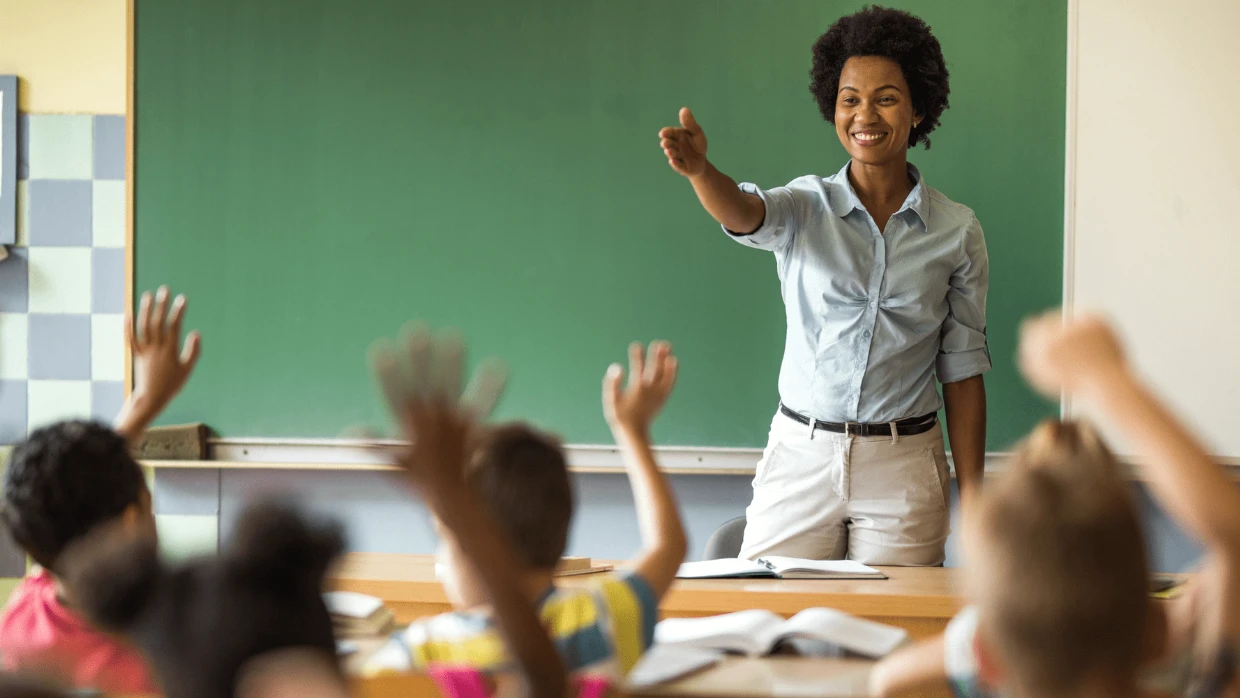
Reflect on what it means to lead with purpose — in your classroom, school, and beyond.
Privacy Policy | Cookies Policy | Terms of Use