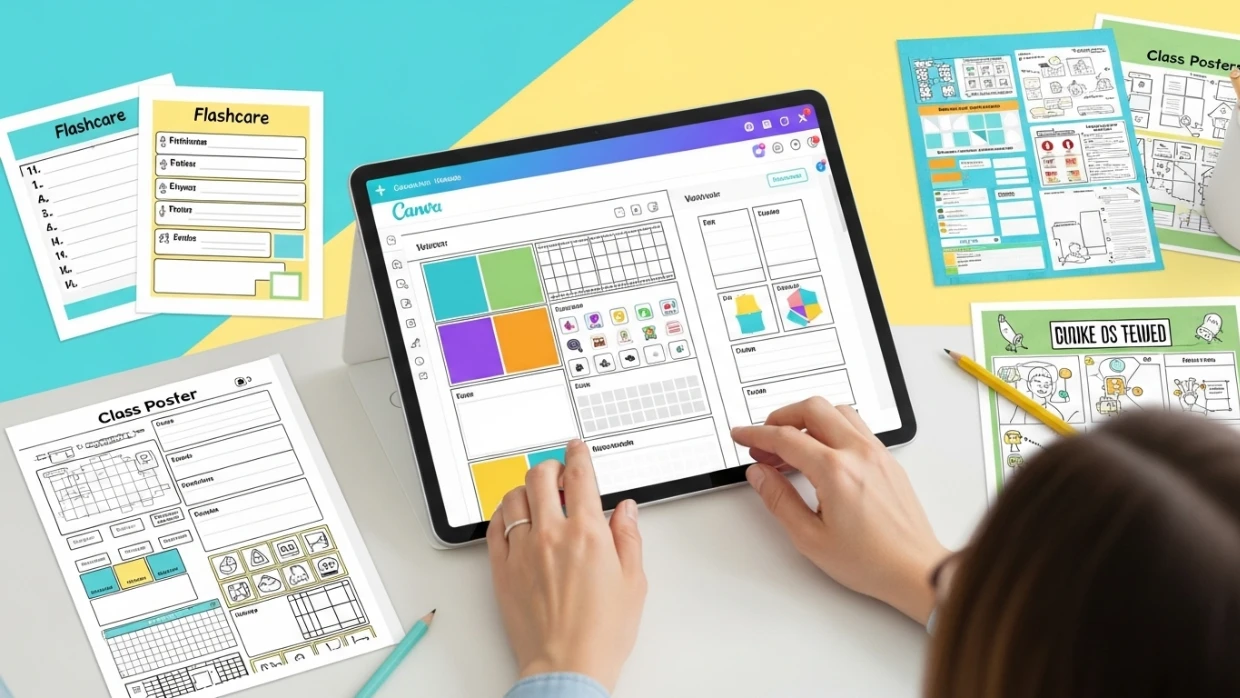
Learn how to use Canva to create beautiful, time-saving classroom materials that captivate students and simplify lesson prep.

Transform your classroom with cooperative learning strategies that build teamwork, confidence, and understanding.
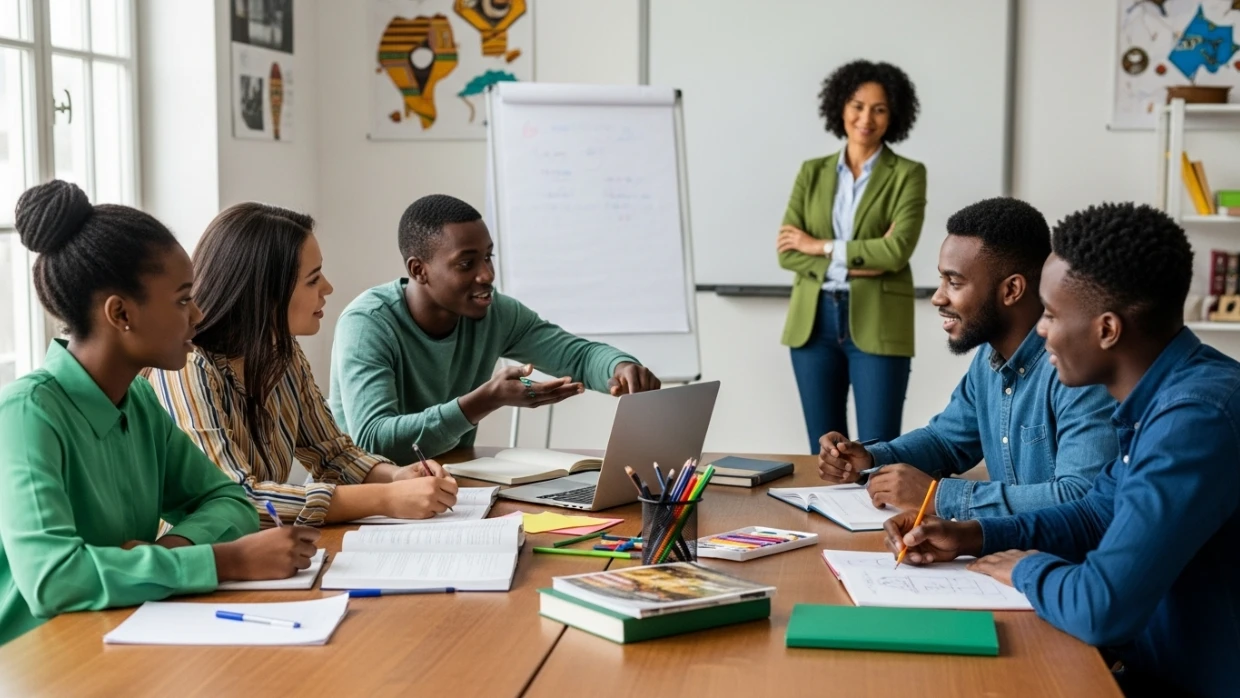
I still remember the first time I organized a group activity in my language class. I was excited, but the result was chaotic—students were off-task, some dominated the conversation, while others stayed silent. Over time, I learned that effective group work requires more than just putting students together. Here are strategies that have transformed my classroom, making collaboration both meaningful and productive.
Group work can become unfocused without clear objectives. Clearly articulate the purpose of the activity and what students should achieve. Assign specific roles such as facilitator, recorder, timekeeper, and presenter to ensure active participation. For example, during a vocabulary activity, I assign one student to define words, another to use them in sentences, and another to quiz the group.
Choose tasks that require genuine collaboration. Activities like problem-solving, project-based assignments, and peer teaching work well. In my classes, I often have students create dialogues in pairs or small groups, encouraging them to negotiate meaning and practice speaking authentically.
Don’t assume students know how to work effectively in groups. Teach them how to listen actively, share ideas respectfully, and manage conflicts. Model phrases like, “I see your point, but what if we try this…” or “Can you explain that idea again?” to guide constructive conversations.
Circulate around the room, observing and listening without taking over. Offer feedback when necessary to keep groups on track. If a group struggles, I pause the class briefly to address common challenges or provide tips for effective teamwork.
After group activities, take time to debrief. Ask students what worked, what didn’t, and how they can improve. This reflection helps students develop metacognitive skills and understand the value of collaboration beyond the classroom.
In a recent lesson on persuasive writing, I assigned students to groups to create short advertisements for local products. Each group had to plan, write, and perform their ad. By assigning roles (writer, designer, presenter), every student contributed, and the task became both engaging and educational.
Group work can be a powerful tool for learning when structured thoughtfully. By setting clear goals, teaching collaboration skills, and providing opportunities for reflection, teachers can create dynamic classrooms where students learn from and with each other.
Learn how to use Canva to create beautiful, time-saving classroom materials that captivate students and simplify lesson prep.
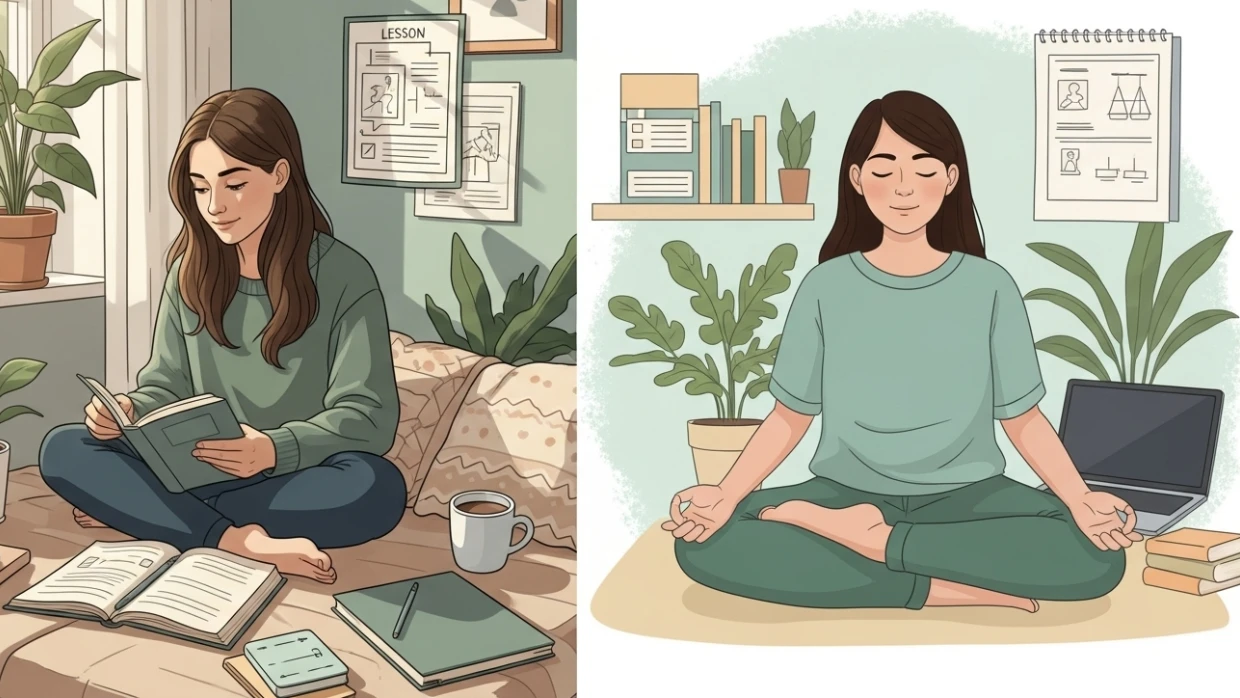
Daily habits and reflections that help you recharge and stay inspired as an educator.
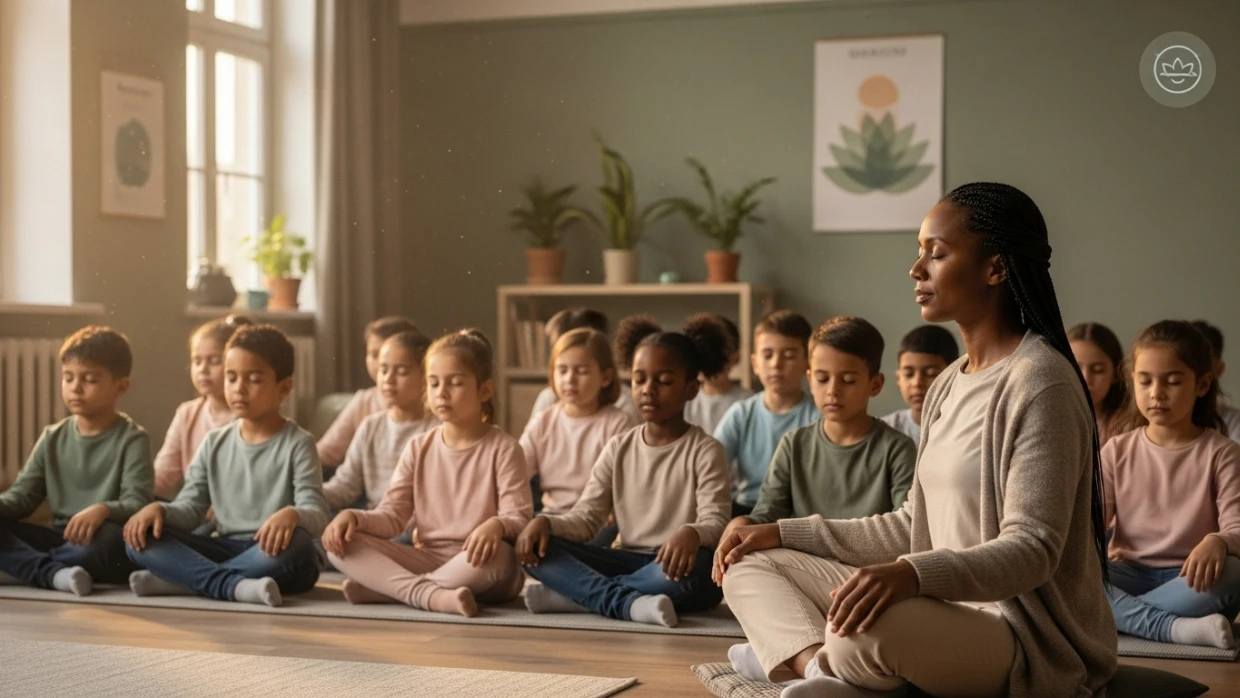
Simple tools to stay calm and grounded even on the toughest teaching days.
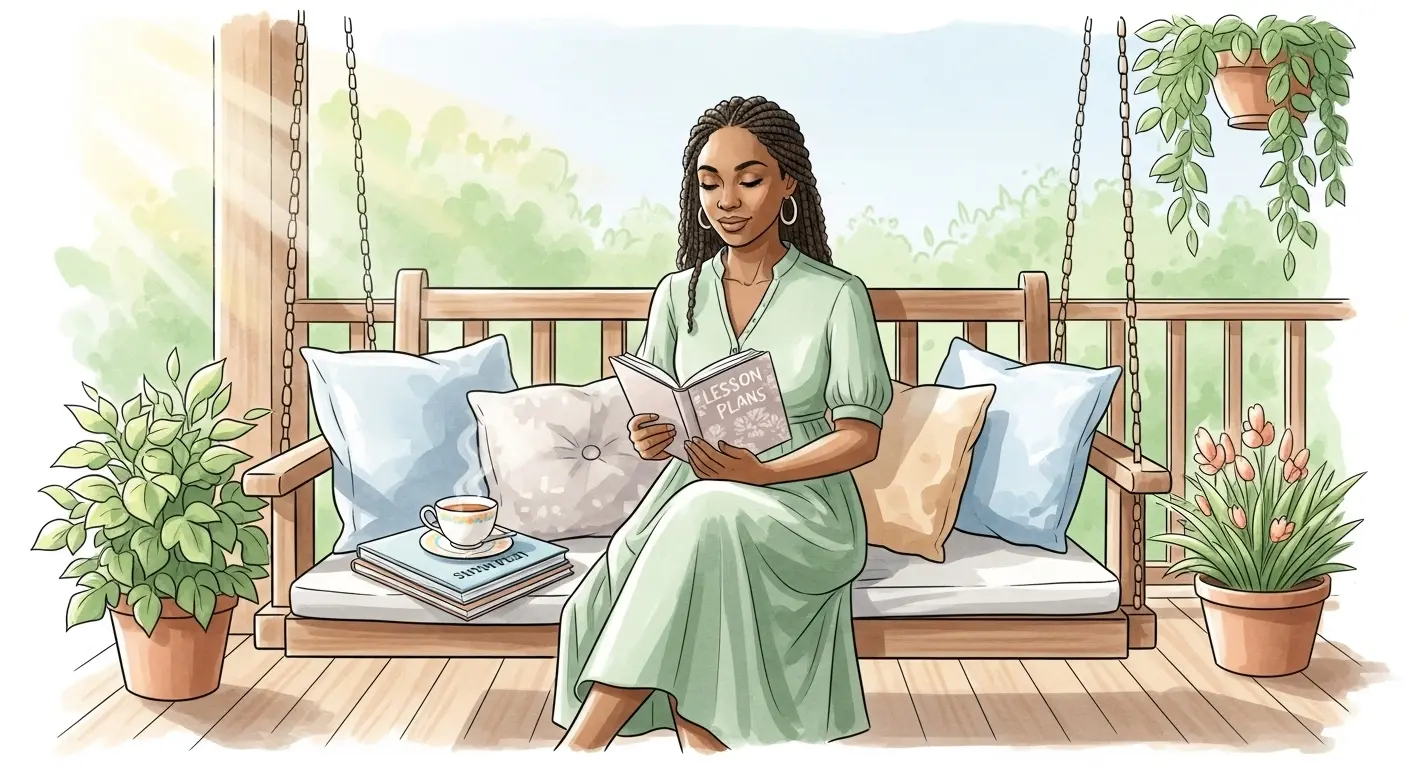
Finding Time for Yourself As a former language school director juggling teachers, students, families, and schedules, and as a mother of three children, I understand how easily teaching can spill into every corner of your life. Add lesson planning, grading, and professional development to the mix, and it feels like there’s barely a moment to […]

Modern neuroscience shows that true learning happens when we teach with the brain, not against it. This article explores how visual, social, and emotional factors influence memory and understanding — and how teachers can create classrooms that align with how the brain naturally learns.
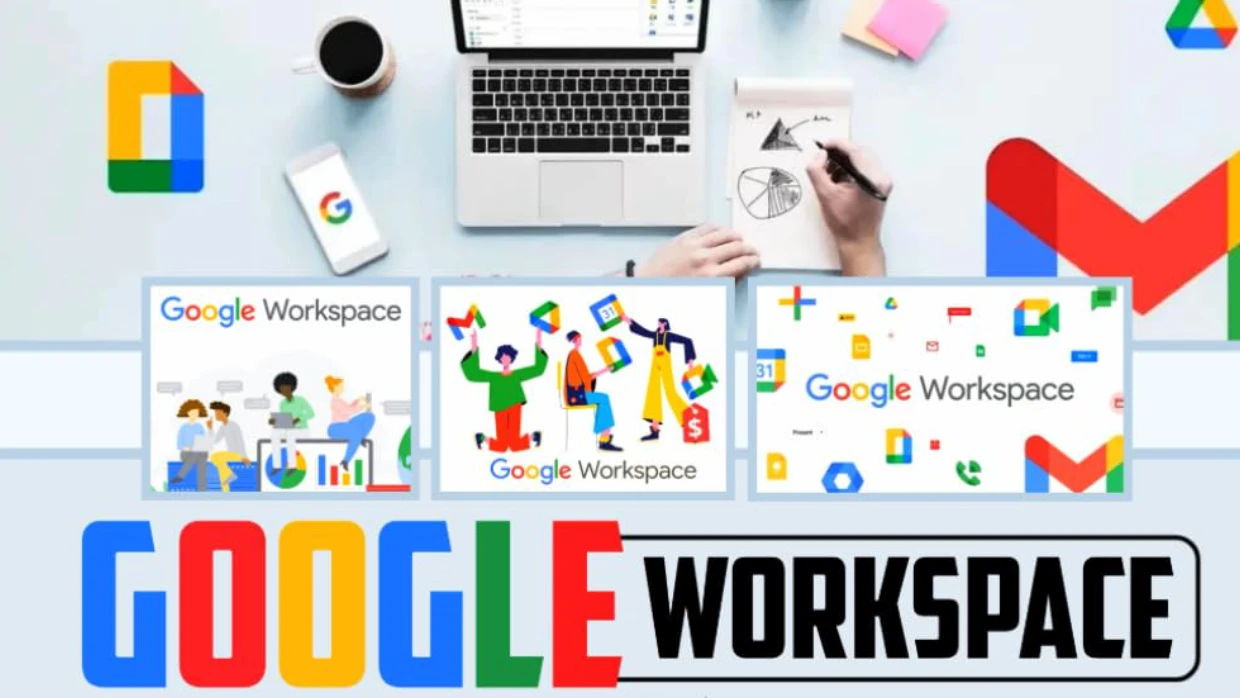
Discover how to organize, plan, and collaborate efficiently using Google Workspace tools tailored for teachers.

Turn lesson plans into real learning experiences with strategies that make planning practical and purposeful.
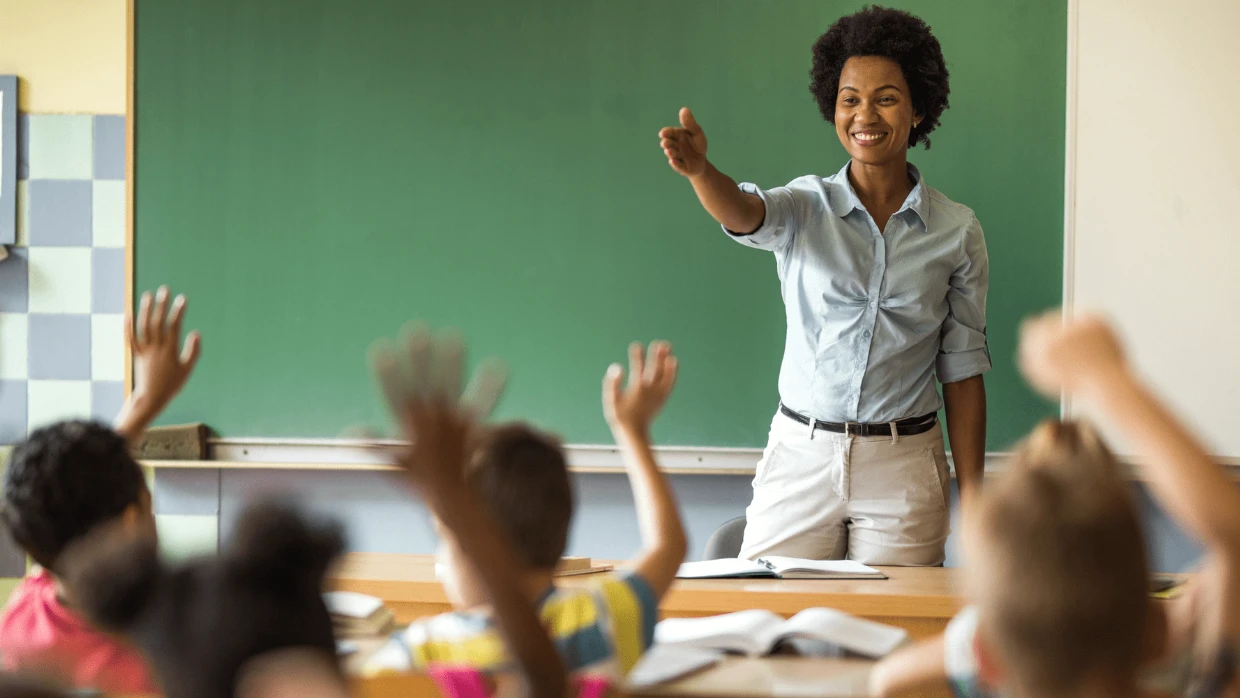
Reflect on what it means to lead with purpose — in your classroom, school, and beyond.
Privacy Policy | Cookies Policy | Terms of Use