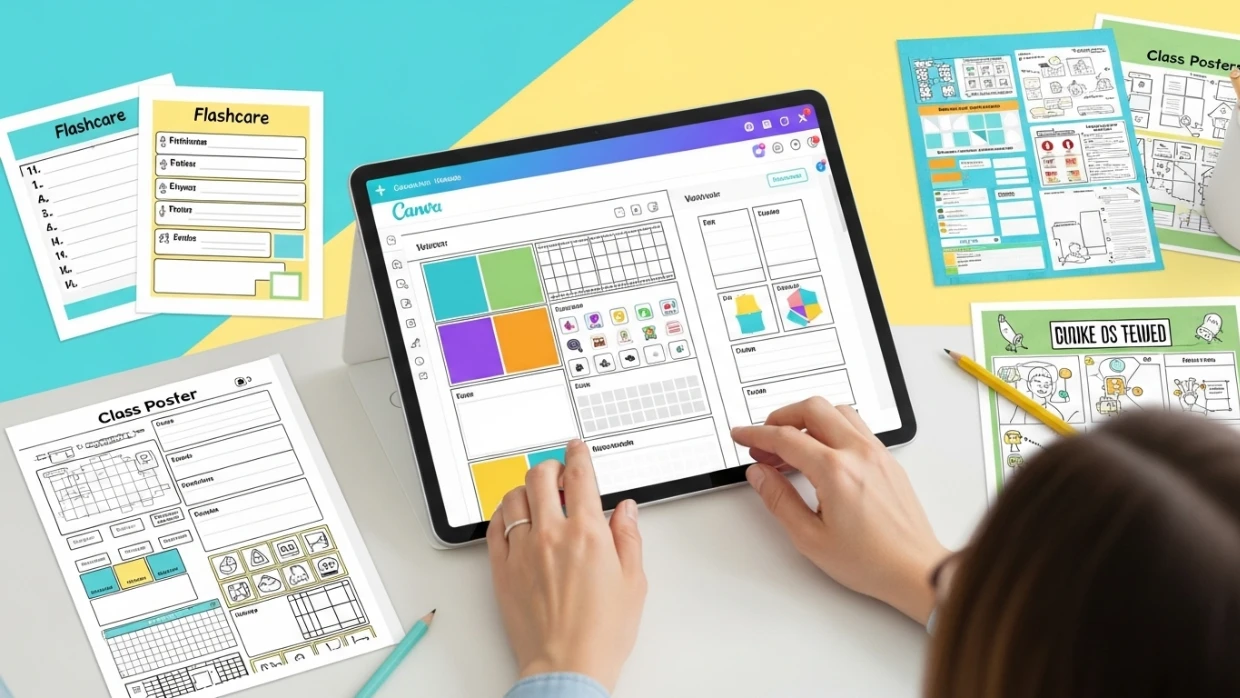
Learn how to use Canva to create beautiful, time-saving classroom materials that captivate students and simplify lesson prep.

Discover how hands-on activities turn abstract concepts into meaningful, memorable learning.
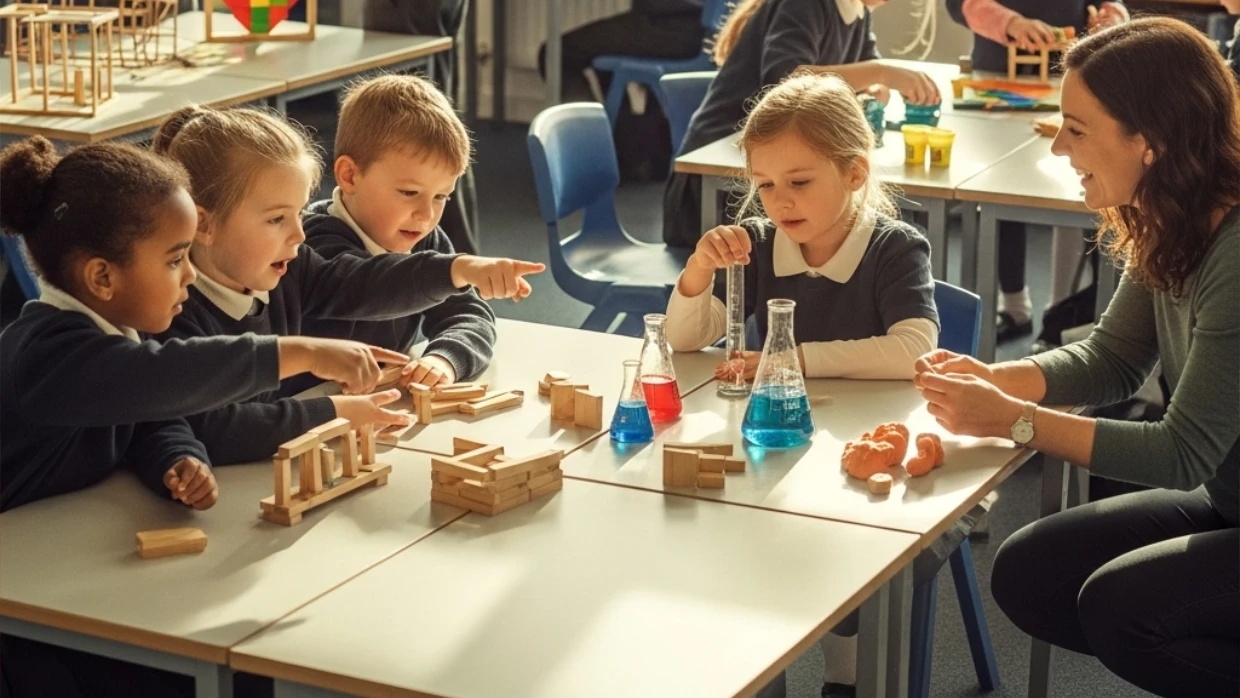
When I first started teaching Spanish at the University of Salford, I realized that traditional lecture methods often left students passive and disengaged. It wasn’t until I incorporated hands-on activities that I saw a significant shift in their enthusiasm and participation. Hands-on learning is a powerful approach that benefits students of all ages by making learning active, meaningful, and memorable.
Hands-on learning engages multiple senses, helping students process and retain information more effectively. It transforms abstract concepts into tangible experiences. For example, when teaching vocabulary related to food, instead of just listing words, I organized a role-play activity where students “visited” a mock restaurant, ordered food, and practiced real-life dialogues.
In language classes, hands-on activities can make grammar and vocabulary lessons more dynamic. Some activities I’ve found effective include:
PBL encourages students to explore topics deeply through projects that require research, collaboration, and presentation. When teaching adolescents, I assigned projects like creating travel brochures for Spanish-speaking countries. Students designed layouts, wrote descriptions, and presented their work, integrating language skills with creativity.
Movement-based activities can enhance focus and energy levels, especially for younger learners. Activities like:
Simulating real-life situations helps students apply what they’ve learned in practical contexts. For adults learning Spanish, I created scenarios like ‘booking a hotel room’ or ‘asking for directions,’ which made lessons more relevant and engaging.
Creative activities can enhance learning, especially in younger classrooms. When I taught primary school in the UK, I integrated simple crafts to reinforce language concepts, such as making weather wheels to practice weather-related vocabulary.
In one of my university classes, I organized a “Cultural Fair” where students prepared booths representing different Spanish-speaking countries. They created posters, shared traditional foods, and gave short presentations in Spanish. The hands-on nature of the activity made the learning process fun, immersive, and unforgettable.
Hands-on learning fosters curiosity, critical thinking, and collaboration. Whether through projects, role-plays, or creative activities, incorporating active learning strategies can transform your classroom into an engaging, dynamic space where students don’t just learn—they experience.
Learn how to use Canva to create beautiful, time-saving classroom materials that captivate students and simplify lesson prep.
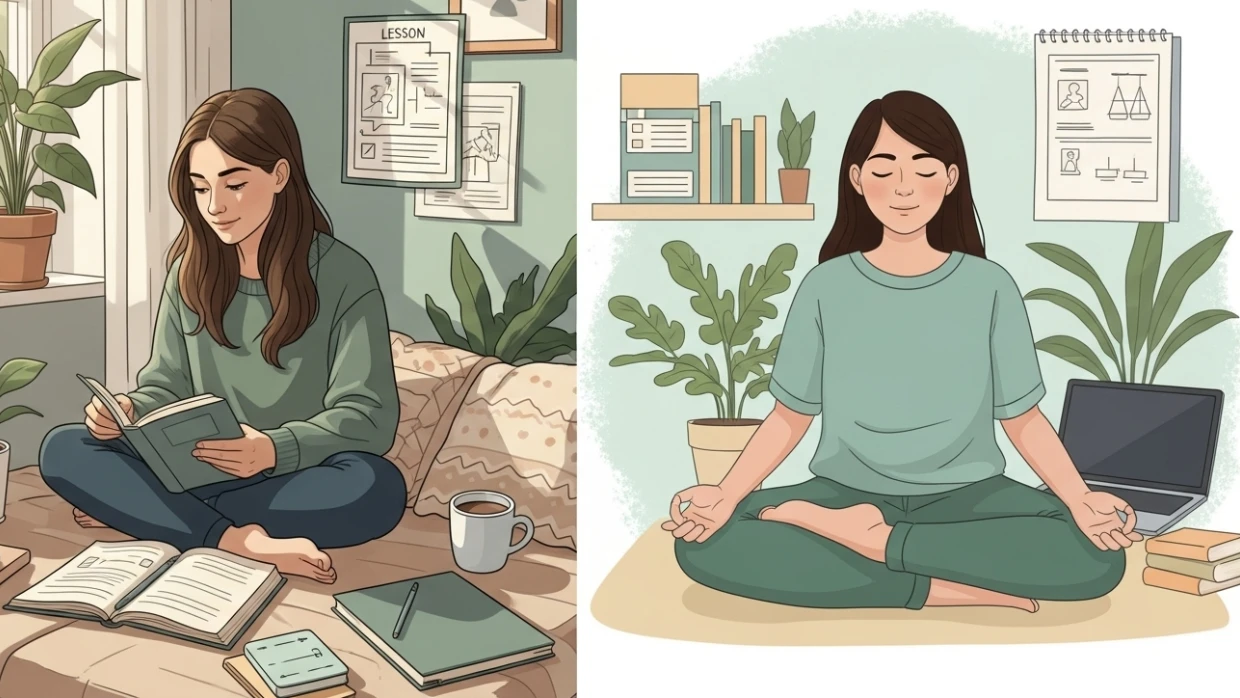
Daily habits and reflections that help you recharge and stay inspired as an educator.
Simple tools to stay calm and grounded even on the toughest teaching days.
Finding Time for Yourself As a former language school director juggling teachers, students, families, and schedules, and as a mother of three children, I understand how easily teaching can spill into every corner of your life. Add lesson planning, grading, and professional development to the mix, and it feels like there’s barely a moment to […]
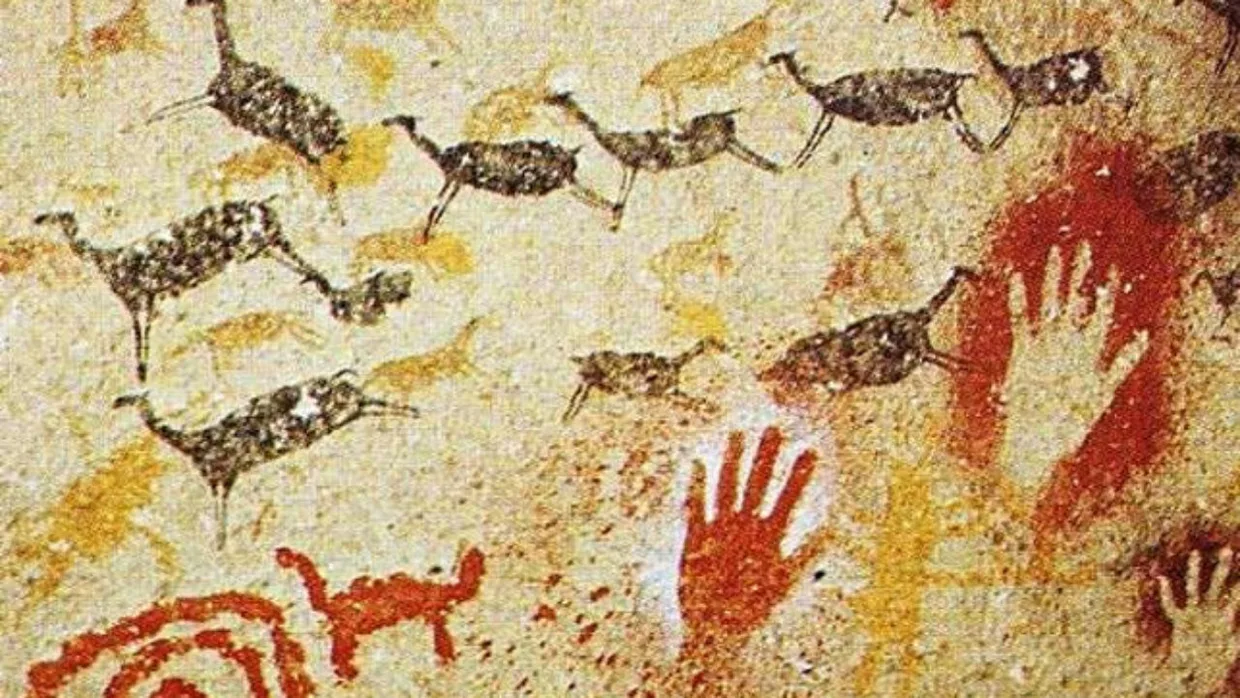
Modern neuroscience shows that true learning happens when we teach with the brain, not against it. This article explores how visual, social, and emotional factors influence memory and understanding — and how teachers can create classrooms that align with how the brain naturally learns.
Discover how to organize, plan, and collaborate efficiently using Google Workspace tools tailored for teachers.

Turn lesson plans into real learning experiences with strategies that make planning practical and purposeful.
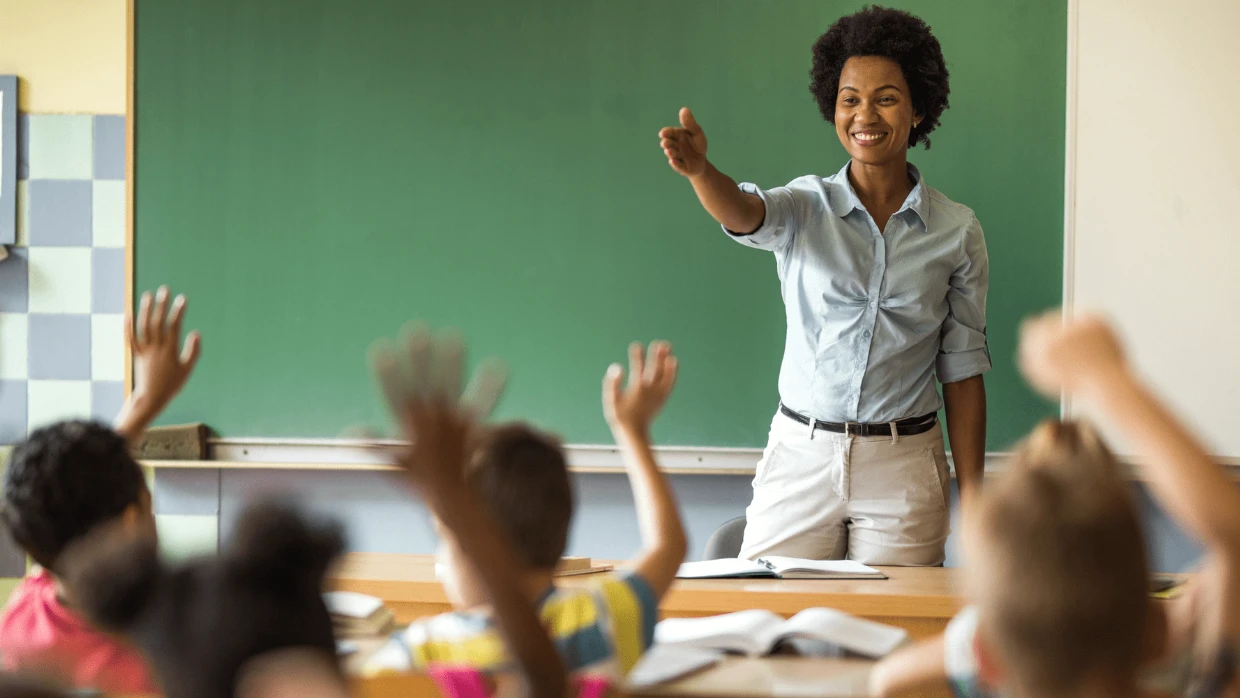
Reflect on what it means to lead with purpose — in your classroom, school, and beyond.
Privacy Policy | Cookies Policy | Terms of Use