Learn how to use Canva to create beautiful, time-saving classroom materials that captivate students and simplify lesson prep.
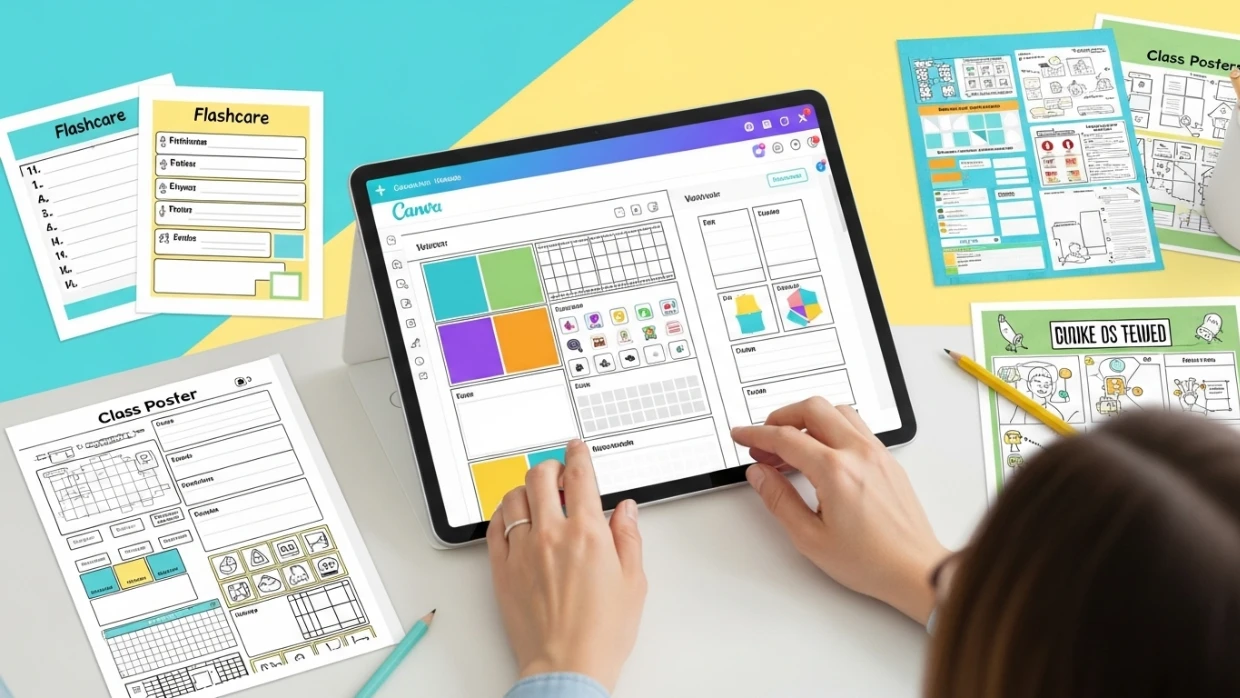

Discover how to transform ordinary lessons into playful experiences that spark motivation and joy.
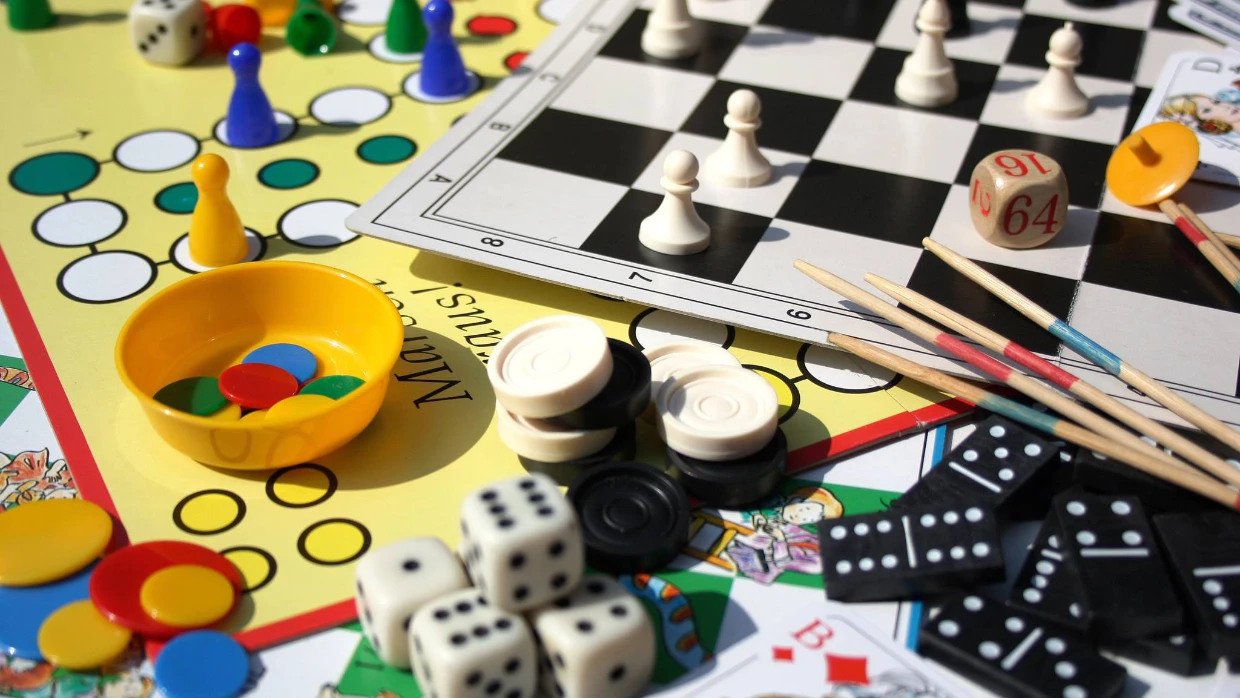
I’ve always believed that learning should be joyful. Some of my best classroom moments happened when we were laughing, playing, or simply having fun together. I still remember one particular English lesson about adjectives — what could have been a boring grammar exercise turned into a lively “Taboo” game. Suddenly, my students were desperate to speak English — not because I asked them to, but because they wanted to win. That day reminded me that games are not a break from learning; they are learning itself.
Over the years, I’ve explored many ways to integrate games into my lessons. Here are a few techniques that have worked consistently well, both in English and Spanish classes.
Revision lessons don’t have to be dull. Instead of worksheets, try transforming review sessions into team challenges.
Technique: Create a “Jeopardy” or “Quiz Show” board using slides or flashcards. Divide the class into groups and let them choose categories (Grammar, Vocabulary, Culture…).
Why it works: It turns repetition into excitement, encourages collaboration, and reinforces memory through competition and repetition.
Some of the most effective games are simple adaptations of games we all know.
Examples from my classroom:
Children learn better when they move. One of my favourites is a game I call “Word Hunt”: I hide word cards around the room and students must find and group them by category (adjectives, verbs, animals…). It’s fast, noisy, and full of language in action.
For older students, I use similar kinesthetic activities—like “Find someone who…” speaking tasks—to mix physical movement with communication.
Games don’t always have to involve cards or boards. Role-playing is one of the most powerful game-based techniques I use, especially for language teaching.
I often set up mini “real-life” scenarios: a restaurant, a travel agency, a news interview. Students take roles, improvise, and use the target language in authentic contexts. It feels like acting, but it’s structured learning.
Why it works: Role-play develops empathy, creativity, and spontaneous use of language—all key skills for communication.
Not every game fits into one lesson. You can build ongoing classroom games that reward effort and consistency over time.
For example, I once created a “Language League” where students earned points for participation, kindness, and improvement (not just correct answers). The scoreboard became a source of motivation, not stress—and even my shyest students started volunteering more often.
Games are not about losing time or filling gaps—they are powerful tools to build motivation, collaboration, and deeper understanding. When learning feels like play, students forget they are “studying” and start truly engaging.
If there’s one thing I’ve learned, it’s this: the best lessons are the ones your students can’t stop talking about—and classroom games have that magic.
Learn how to use Canva to create beautiful, time-saving classroom materials that captivate students and simplify lesson prep.
Daily habits and reflections that help you recharge and stay inspired as an educator.
Simple tools to stay calm and grounded even on the toughest teaching days.
Finding Time for Yourself As a former language school director juggling teachers, students, families, and schedules, and as a mother of three children, I understand how easily teaching can spill into every corner of your life. Add lesson planning, grading, and professional development to the mix, and it feels like there’s barely a moment to […]

Modern neuroscience shows that true learning happens when we teach with the brain, not against it. This article explores how visual, social, and emotional factors influence memory and understanding — and how teachers can create classrooms that align with how the brain naturally learns.
Discover how to organize, plan, and collaborate efficiently using Google Workspace tools tailored for teachers.
Turn lesson plans into real learning experiences with strategies that make planning practical and purposeful.
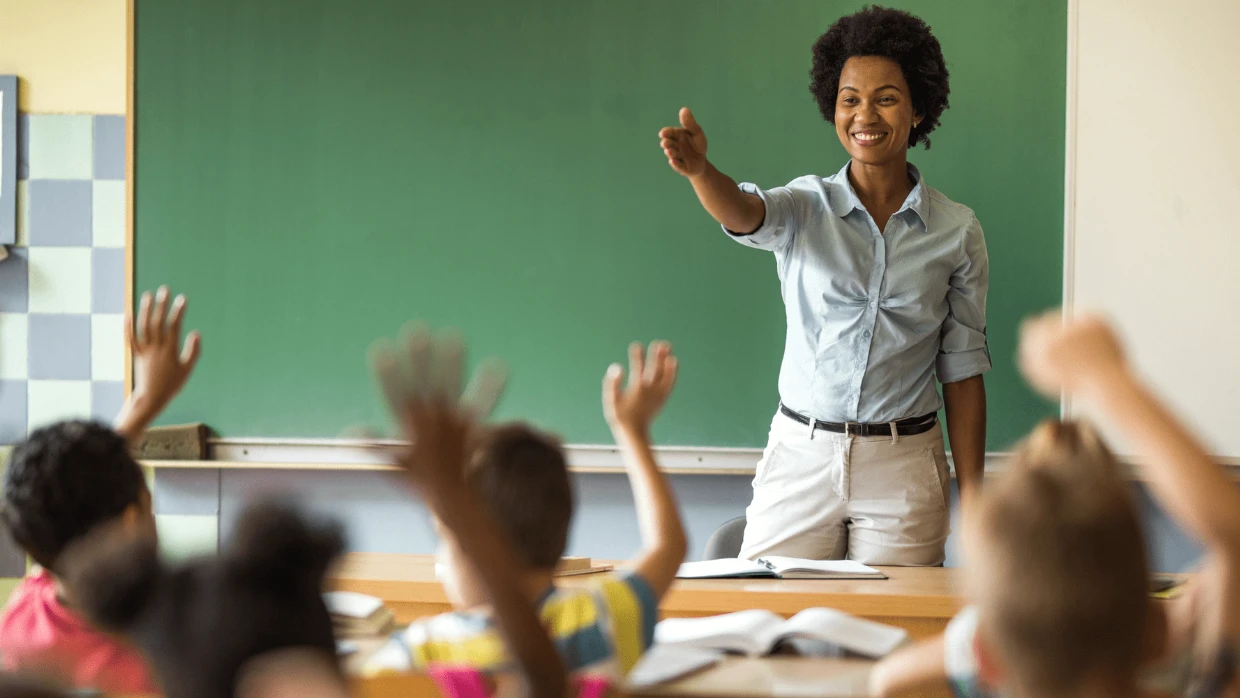
Reflect on what it means to lead with purpose — in your classroom, school, and beyond.
Privacy Policy | Cookies Policy | Terms of Use