
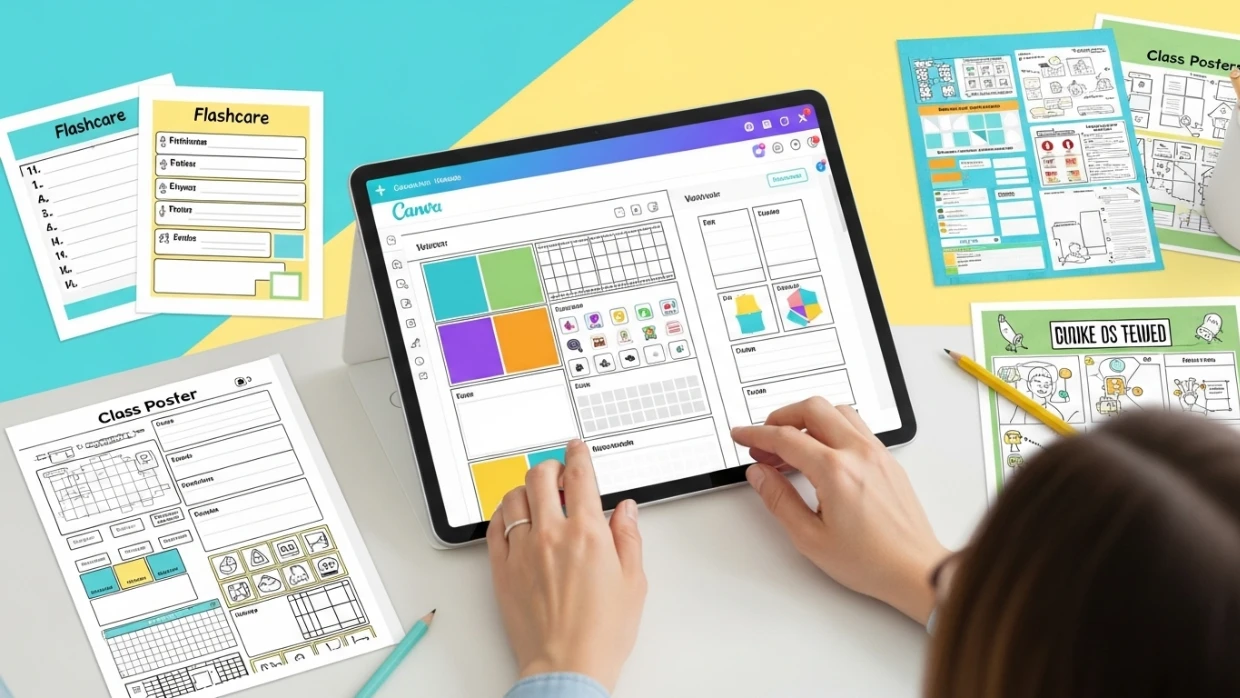
Learn how to use Canva to create beautiful, time-saving classroom materials that captivate students and simplify lesson prep.

Explore tried-and-tested games that bring energy, laughter, and real learning to any classroom.
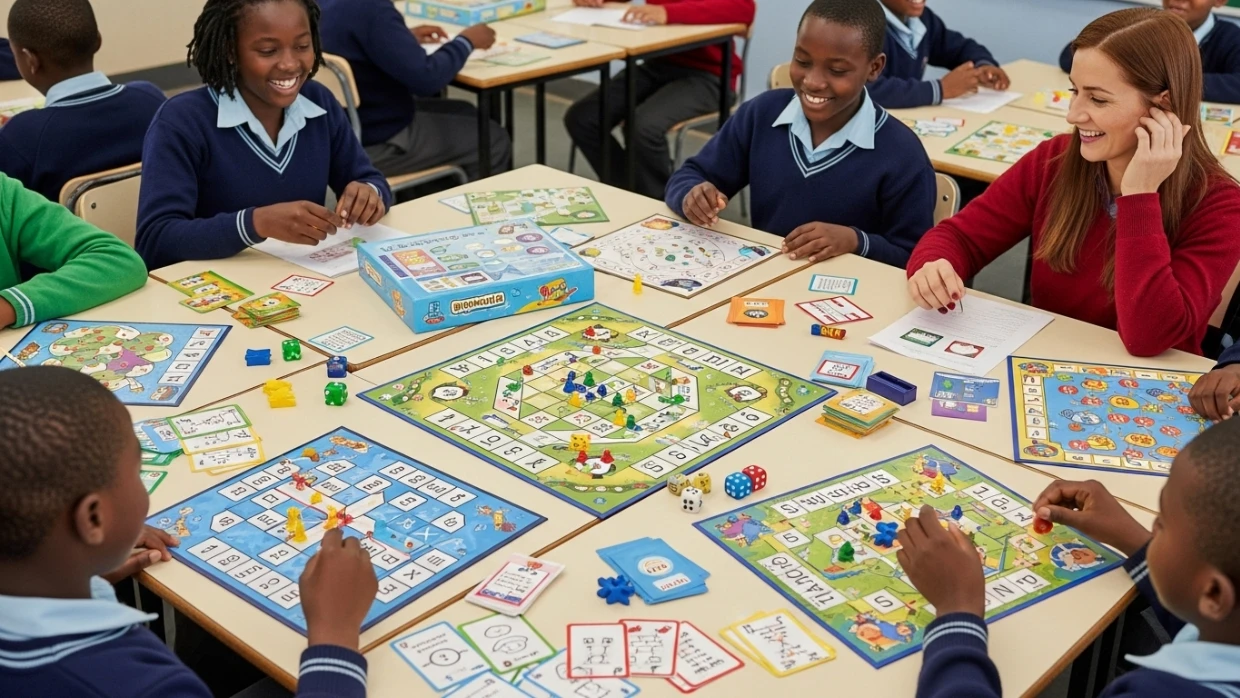
If there’s one thing I’ve learned after years of teaching, it’s this: when students are having fun, they’re learning deeply — even if they don’t realise it.
Games turn classrooms into spaces of creativity, laughter, and connection.
But not every game works equally well — some end in chaos, others in silence. Over time (and after a few experiments gone wrong!), I’ve found a handful of classroom games that always work — with any age, and almost any subject.
Here are my favourites.
How it works: Write several words from your current topic on sticky notes. One student sticks a note on their forehead without looking; the others give clues so they can guess the word.
Why it works:
Tip: Use it to revise before tests — laughter lowers stress and improves memory.
How it works: Place short sentences or a dialogue around the classroom walls.
In pairs, one student runs, reads, memorises, and returns to dictate it to their partner, who writes it down.
Why it works:
Variation: Do a “quiet” version for smaller classrooms — whisper dictation or hand signals!
How it works: Give students a grid with prompts like:
They must walk around asking questions until they find a match for each box.
Why it works:
Reflection: End by asking, “What did you discover about your classmates?”
How it works: Create a Jeopardy-style board on slides or paper. Categories can be Grammar, Vocabulary, Culture, or Fun Facts. Teams choose a question, answer, and earn points.
Why it works:
Pro tip: Let students create the questions — it deepens their understanding.
How it works: Use story cubes or picture cards. Students roll or pick 6 images, then create a story connecting them all.
Why it works:
Extension: Make it collaborative — each student adds one sentence to a group story.
How it works: Display 8–10 flashcards or objects. Students look for 10 seconds, then close their eyes while you remove one. They must say which one disappeared.
Why it works:
Games aren’t just “fun extras.” They’re powerful learning tools that build connection, confidence, and curiosity. Every time I see a quiet student start laughing during a game or a shy learner suddenly volunteering to participate, I’m reminded of something simple but profound:
“When learning feels like play, every child wants to join.”
Learn how to use Canva to create beautiful, time-saving classroom materials that captivate students and simplify lesson prep.
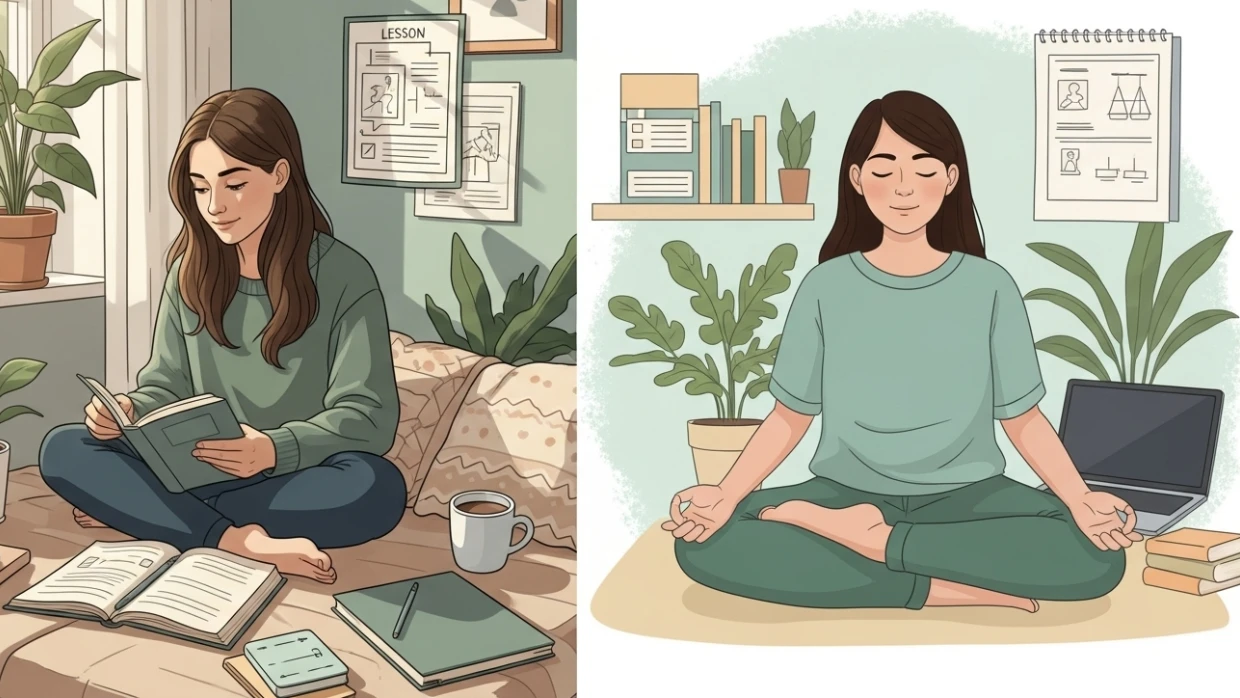
Daily habits and reflections that help you recharge and stay inspired as an educator.
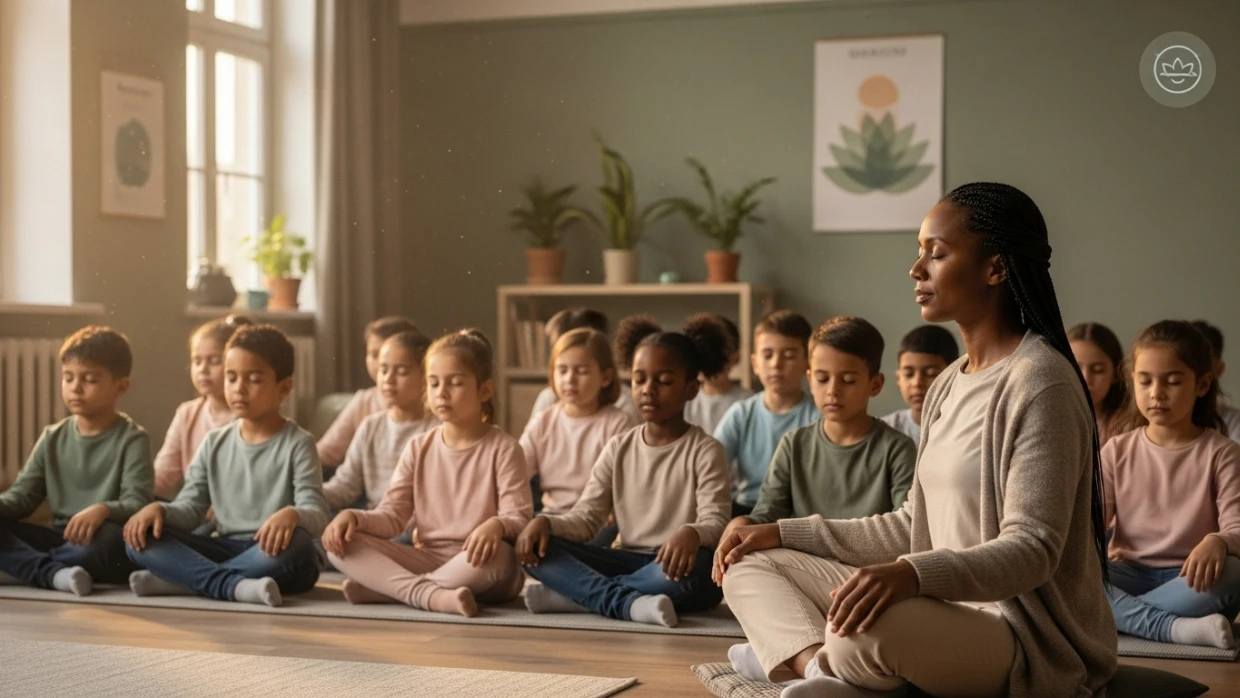
Simple tools to stay calm and grounded even on the toughest teaching days.
Finding Time for Yourself As a former language school director juggling teachers, students, families, and schedules, and as a mother of three children, I understand how easily teaching can spill into every corner of your life. Add lesson planning, grading, and professional development to the mix, and it feels like there’s barely a moment to […]
Modern neuroscience shows that true learning happens when we teach with the brain, not against it. This article explores how visual, social, and emotional factors influence memory and understanding — and how teachers can create classrooms that align with how the brain naturally learns.
Discover how to organize, plan, and collaborate efficiently using Google Workspace tools tailored for teachers.

Turn lesson plans into real learning experiences with strategies that make planning practical and purposeful.
Reflect on what it means to lead with purpose — in your classroom, school, and beyond.

Privacy Policy | Cookies Policy | Terms of Use