
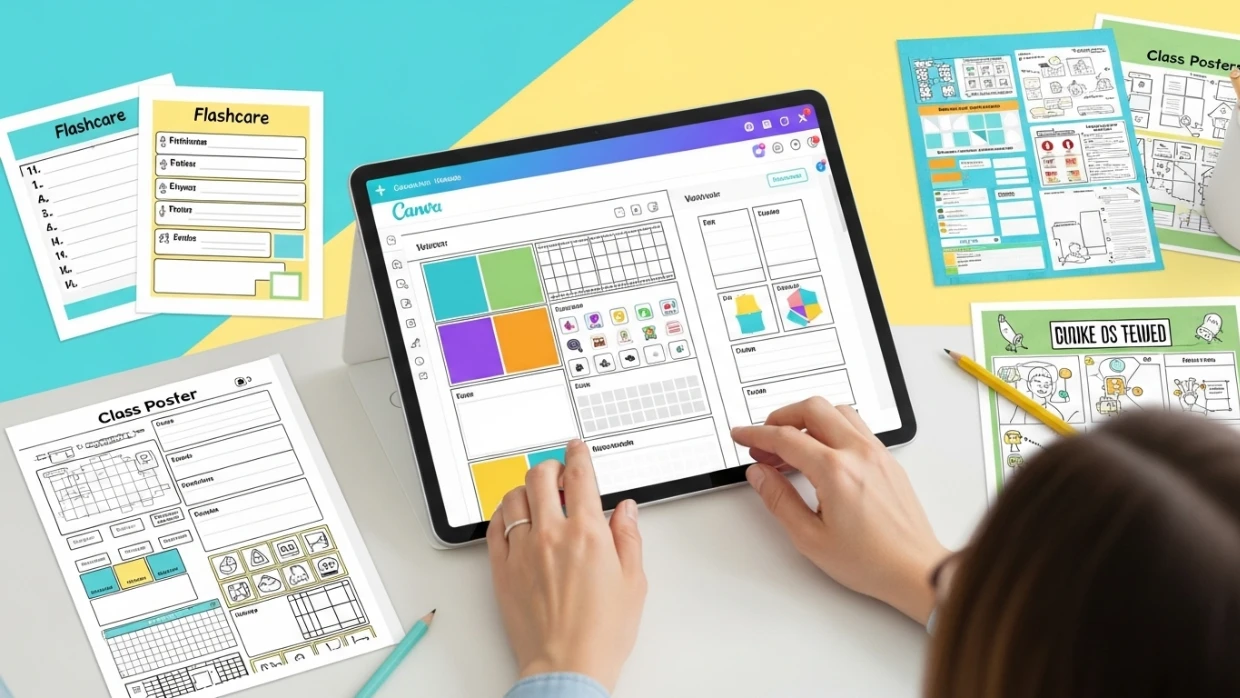
Learn how to use Canva to create beautiful, time-saving classroom materials that captivate students and simplify lesson prep.

Reflect on what it means to lead with purpose — in your classroom, school, and beyond.

During my years as a language school director, I discovered that effective leadership goes beyond managing schedules and content. It’s about inspiring a shared vision, fostering growth, and creating an environment where both teachers and students thrive. Here are key strategies that can help educational leaders make a meaningful impact.
When implementing a new language curriculum, I faced initial resistance from teachers accustomed to traditional methods. Instead of enforcing the changes abruptly, I organized collaborative planning sessions where teachers could adapt the curriculum based on their classroom experiences. This approach not only eased the transition but also strengthened our curriculum with practical insights from the ground.
Leadership in education isn’t about having all the answers; it’s about guiding, supporting, and growing alongside your team. By defining a clear vision, empowering others, making informed decisions, fostering collaboration, and embracing change, educational leaders can create lasting, positive impacts on both teachers and students.
Learn how to use Canva to create beautiful, time-saving classroom materials that captivate students and simplify lesson prep.
Daily habits and reflections that help you recharge and stay inspired as an educator.
Simple tools to stay calm and grounded even on the toughest teaching days.
Finding Time for Yourself As a former language school director juggling teachers, students, families, and schedules, and as a mother of three children, I understand how easily teaching can spill into every corner of your life. Add lesson planning, grading, and professional development to the mix, and it feels like there’s barely a moment to […]

Modern neuroscience shows that true learning happens when we teach with the brain, not against it. This article explores how visual, social, and emotional factors influence memory and understanding — and how teachers can create classrooms that align with how the brain naturally learns.
Discover how to organize, plan, and collaborate efficiently using Google Workspace tools tailored for teachers.

Turn lesson plans into real learning experiences with strategies that make planning practical and purposeful.
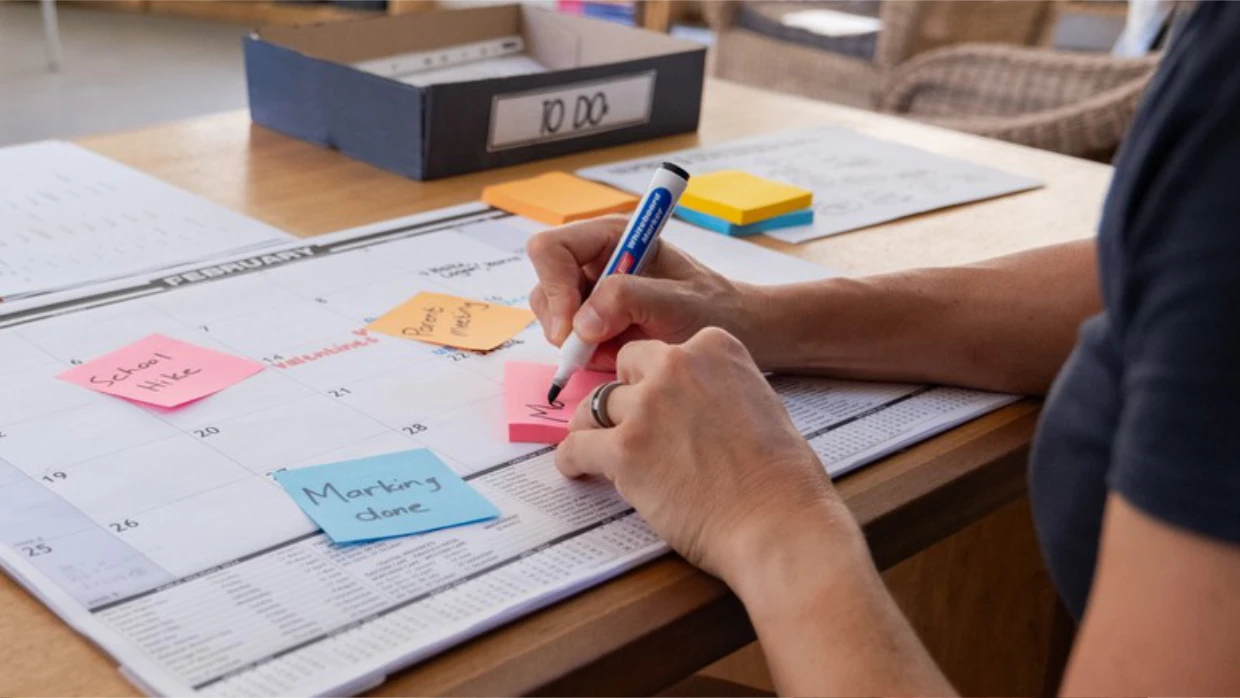
Learn how to design a coherent and flexible curriculum that supports progression, creativity, and active learning.

Privacy Policy | Cookies Policy | Terms of Use