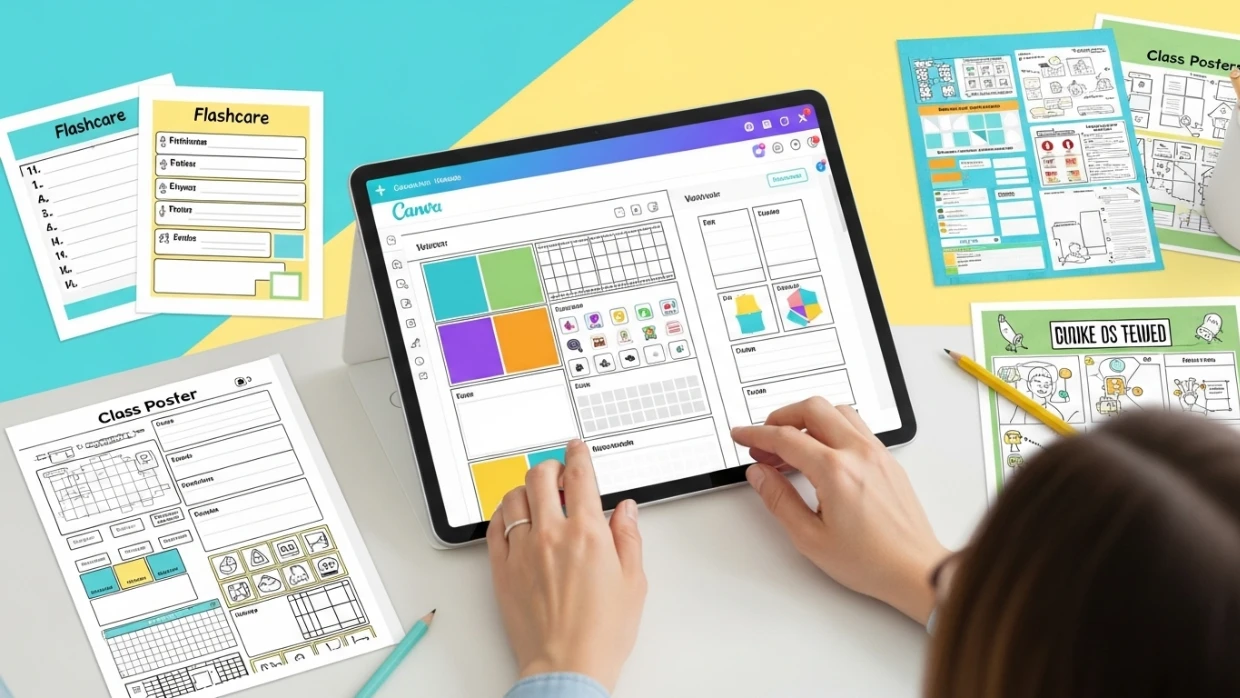
Learn how to use Canva to create beautiful, time-saving classroom materials that captivate students and simplify lesson prep.

Turn lesson plans into real learning experiences with strategies that make planning practical and purposeful.

During my years as a language school director, I often found that even the most well-designed curriculum plans could fall short when it came to real classroom implementation. The gap between planning and practice isn’t about poor design or lack of effort; it’s about navigating the dynamic, unpredictable nature of teaching. Here are strategies I’ve learned through my experiences to help bridge that gap effectively.
At my language school, we introduced a new curriculum focused on communicative language teaching. Initially, teachers struggled to shift from traditional methods. To support the transition, we held weekly reflection meetings where teachers shared successes and challenges. We also integrated micro-teaching sessions, allowing teachers to model and observe effective practices. This collaborative approach transformed the curriculum from a static document into a living, evolving framework.
Bridging the gap between curriculum planning and classroom practice is an ongoing process. It requires flexibility, collaboration, and a willingness to reflect and adapt. By aligning curriculum goals with real classroom experiences, we can create learning environments where both teachers and students thrive.
Learn how to use Canva to create beautiful, time-saving classroom materials that captivate students and simplify lesson prep.
Daily habits and reflections that help you recharge and stay inspired as an educator.
Simple tools to stay calm and grounded even on the toughest teaching days.
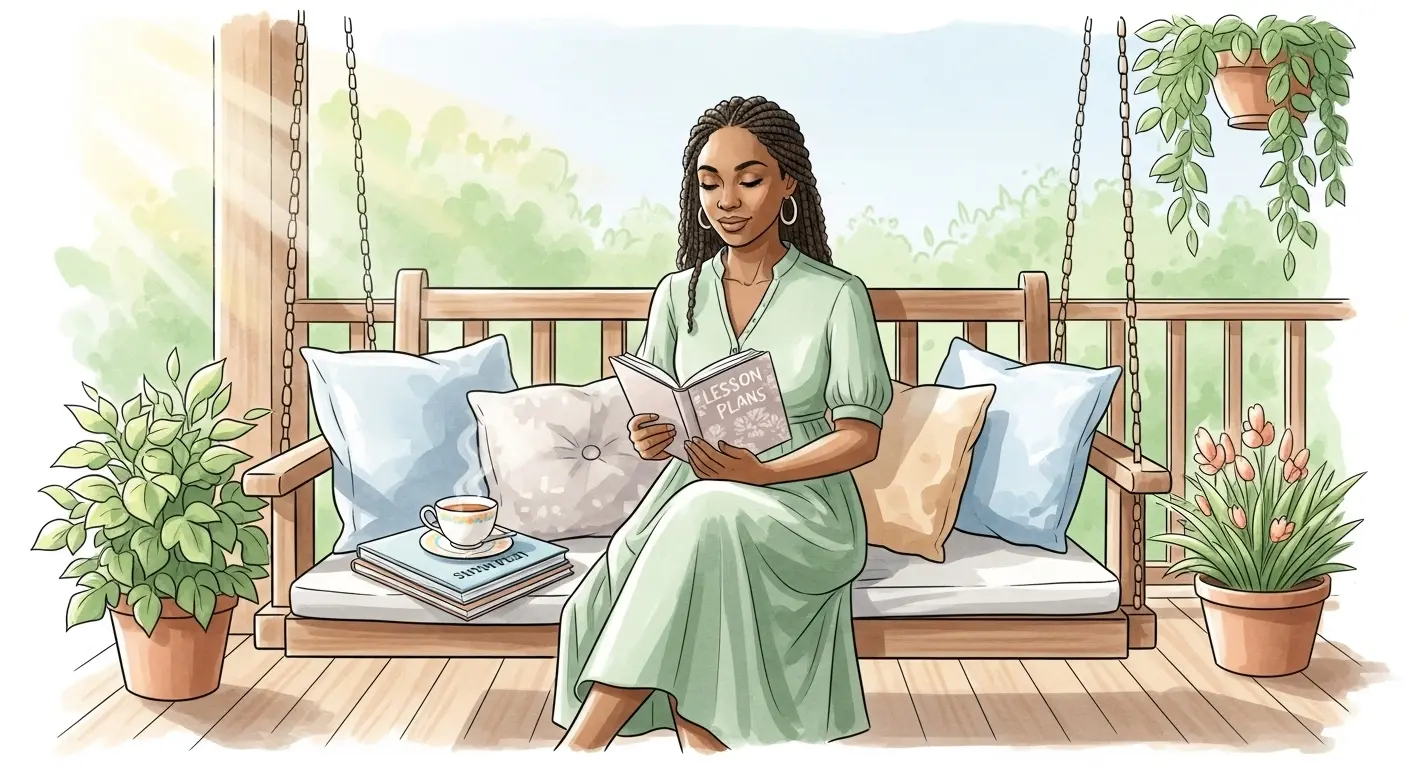
Finding Time for Yourself As a former language school director juggling teachers, students, families, and schedules, and as a mother of three children, I understand how easily teaching can spill into every corner of your life. Add lesson planning, grading, and professional development to the mix, and it feels like there’s barely a moment to […]

Modern neuroscience shows that true learning happens when we teach with the brain, not against it. This article explores how visual, social, and emotional factors influence memory and understanding — and how teachers can create classrooms that align with how the brain naturally learns.
Discover how to organize, plan, and collaborate efficiently using Google Workspace tools tailored for teachers.

Reflect on what it means to lead with purpose — in your classroom, school, and beyond.
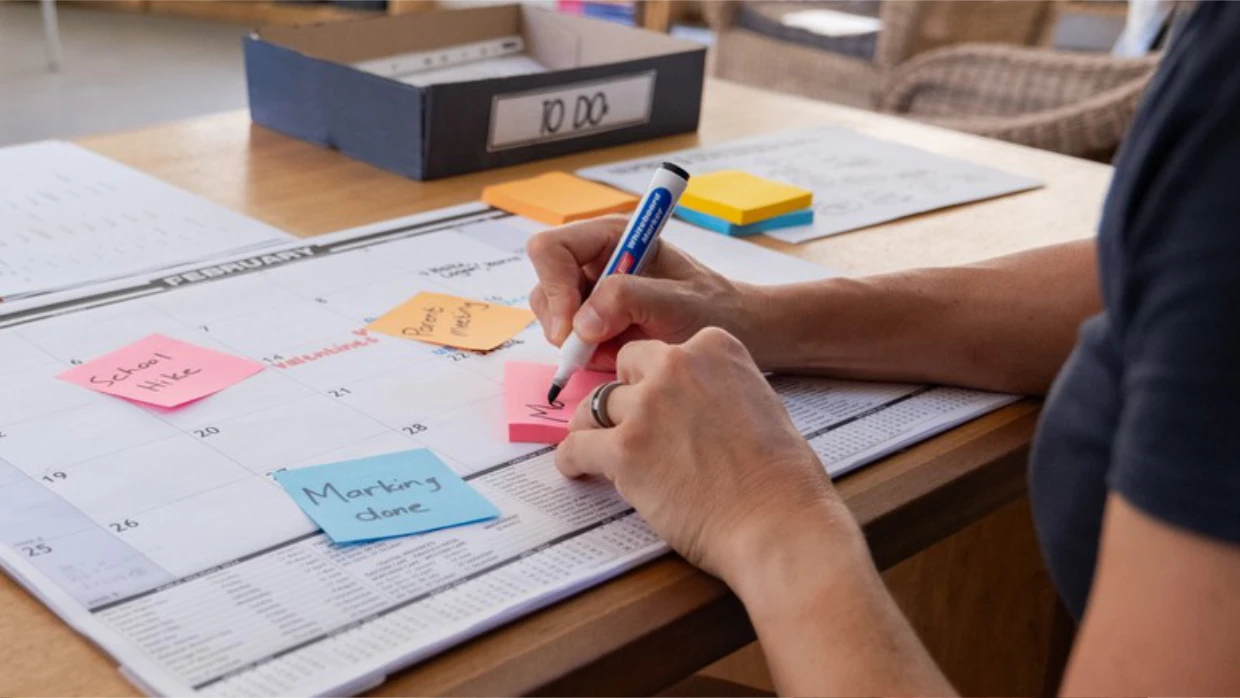
Learn how to design a coherent and flexible curriculum that supports progression, creativity, and active learning.
Privacy Policy | Cookies Policy | Terms of Use