
Learn how to use Canva to create beautiful, time-saving classroom materials that captivate students and simplify lesson prep.

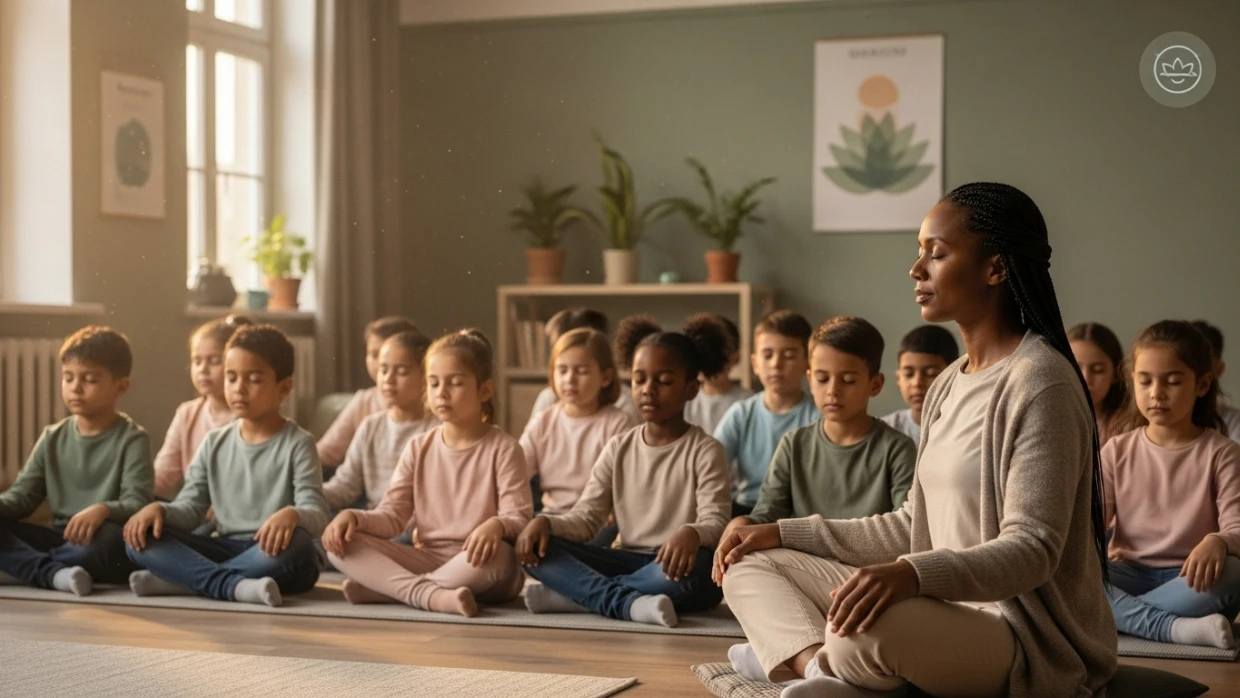
Simple tools to stay calm and grounded even on the toughest teaching days.
Having been the director of a language school for 10 years, I’ve had to juggle the responsibilities of managing teachers, students, families, curriculum content, and tight schedules. This experience taught me firsthand how overwhelming the demands of education can be. In fact, a study by the American Psychological Association (APA) found that over 60% of teachers report frequent work-related stress.
It wasn’t until I prioritized my well-being that I realized how much better I could support my team and students when I managed my own stress effectively. Here are techniques that have helped me and can support you in creating a healthier classroom environment.
In my case, specially during the first years of being the director of my own school, I faced some stress at the begining of the school year. I had to deal with new registrations, organizing new groups, schedule groups into the week, plann the events calendar, and the content for the course. During the years, I started to feel more secured, more confident about my experience and my knowledge, but I also created a simple routine which helped me to develop my job effectively and efficiently. I think, this helped me feel calmer but also created a supportive environment for my students.
Managing stress isn’t about eliminating it completely—it’s about developing strategies to handle it effectively. By recognizing your stressors, practicing self-care, and fostering a supportive classroom environment, you can maintain both your well-being and your passion for teaching.
Learn how to use Canva to create beautiful, time-saving classroom materials that captivate students and simplify lesson prep.
Daily habits and reflections that help you recharge and stay inspired as an educator.
Finding Time for Yourself As a former language school director juggling teachers, students, families, and schedules, and as a mother of three children, I understand how easily teaching can spill into every corner of your life. Add lesson planning, grading, and professional development to the mix, and it feels like there’s barely a moment to […]

Modern neuroscience shows that true learning happens when we teach with the brain, not against it. This article explores how visual, social, and emotional factors influence memory and understanding — and how teachers can create classrooms that align with how the brain naturally learns.

Discover how to organize, plan, and collaborate efficiently using Google Workspace tools tailored for teachers.

Turn lesson plans into real learning experiences with strategies that make planning practical and purposeful.

Reflect on what it means to lead with purpose — in your classroom, school, and beyond.
Learn how to design a coherent and flexible curriculum that supports progression, creativity, and active learning.

Privacy Policy | Cookies Policy | Terms of Use