
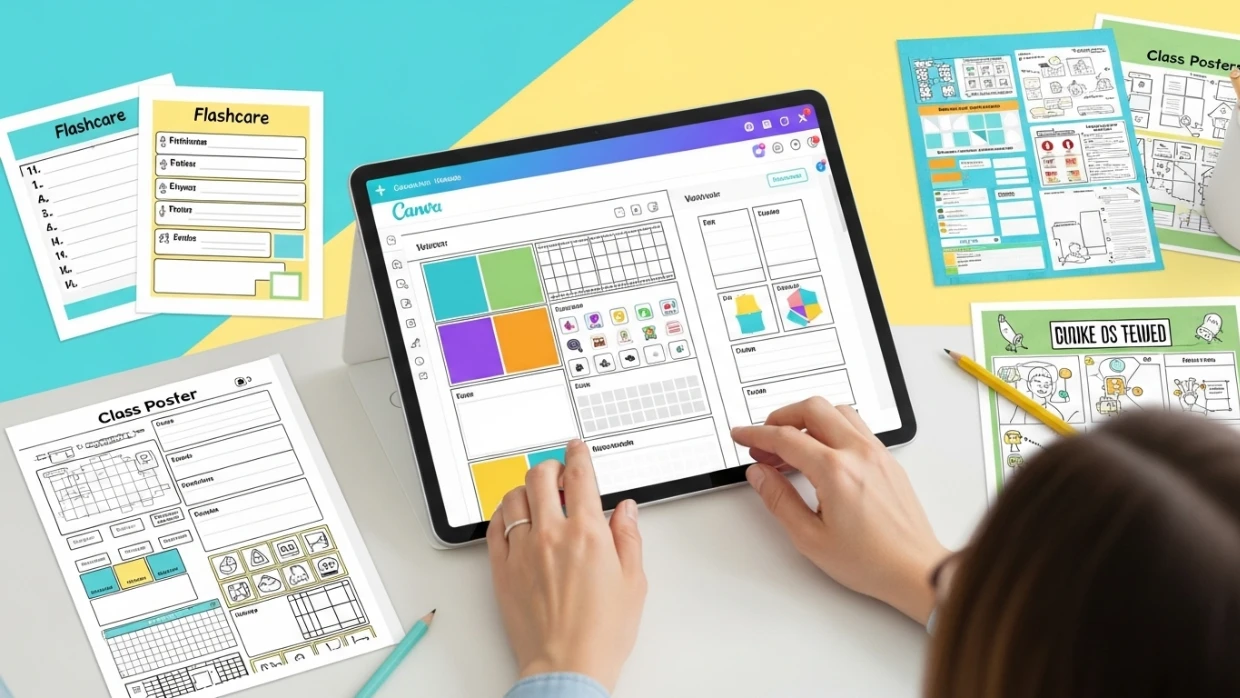
Learn how to use Canva to create beautiful, time-saving classroom materials that captivate students and simplify lesson prep.

Finding Time for Yourself As a former language school director juggling teachers, students, families, and schedules, and as a mother of three children, I understand how easily teaching can spill into every corner of your life. Add lesson planning, grading, and professional development to the mix, and it feels like there’s barely a moment to […]
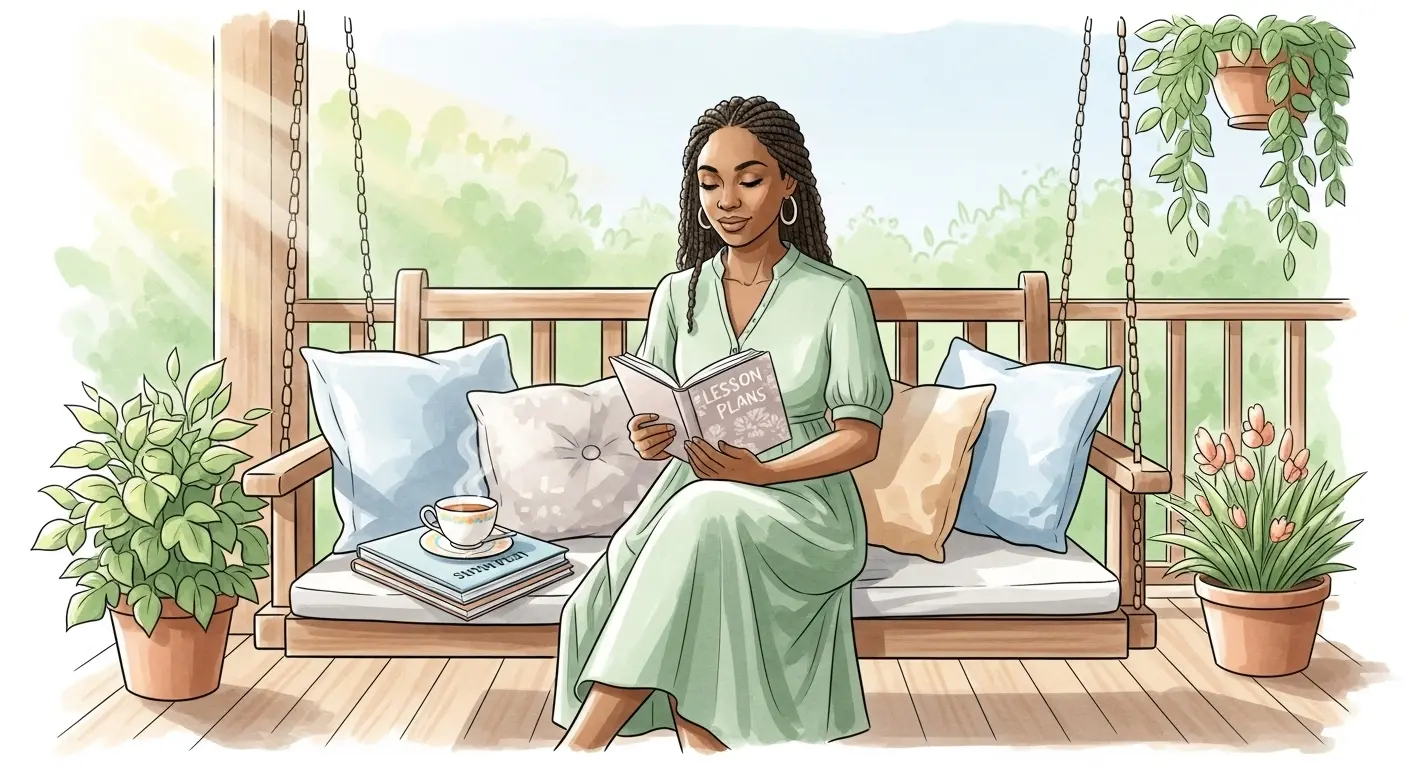
As a former language school director juggling teachers, students, families, and schedules, and as a mother of three children, I understand how easily teaching can spill into every corner of your life. Add lesson planning, grading, and professional development to the mix, and it feels like there’s barely a moment to breathe. However, maintaining a healthy work-life balance isn’t just about reducing stress; it’s essential for staying motivated and effective in the classroom.
During a particularly busy term, I noticed I was constantly working late into the evenings. To regain balance, I started setting a “shutdown ritual” at 6 PM—closing my laptop, writing a quick to-do list for the next day, and mentally leaving work behind. This simple habit made a huge difference in how present I felt with my family.
Achieving work-life balance as a teacher isn’t about perfection. It’s about making intentional choices that protect your well-being. By setting boundaries, prioritizing self-care, and regularly reflecting on your needs, you can create a sustainable routine that supports both your professional growth and personal happiness.
Learn how to use Canva to create beautiful, time-saving classroom materials that captivate students and simplify lesson prep.
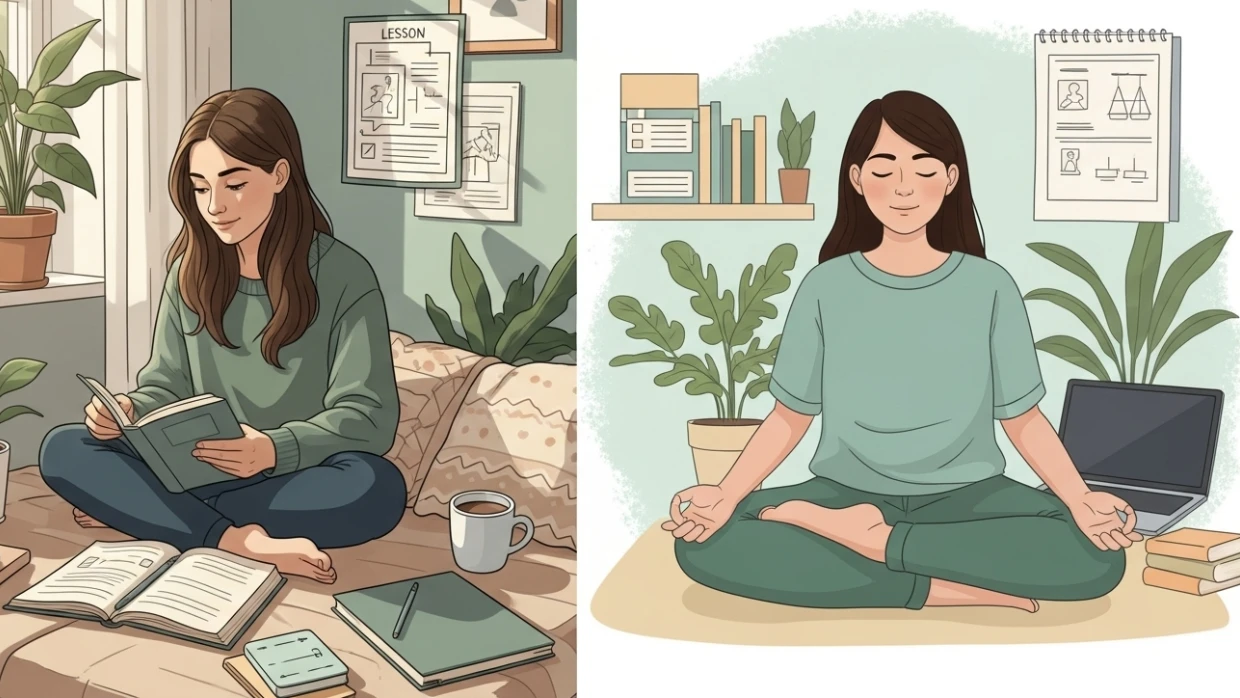
Daily habits and reflections that help you recharge and stay inspired as an educator.
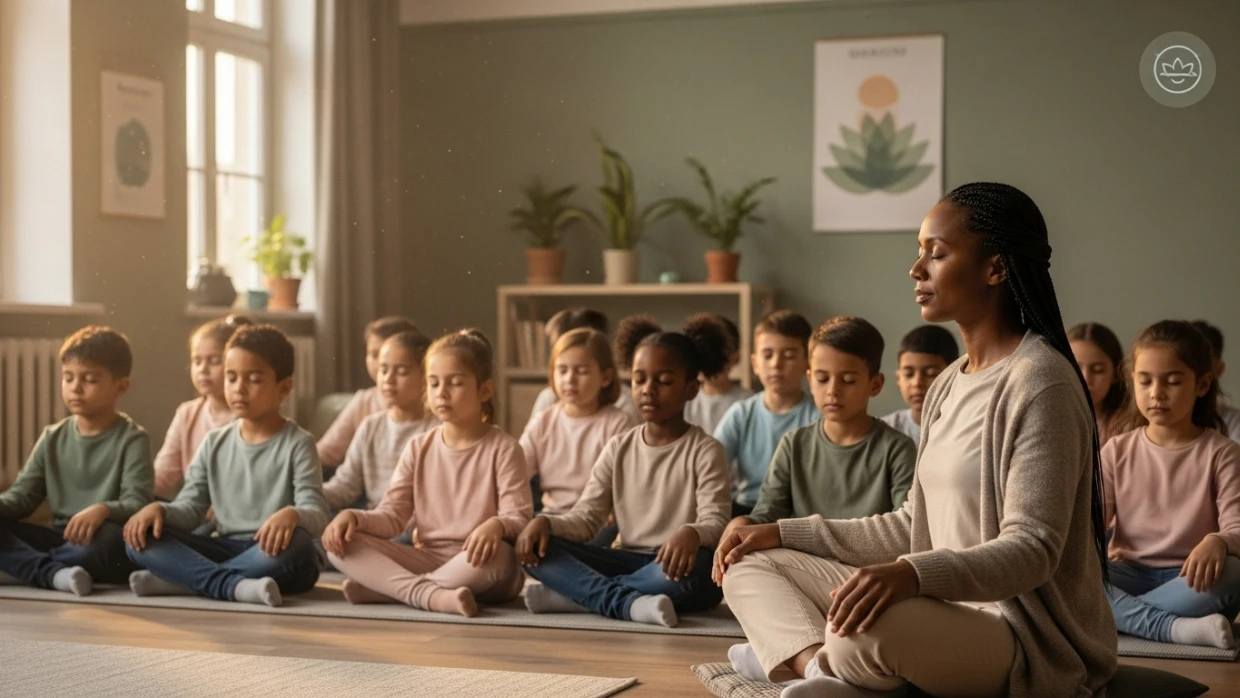
Simple tools to stay calm and grounded even on the toughest teaching days.

Modern neuroscience shows that true learning happens when we teach with the brain, not against it. This article explores how visual, social, and emotional factors influence memory and understanding — and how teachers can create classrooms that align with how the brain naturally learns.
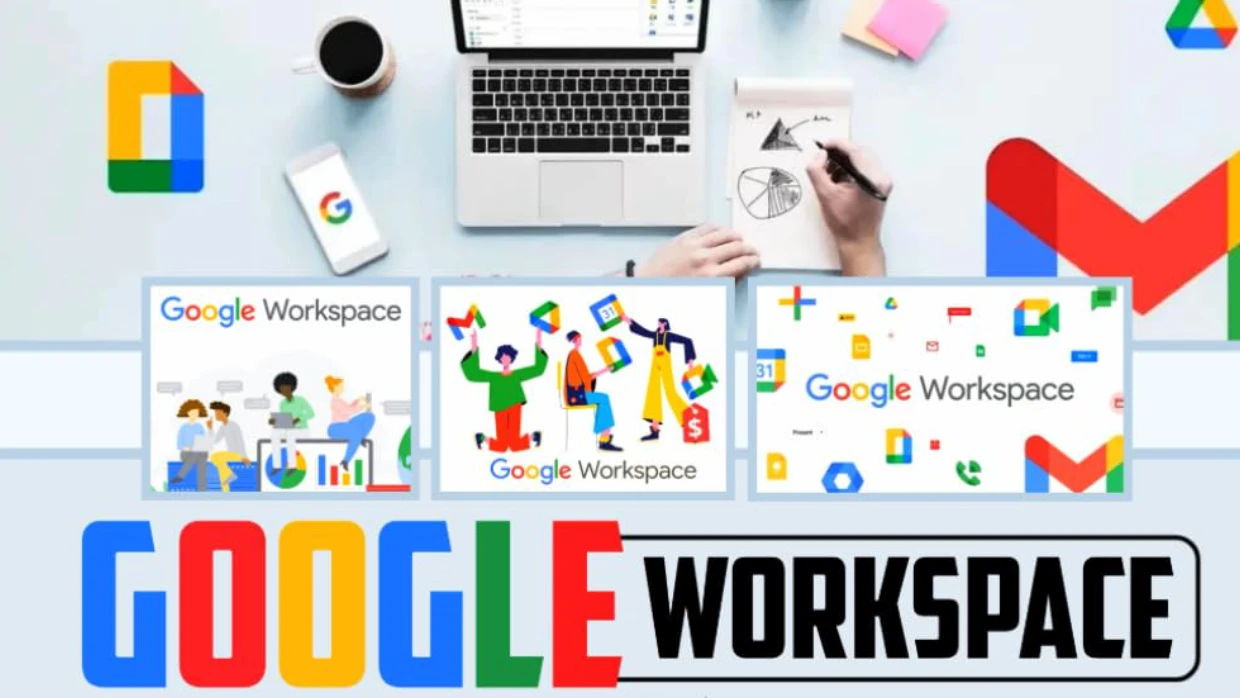
Discover how to organize, plan, and collaborate efficiently using Google Workspace tools tailored for teachers.

Turn lesson plans into real learning experiences with strategies that make planning practical and purposeful.

Reflect on what it means to lead with purpose — in your classroom, school, and beyond.
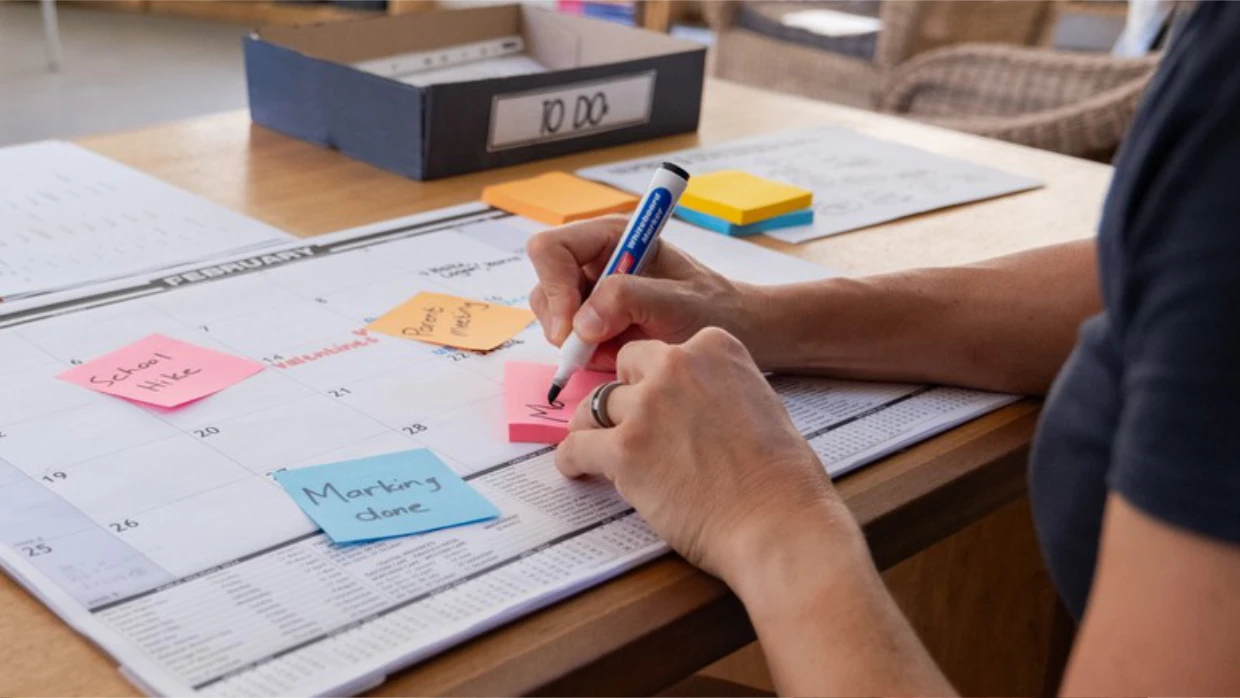
Learn how to design a coherent and flexible curriculum that supports progression, creativity, and active learning.

Privacy Policy | Cookies Policy | Terms of Use