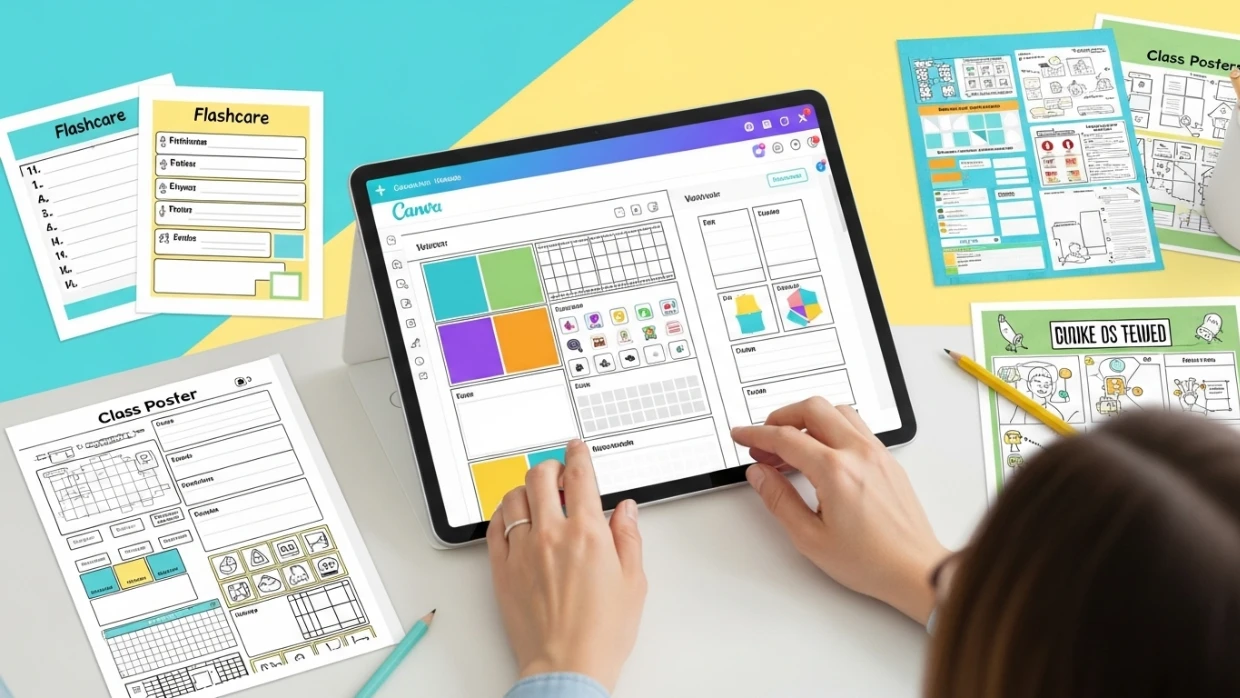
Learn how to use Canva to create beautiful, time-saving classroom materials that captivate students and simplify lesson prep.

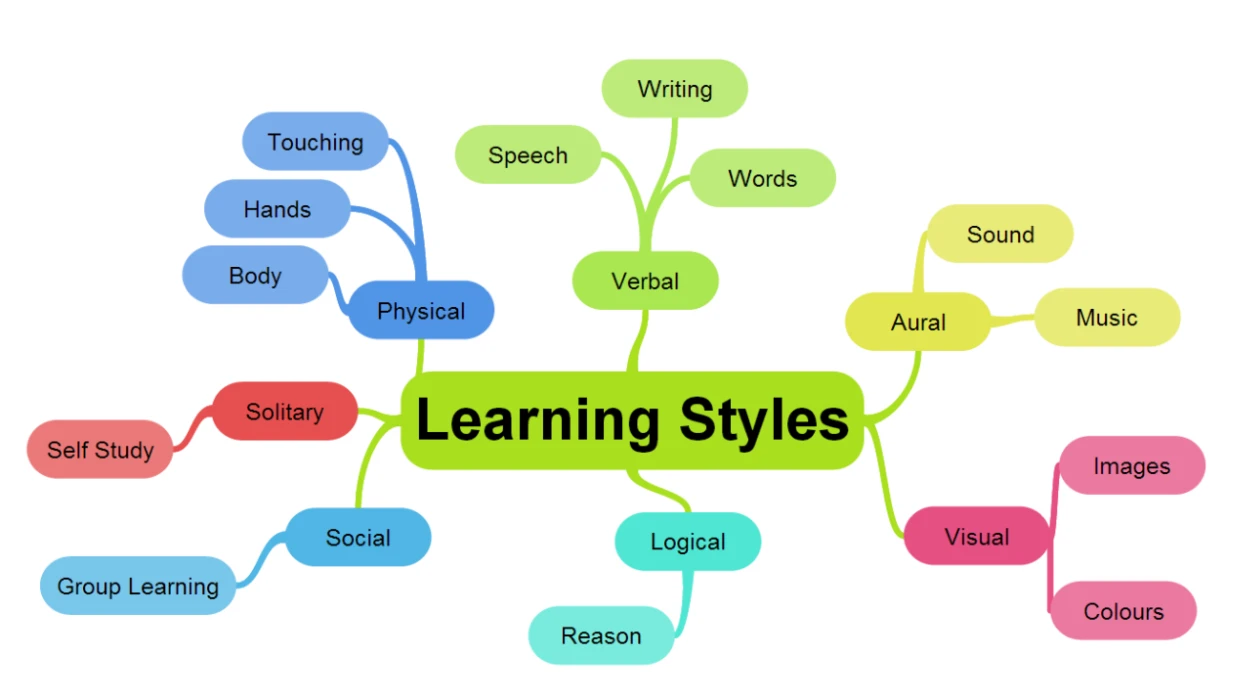
Learn to design lessons that reach visual, auditory, and kinesthetic learners through small, powerful adjustments.
When I first started teaching, I used to think that if I explained something clearly enough, everyone would understand it. But I quickly learned that what seemed clear to me wasn’t always clear to my students. Some of them needed to see it, others needed to hear it, and a few needed to move and touch it to truly understand.
I’ll never forget one lesson about directions in English — “turn left,” “go straight,” “cross the street.” I explained it with slides, but some students still looked lost. So I drew a simple map on the floor with masking tape and asked them to “walk” around giving each other directions. Suddenly, everyone was laughing, moving, and speaking English naturally. That day I realised: teaching is not about how I explain; it’s about how they learn.
The VAK model (Visual, Auditory, Kinesthetic) is a practical framework for designing more inclusive lessons.
Of course, most students are a combination of all three, but knowing these preferences helps us reach everyone more effectively.
Here are some of the small adjustments that made a big difference in my own lessons:
For visual learners:
For auditory learners:
For kinesthetic learners:
The best lessons don’t target just one learning style — they combine them.
For example, when teaching food vocabulary, I might:
1️⃣ Show pictures of food (visual),
2️⃣ Play a short “restaurant dialogue” audio (auditory), and
3️⃣ Have students create a role-play ordering lunch (kinesthetic).
This approach activates multiple parts of the brain and improves memory retention. It also makes lessons more fun — for both teacher and students.
I often take a moment after each class to ask myself:
This quick reflection helps me plan the next lesson with better balance.
Differentiating for learning styles isn’t about preparing three separate lessons — it’s about layering variety into what you already do. By seeing, hearing, and doing, your students will connect more deeply with the content — and you’ll see that spark when learning finally clicks.
I’ve learned that when we teach to all the senses, we teach to all the minds.
Learn how to use Canva to create beautiful, time-saving classroom materials that captivate students and simplify lesson prep.
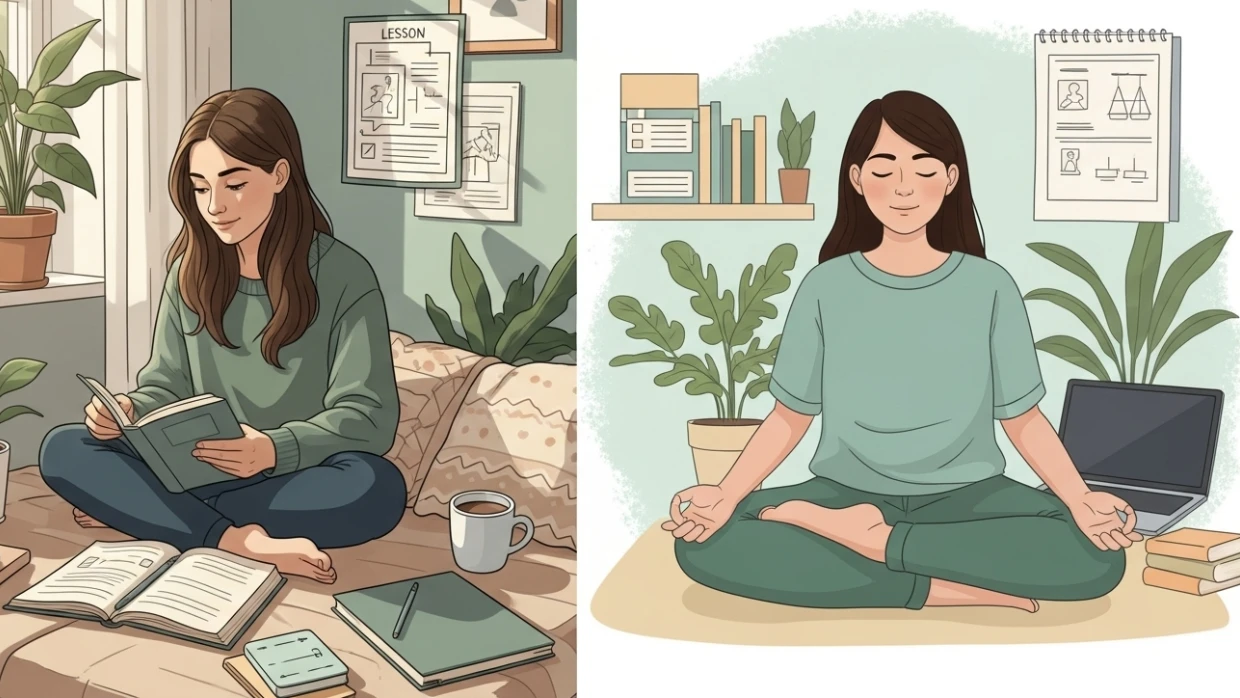
Daily habits and reflections that help you recharge and stay inspired as an educator.
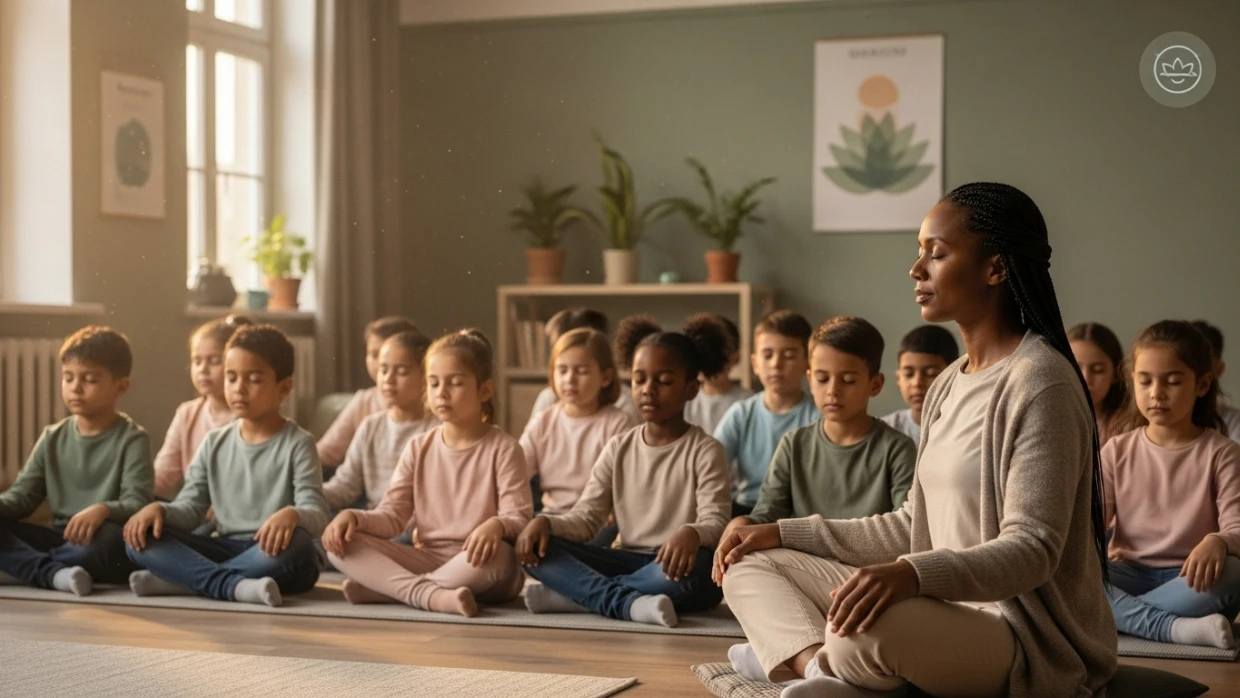
Simple tools to stay calm and grounded even on the toughest teaching days.
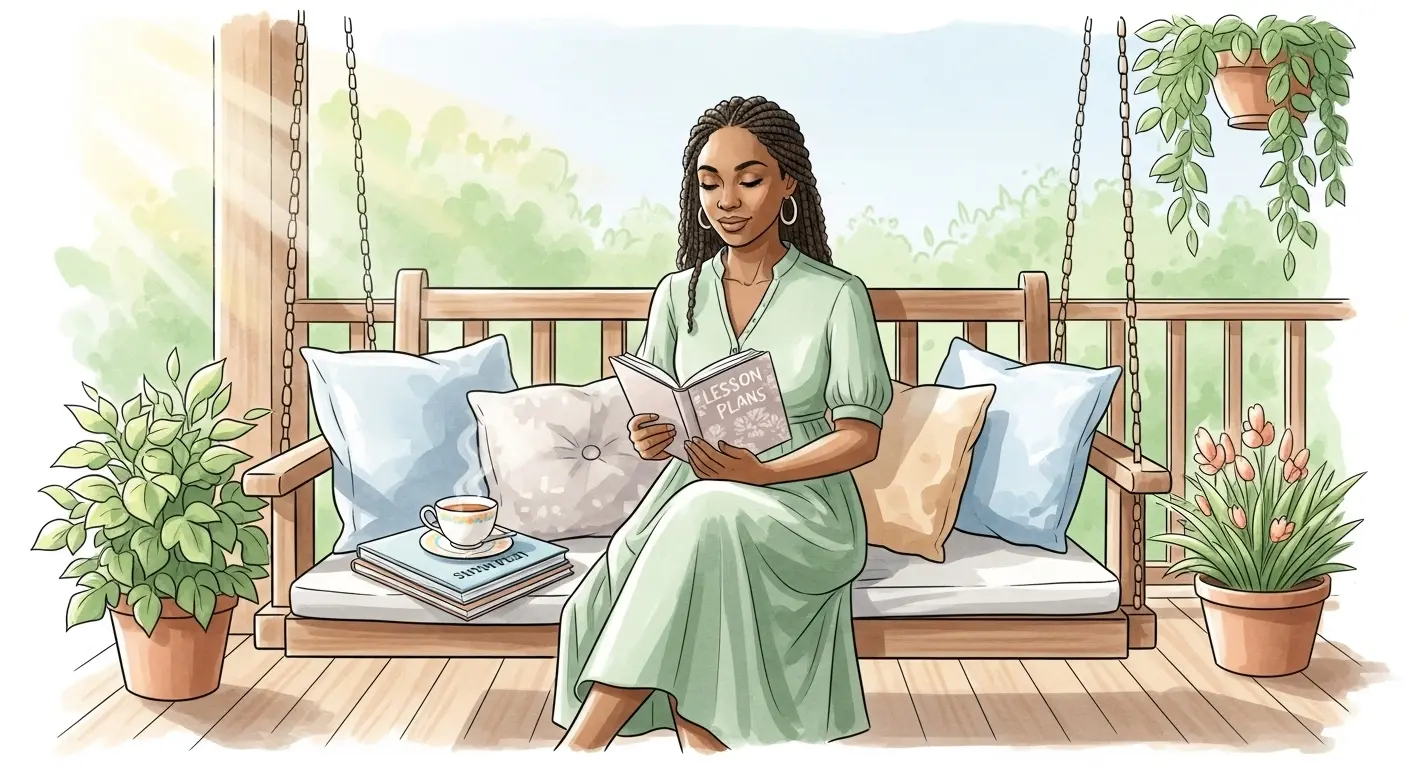
Finding Time for Yourself As a former language school director juggling teachers, students, families, and schedules, and as a mother of three children, I understand how easily teaching can spill into every corner of your life. Add lesson planning, grading, and professional development to the mix, and it feels like there’s barely a moment to […]
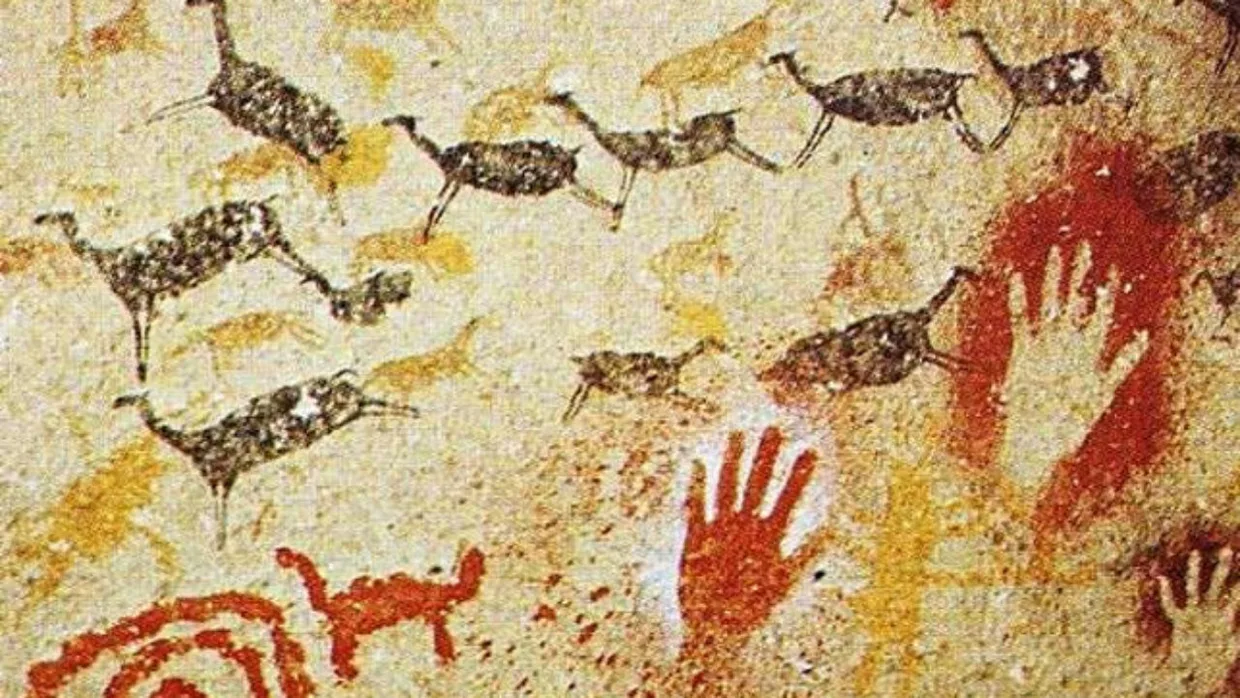
Modern neuroscience shows that true learning happens when we teach with the brain, not against it. This article explores how visual, social, and emotional factors influence memory and understanding — and how teachers can create classrooms that align with how the brain naturally learns.
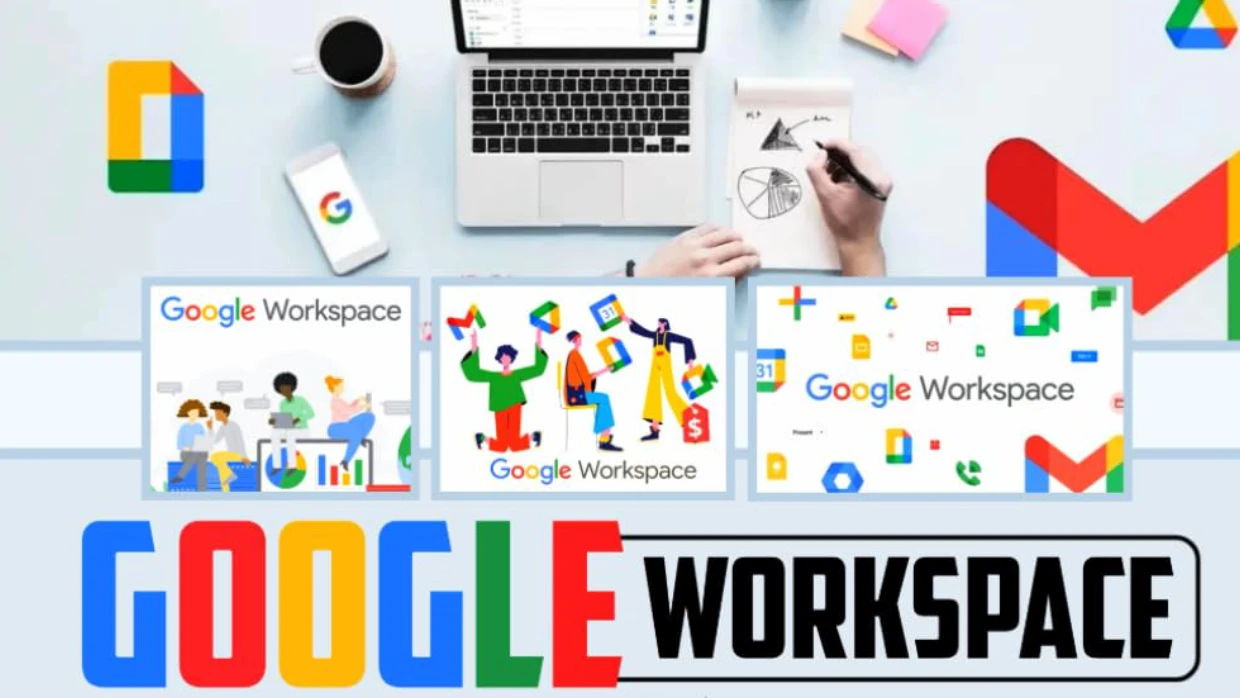
Discover how to organize, plan, and collaborate efficiently using Google Workspace tools tailored for teachers.

Turn lesson plans into real learning experiences with strategies that make planning practical and purposeful.

Reflect on what it means to lead with purpose — in your classroom, school, and beyond.
Privacy Policy | Cookies Policy | Terms of Use