Learn how to use Canva to create beautiful, time-saving classroom materials that captivate students and simplify lesson prep.

Learn how to replace punishment with empathy and responsibility to create a respectful, motivated classroom.
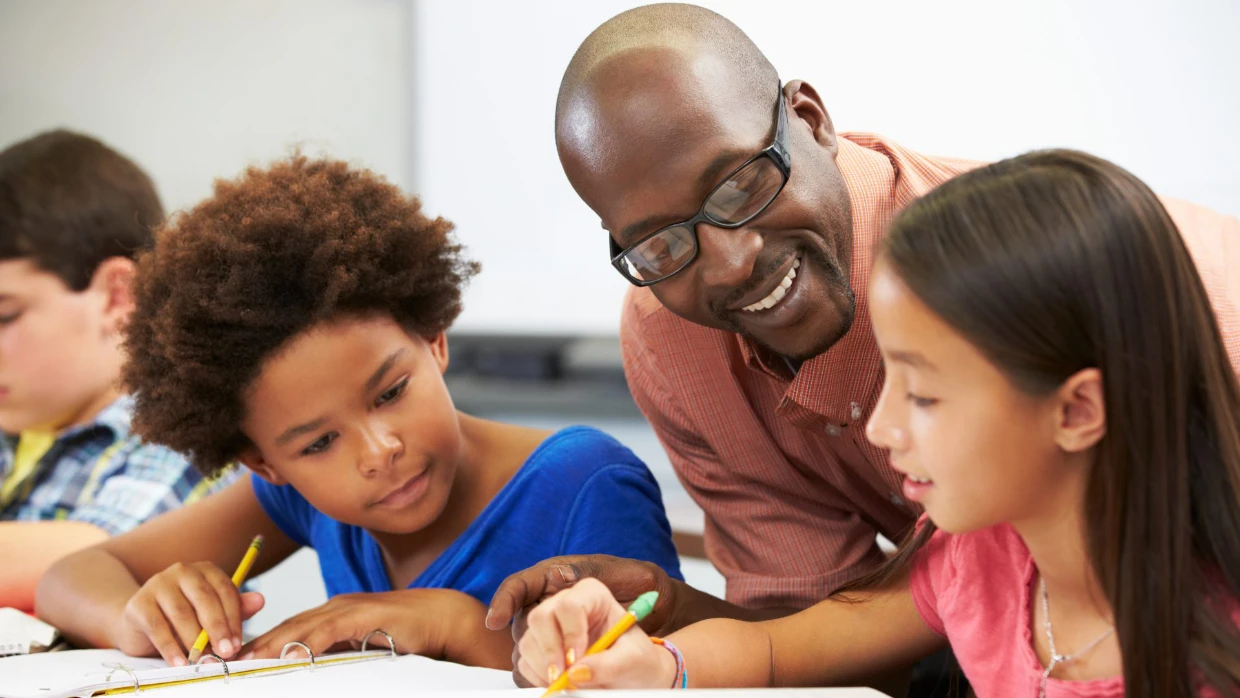
When I first started teaching, I believed that discipline meant control — that my job was to keep everyone quiet and focused. But the more I taught, the more I realised that fear might bring silence, but never respect.
One day, during an English lesson, two students began arguing loudly in the middle of an activity. My instinct was to raise my voice — but I stopped. Instead, I asked them to step aside and talk privately. We discussed what had happened, how they both felt, and how they could fix it. Five minutes later, they were working together again, even laughing.
That moment taught me something essential: discipline isn’t about punishment, it’s about guidance, empathy, and connection.
Punishment might stop unwanted behaviour temporarily, but it doesn’t teach students why their actions were wrong or how to do better next time. Neuroscience tells us that when a child feels fear or shame, their brain’s learning centres literally shut down — they enter survival mode.
As I often tell new teachers: “A child who fears you won’t learn from you — they’ll learn to avoid you.”
Positive discipline focuses on teaching, not controlling. It helps students build responsibility and self-regulation while keeping the classroom calm and respectful.
Here are some principles that have transformed my classroom:
a) The Calm Corner
Instead of a “time-out,” I created a peace corner — a space where students can breathe, draw, or reflect when they feel upset. It’s not a punishment, but a tool for self-regulation.
b) The Class Charter
At the start of the year, we co-create a poster with our rules — written in positive language:
c) Restorative Circles
After a conflict, we meet in a small circle. Everyone involved explains what happened, how it felt, and what they can do to make things right. These conversations build empathy faster than any punishment ever could.
One of my favourite routines is the Kindness Jar.
Whenever someone helps, shares, or shows empathy, another student writes it on a small note and drops it in the jar. Every Friday, we read some aloud and celebrate the good moments of the week.
It takes five minutes, but it completely changes the classroom atmosphere.
Creating a classroom without punishment doesn’t mean letting go of discipline — it means replacing fear with responsibility. When students feel seen, respected, and trusted, they don’t just behave better — they learn better. After all, the goal is not to control students but to teach them to control themselves.
Learn how to use Canva to create beautiful, time-saving classroom materials that captivate students and simplify lesson prep.
Daily habits and reflections that help you recharge and stay inspired as an educator.
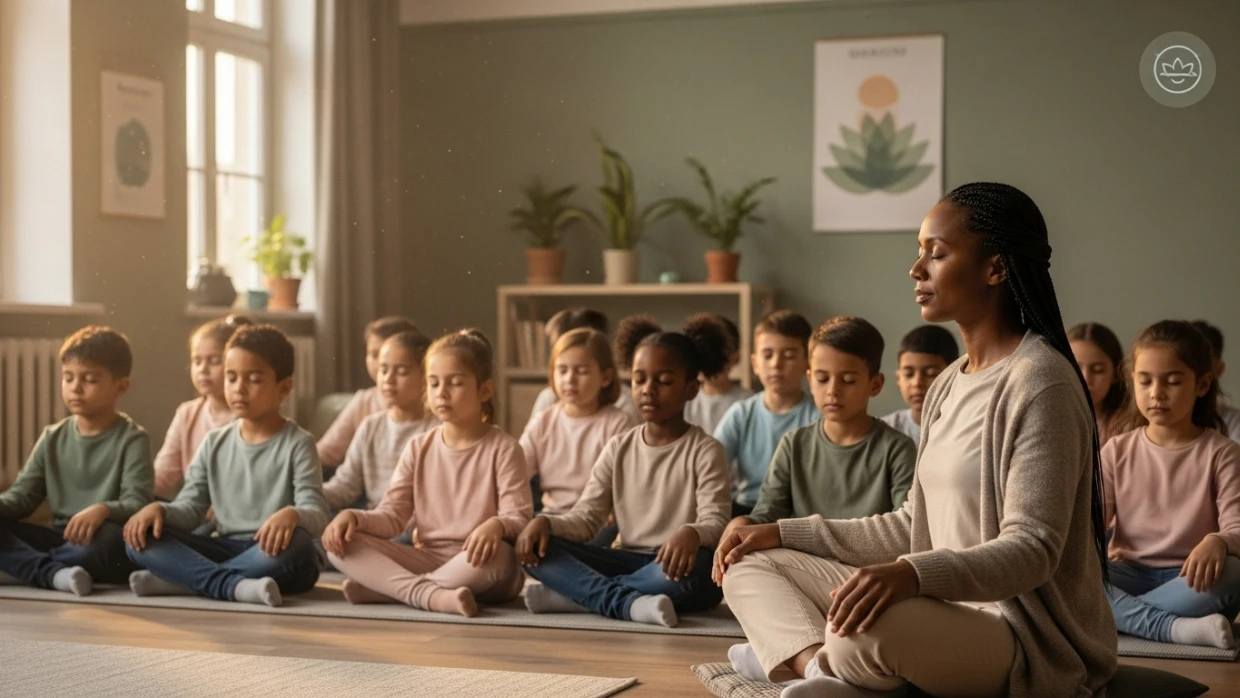
Simple tools to stay calm and grounded even on the toughest teaching days.
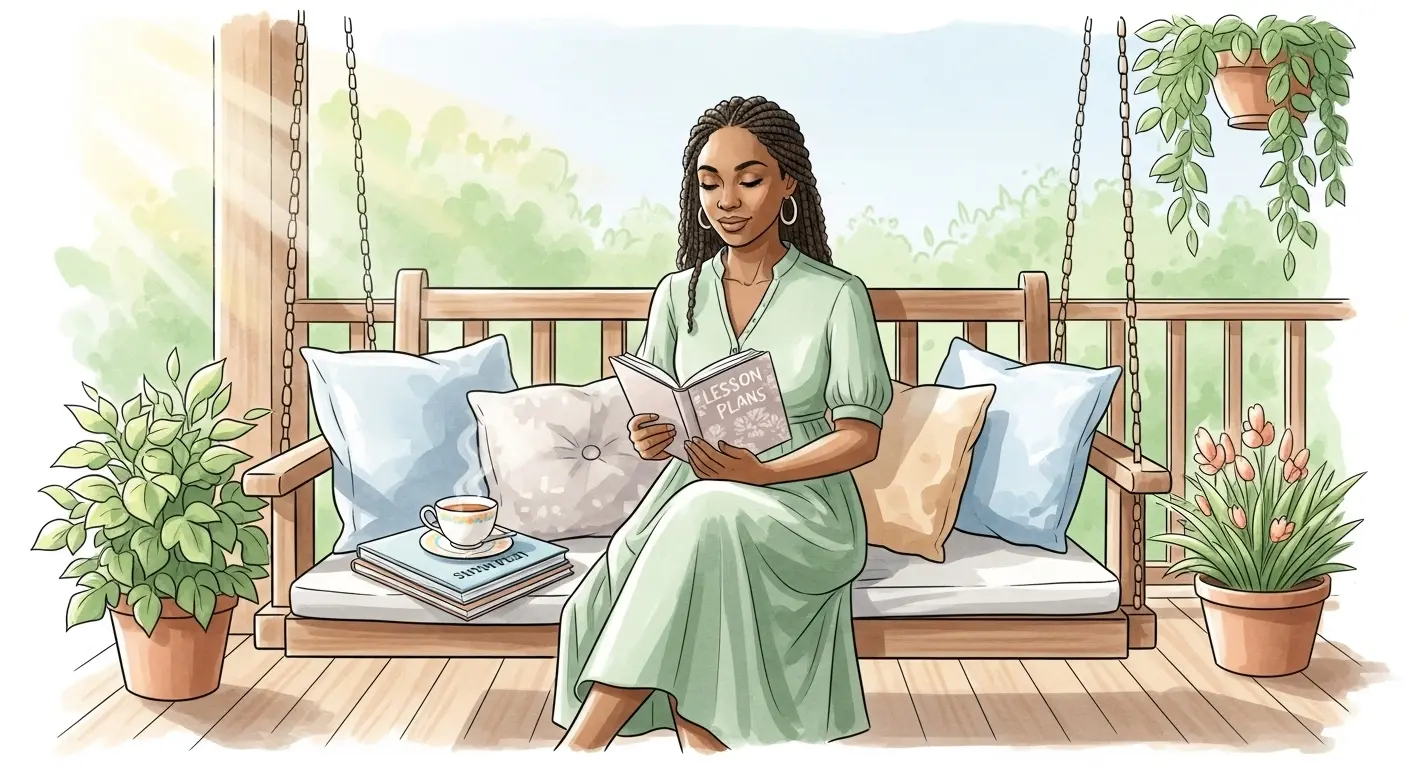
Finding Time for Yourself As a former language school director juggling teachers, students, families, and schedules, and as a mother of three children, I understand how easily teaching can spill into every corner of your life. Add lesson planning, grading, and professional development to the mix, and it feels like there’s barely a moment to […]

Modern neuroscience shows that true learning happens when we teach with the brain, not against it. This article explores how visual, social, and emotional factors influence memory and understanding — and how teachers can create classrooms that align with how the brain naturally learns.

Discover how to organize, plan, and collaborate efficiently using Google Workspace tools tailored for teachers.

Turn lesson plans into real learning experiences with strategies that make planning practical and purposeful.
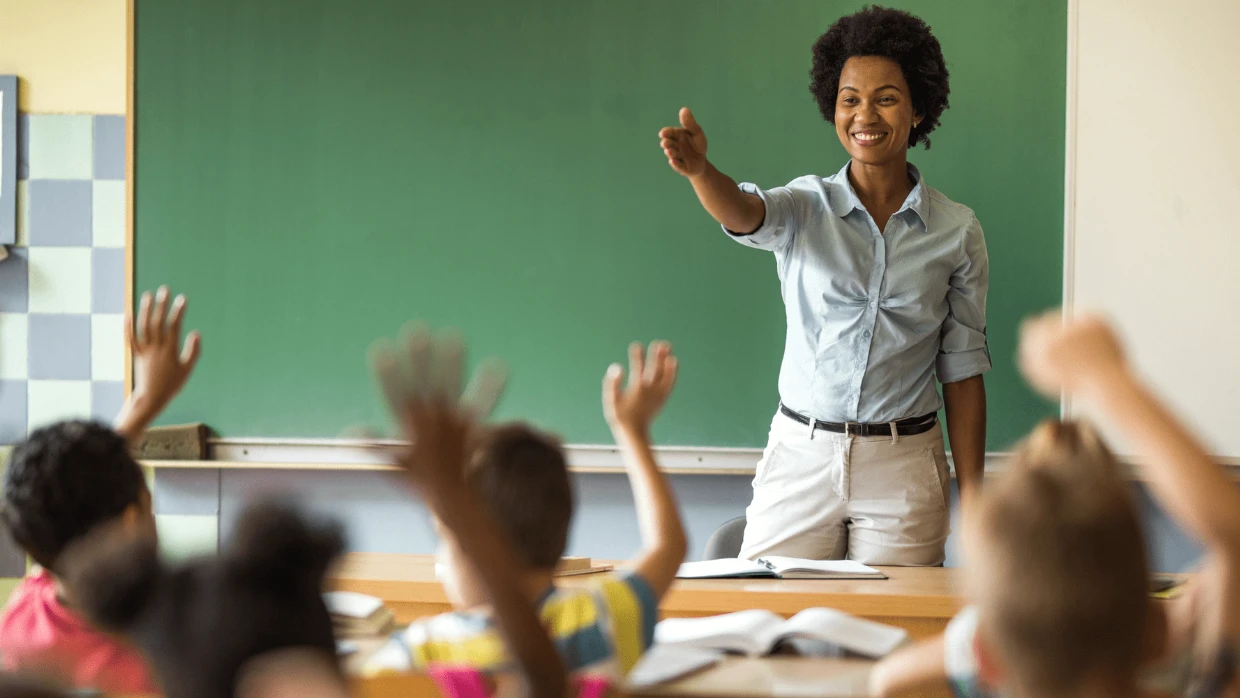
Reflect on what it means to lead with purpose — in your classroom, school, and beyond.
Privacy Policy | Cookies Policy | Terms of Use