Learn how to use Canva to create beautiful, time-saving classroom materials that captivate students and simplify lesson prep.
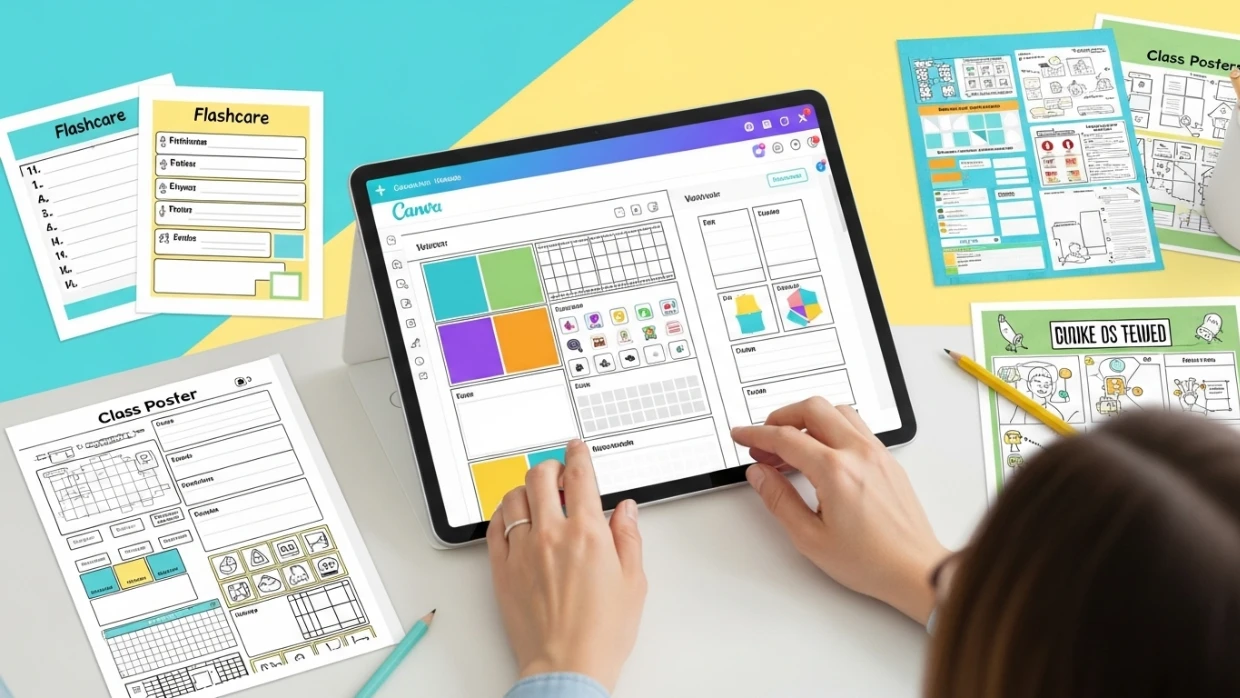

Bring creativity and joy into your language lessons with simple writing games adaptable to English, Spanish, or even Swahili. Discover how play and imagination can unlock confidence and communication in every student.
Writing is one of the hardest skills to teach — and to learn. Many students freeze as soon as they see a blank page. But here’s the secret I’ve discovered over the years: creativity unlocks writing.
When we turn writing into a game, students forget their fear of mistakes and start playing with words — and that’s when language learning truly happens.
These are some of my favourite creative writing games that work beautifully in English, Spanish, or even Swahili lessons.
How it works: Prepare a bag with small random objects (a key, a coin, a pencil, a feather…). Each group picks three items and must write a short story that includes them all.
Why it works:
Examples:
Variation: Use pictures instead of objects if teaching online.
How it works: Each student writes one sentence of a story, then passes the paper to the next person who continues it. By the end, the story is hilarious — and often grammatically chaotic, which makes it perfect for reflection.
Why it works:
Example (mixed languages):
1️⃣ There was a strange noise outside the classroom.
2️⃣ Cuando miramos por la ventana, vimos algo moverse.
3️⃣ Kisha paka mweusi akaruka juu ya dawati! (Then a black cat jumped onto the desk!)
Students love hearing their “multilingual masterpieces” read aloud.
How it works: Prepare dice or cards with situations (at the supermarket, on the bus, at the hospital) and emotions (angry, excited, nervous). Students roll or pick one of each and write (or act out) a short dialogue.
Why it works:
Examples:
Extension: Let advanced students record or perform their dialogues as a mini-sketch.
How it works: Choose a topic (animals, emotions, food). One student writes a sentence ending with a word. The next student must start their sentence with that word. Continue the chain until everyone has participated.
Example (Swahili version):
Why it works:
How it works: Show students a mysterious picture (a forest, an empty street, a spaceship).
They must write a short postcard or message describing where they are and what happened.
Example prompts:
Why it works:
Creative writing doesn’t have to mean long essays or perfect grammar — it’s about expression, imagination, and voice. When students see that their ideas matter more than their mistakes, writing becomes a joy instead of a chore.
Whether it’s in English, Spanish, or Swahili, stories connect us all — and remind us that language learning is, above all, a creative act.
Learn how to use Canva to create beautiful, time-saving classroom materials that captivate students and simplify lesson prep.

Daily habits and reflections that help you recharge and stay inspired as an educator.

Simple tools to stay calm and grounded even on the toughest teaching days.
Finding Time for Yourself As a former language school director juggling teachers, students, families, and schedules, and as a mother of three children, I understand how easily teaching can spill into every corner of your life. Add lesson planning, grading, and professional development to the mix, and it feels like there’s barely a moment to […]
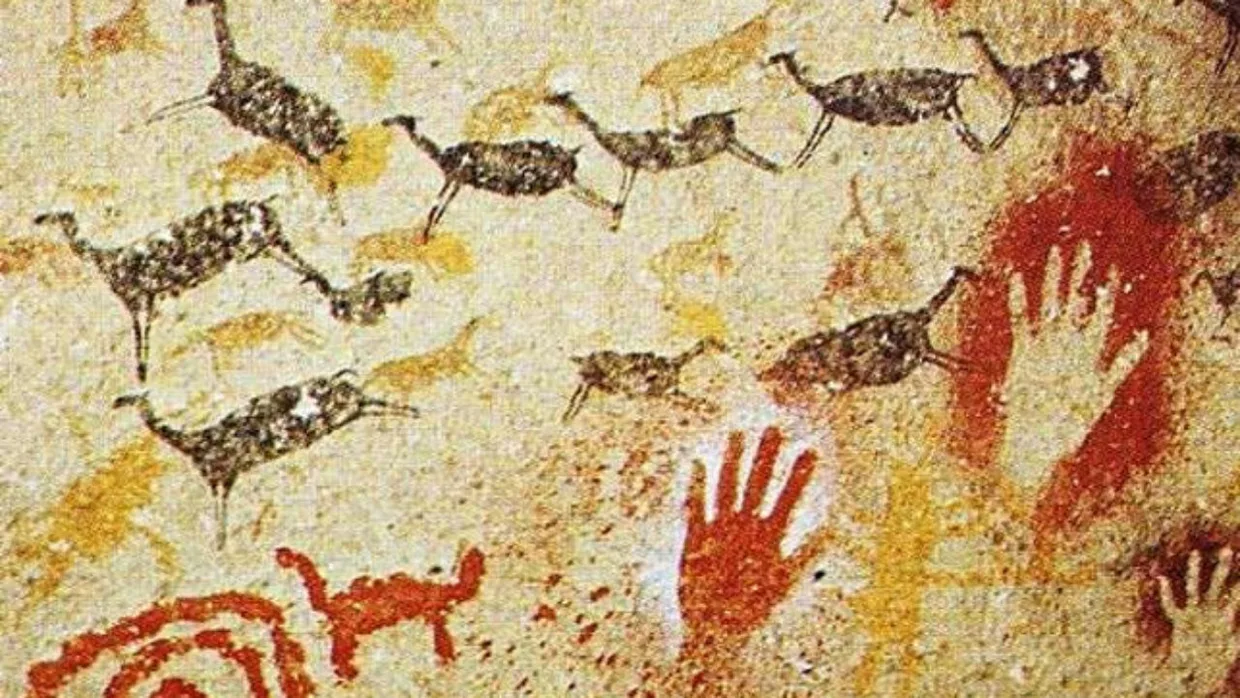
Modern neuroscience shows that true learning happens when we teach with the brain, not against it. This article explores how visual, social, and emotional factors influence memory and understanding — and how teachers can create classrooms that align with how the brain naturally learns.

Discover how to organize, plan, and collaborate efficiently using Google Workspace tools tailored for teachers.

Turn lesson plans into real learning experiences with strategies that make planning practical and purposeful.

Reflect on what it means to lead with purpose — in your classroom, school, and beyond.
Privacy Policy | Cookies Policy | Terms of Use