
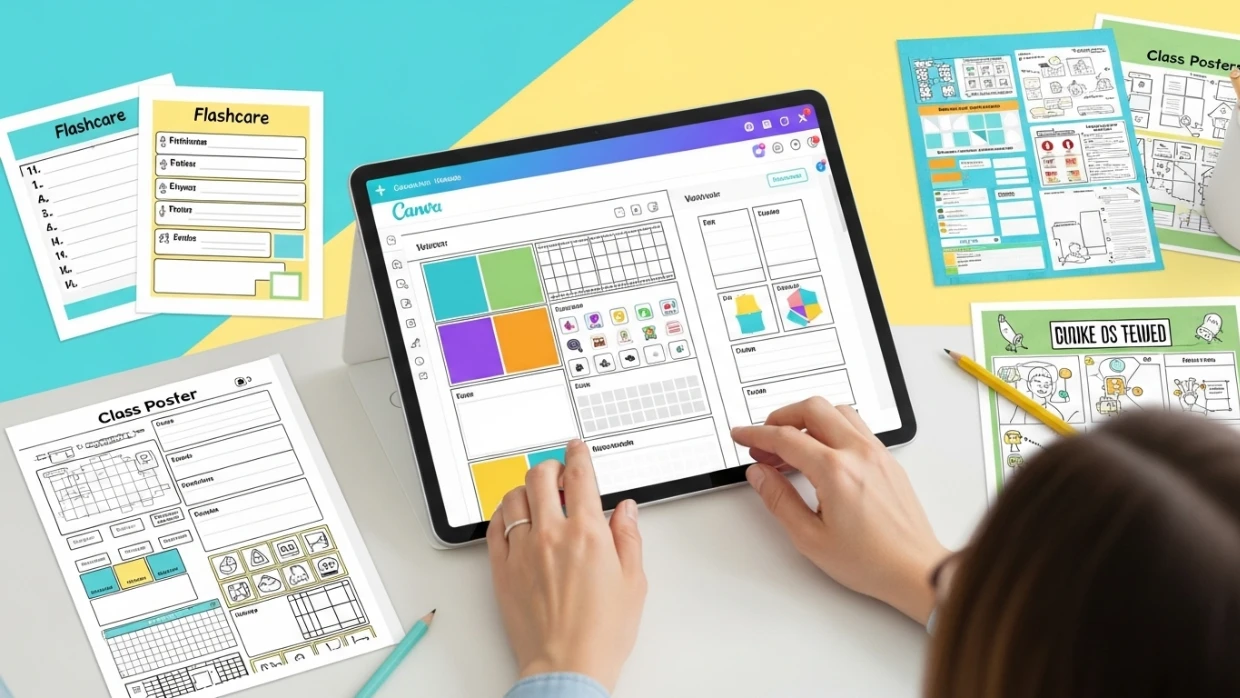
Learn how to use Canva to create beautiful, time-saving classroom materials that captivate students and simplify lesson prep.

Learn how to design a coherent and flexible curriculum that supports progression, creativity, and active learning.
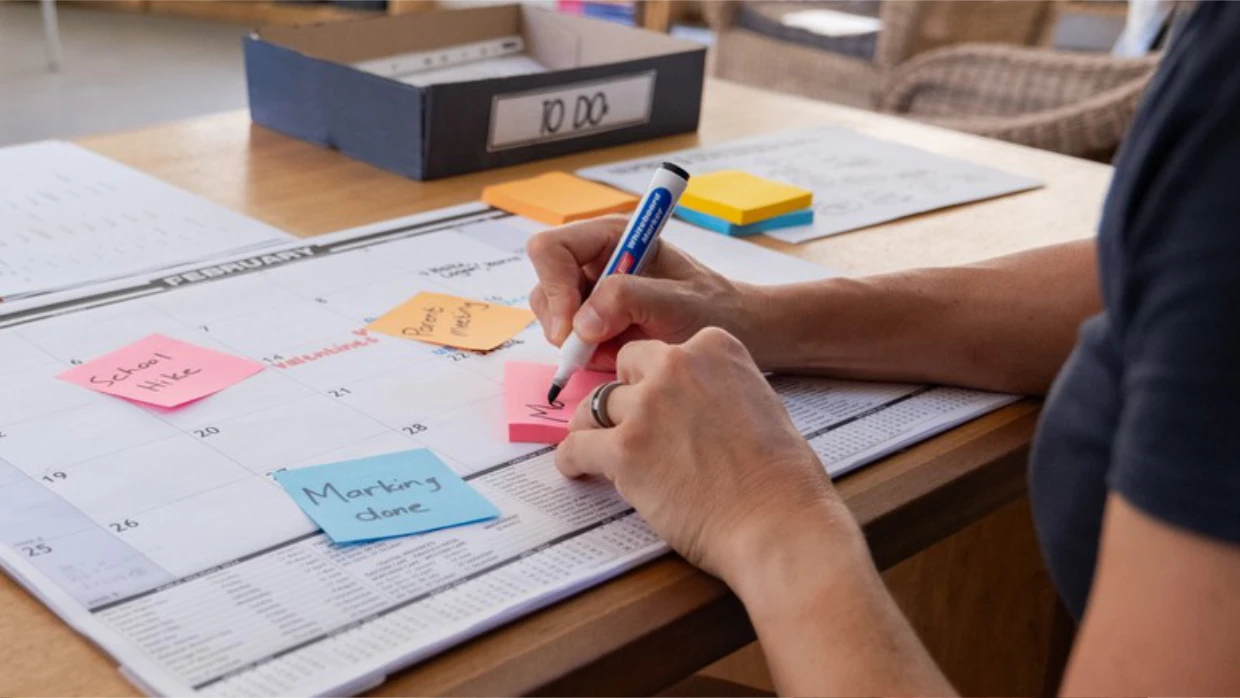
I still remember the first time I had to plan an entire curriculum. It felt overwhelming—where to start, how to ensure I covered everything, and how to keep lessons engaging. Over time, I discovered that effective curriculum planning isn’t just about filling in lesson plans; it’s about creating a meaningful learning journey for students.
Curriculum planning helps teachers stay organized, ensures learning objectives are met, and allows flexibility to adapt to students’ needs. Here are some tips that have helped me streamline my planning process:
Before thinking about activities, define what you want your students to achieve. Learning objectives should be specific, measurable, and aligned with curriculum standards.
Dividing the curriculum into units or themes makes planning less daunting. Each unit can focus on specific skills or topics, building progressively throughout the term.
Students have different learning styles, so incorporating diverse activities keeps them engaged. Use a mix of speaking tasks, listening exercises, role-plays, and creative projects.
Assessment is about understanding students’ progress. Plan both formative assessments (ongoing checks) and summative assessments (end-of-unit evaluations).
While having a plan is essential, be ready to adjust based on students’ needs, interests, or unexpected challenges.
Effective curriculum planning is a balance between structure and flexibility. By setting clear objectives, breaking content into manageable units, and incorporating varied activities, we can create engaging learning experiences. Over time, planning becomes less of a task and more of an exciting opportunity to shape meaningful lessons that truly resonate with students.
Learn how to use Canva to create beautiful, time-saving classroom materials that captivate students and simplify lesson prep.
Daily habits and reflections that help you recharge and stay inspired as an educator.
Simple tools to stay calm and grounded even on the toughest teaching days.
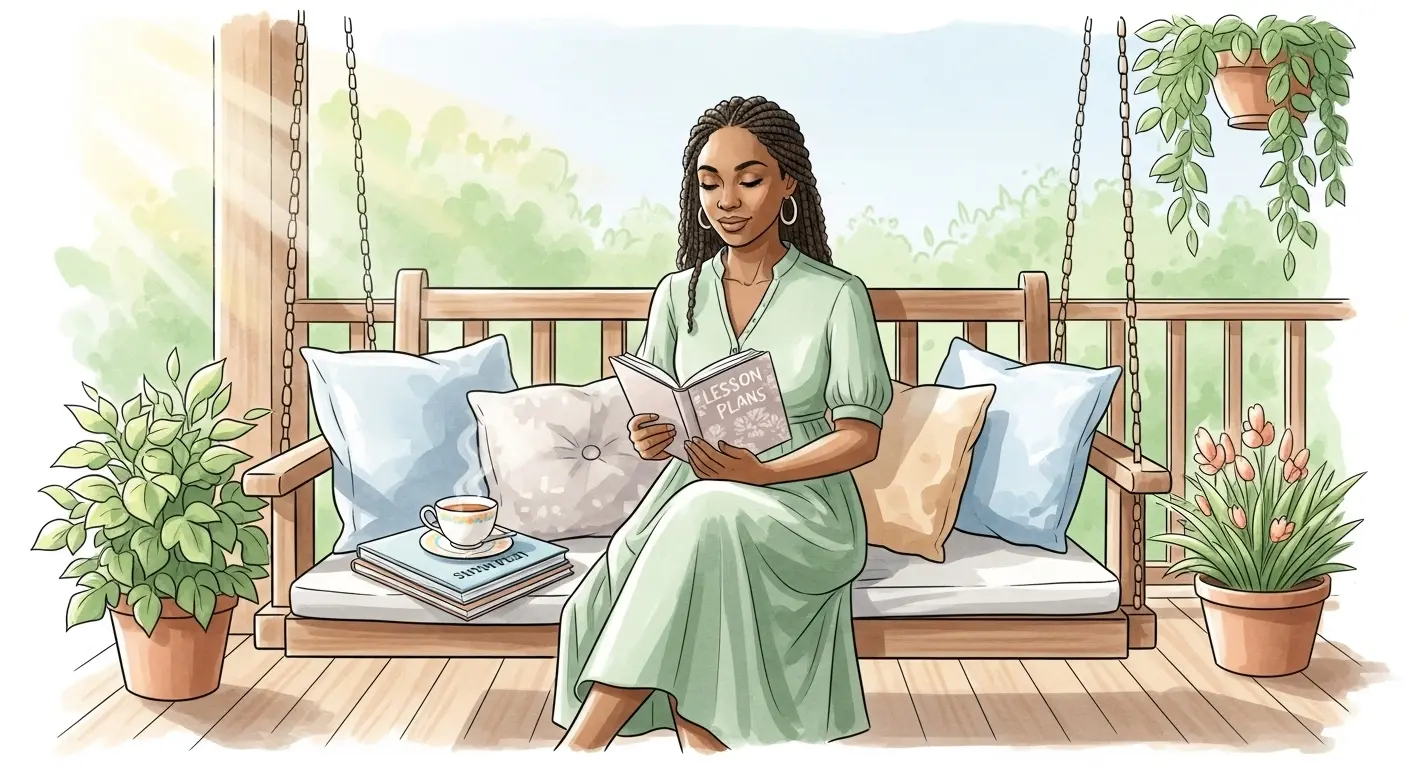
Finding Time for Yourself As a former language school director juggling teachers, students, families, and schedules, and as a mother of three children, I understand how easily teaching can spill into every corner of your life. Add lesson planning, grading, and professional development to the mix, and it feels like there’s barely a moment to […]

Modern neuroscience shows that true learning happens when we teach with the brain, not against it. This article explores how visual, social, and emotional factors influence memory and understanding — and how teachers can create classrooms that align with how the brain naturally learns.
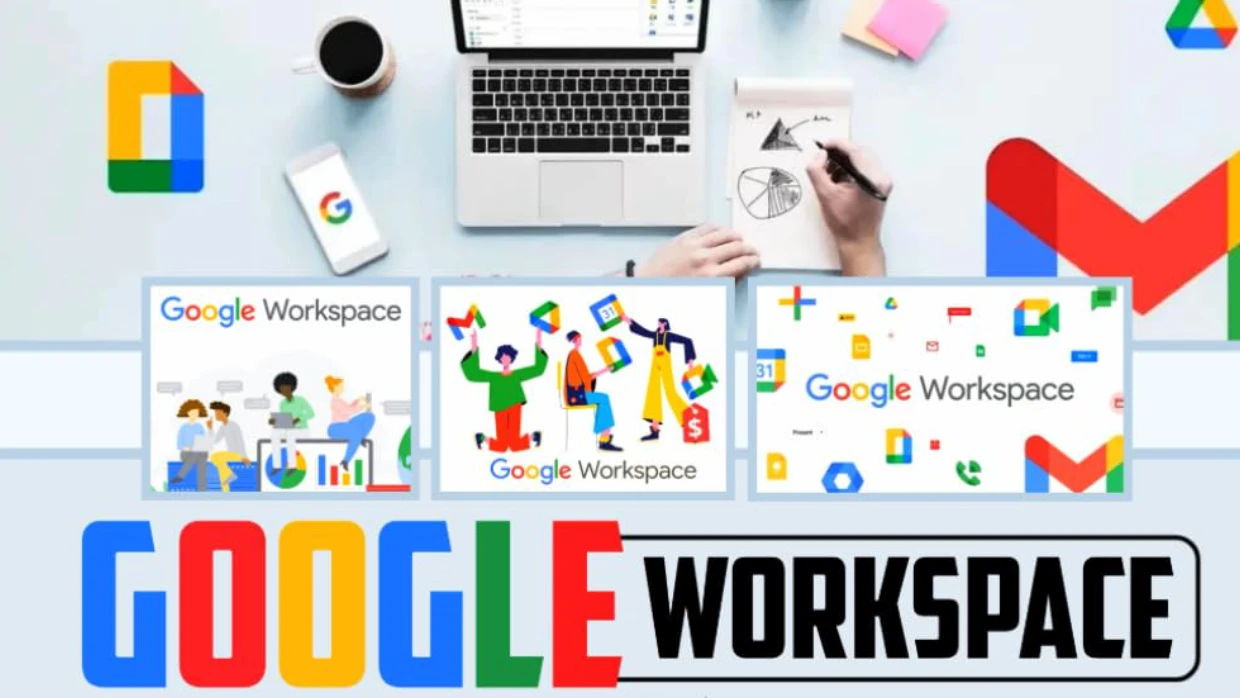
Discover how to organize, plan, and collaborate efficiently using Google Workspace tools tailored for teachers.

Turn lesson plans into real learning experiences with strategies that make planning practical and purposeful.

Reflect on what it means to lead with purpose — in your classroom, school, and beyond.

Privacy Policy | Cookies Policy | Terms of Use