
Learn how to use Canva to create beautiful, time-saving classroom materials that captivate students and simplify lesson prep.

Understand the basics of how the brain learns and how to apply neuroscience to everyday teaching.
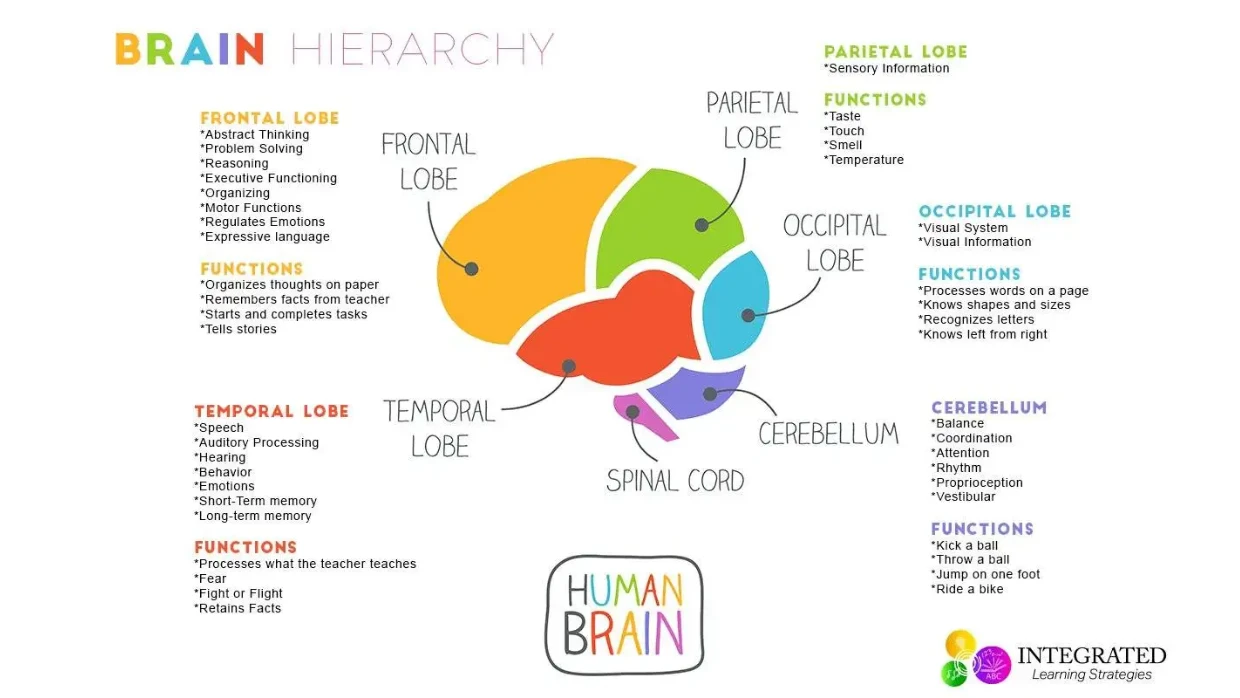
I remember the first time I stumbled upon an article about how the brain learns. It was like uncovering a secret manual that had been missing from my teaching toolkit. Suddenly, the challenges I faced in the classroom made more sense, and I realized that understanding even a little about neuroscience could transform the way I taught.
Learning is more than just absorbing information; it’s a complex process influenced by how the brain processes, stores, and retrieves knowledge. As educators, we don’t need to be neuroscientists, but knowing the basics can make our teaching more effective.
Our brains are wired to recognize and create patterns. This helps us make sense of new information by connecting it to what we already know.
Classroom Tip: Use mind maps, graphic organizers, or storytelling to help students link new concepts to familiar ones. For example, when teaching fractions, relate them to everyday activities like sharing slices of pizza.
Emotional experiences create stronger neural connections, making information more memorable. This is why students often remember stories or activities that made them feel something.
Classroom Tip: Incorporate personal stories, humor, or emotionally engaging topics to capture students’ attention. In a history lesson, I once compared the suspense of a story to the tension of a sports final—suddenly, everyone was hooked.
Passive listening doesn’t engage the brain as effectively as active participation. When students interact with the material, they process it more deeply.
Classroom Tip: Encourage activities like group discussions, hands-on experiments, or problem-solving tasks. For example, instead of lecturing about ecosystems, have students create their own mini-ecosystems in a jar.
The brain consolidates learning during rest, especially during sleep. Lack of sleep can significantly impair memory and concentration.
Classroom Tip: While we can’t control students’ sleep habits, we can teach them about the importance of rest and even schedule brain breaks during lessons to help with focus and retention.
The brain grows through challenges and mistakes. When students struggle, their brains are actively working to create new connections.
Classroom Tip: Create a classroom culture where mistakes are seen as a natural part of learning. Share stories of famous people who failed before succeeding, and always celebrate effort, not just correct answers.
Understanding how the brain learns has been a game-changer in my teaching journey. By applying these insights, we can create environments where students are not just memorizing facts but truly engaging with and understanding the material. After all, teaching is not just about filling minds with knowledge—it’s about lighting the spark that makes learning meaningful and lasting.
Learn how to use Canva to create beautiful, time-saving classroom materials that captivate students and simplify lesson prep.
Daily habits and reflections that help you recharge and stay inspired as an educator.
Simple tools to stay calm and grounded even on the toughest teaching days.

Finding Time for Yourself As a former language school director juggling teachers, students, families, and schedules, and as a mother of three children, I understand how easily teaching can spill into every corner of your life. Add lesson planning, grading, and professional development to the mix, and it feels like there’s barely a moment to […]

Modern neuroscience shows that true learning happens when we teach with the brain, not against it. This article explores how visual, social, and emotional factors influence memory and understanding — and how teachers can create classrooms that align with how the brain naturally learns.

Discover how to organize, plan, and collaborate efficiently using Google Workspace tools tailored for teachers.

Turn lesson plans into real learning experiences with strategies that make planning practical and purposeful.

Reflect on what it means to lead with purpose — in your classroom, school, and beyond.

Privacy Policy | Cookies Policy | Terms of Use