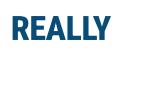
Learn how to use Canva to create beautiful, time-saving classroom materials that captivate students and simplify lesson prep.
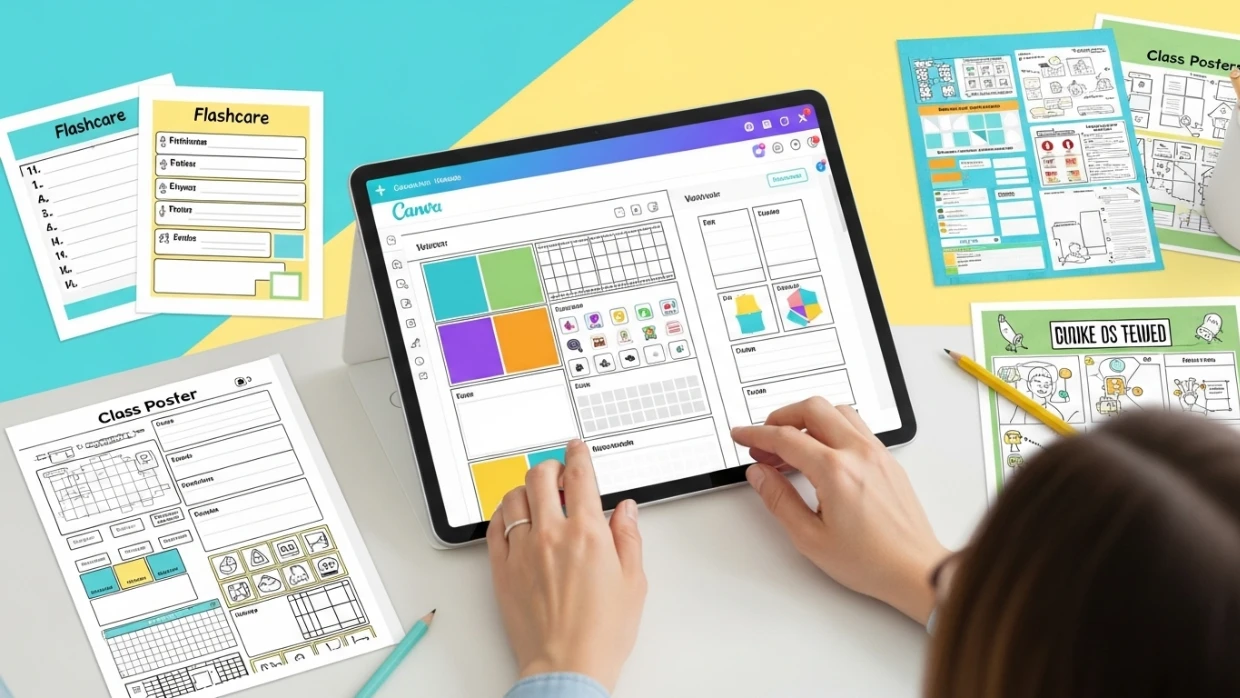

Practical ways to handle misbehaviour calmly while maintaining respect and connection. Some ideas which will turn your class into a respectful place.
Classroom disruptions are an inevitable part of teaching, but handling them effectively without resorting to punishment can create a more positive and productive learning environment. Here I share some strategies that can help teachers manage disruptions while maintaining respect and fostering growth.
Understanding your students beyond their academic performance is key. When students feel seen, heard, and valued, they are less likely to act out. Take time to learn about their interests, strengths, and challenges. A simple greeting at the door, a quick check-in, or acknowledging their efforts can make a big difference.
From the first day of class, establish clear, consistent rules and routines. Involve students in creating these rules to promote ownership and accountability. Revisit expectations regularly, and ensure they are communicated positively, focusing on what students should do instead of what they shouldn’t.
Prevent disruptions before they occur by designing engaging lessons that capture students’ attention. Vary activities to cater to different learning styles and keep transitions smooth. Use proximity control by moving around the classroom, making eye contact, and using non-verbal cues to maintain focus.
When disruptions happen, stay calm and composed. Address issues privately when possible to avoid embarrassing the student. Use a gentle, firm tone and focus on the behavior, not the student. For example, say, “I need you to focus on your work,” instead of “You’re always disrupting the class.”
Help students develop emotional regulation and conflict resolution skills. Incorporate activities that promote mindfulness, reflection, and self-assessment. Teach strategies like deep breathing, counting to ten, or using a “cool-down corner” where students can regain control without feeling punished.
After handling a disruption, reflect on what happened and why. Consider whether changes in classroom dynamics, lesson planning, or student support could prevent similar issues in the future. Encourage students to reflect on their behavior as well, fostering a growth mindset.
Managing classroom disruptions without punishment is about creating an environment of respect, understanding, and support. By focusing on proactive strategies, strong relationships, and self-regulation, teachers can turn challenges into opportunities for growth—both for themselves and their students.
Learn how to use Canva to create beautiful, time-saving classroom materials that captivate students and simplify lesson prep.
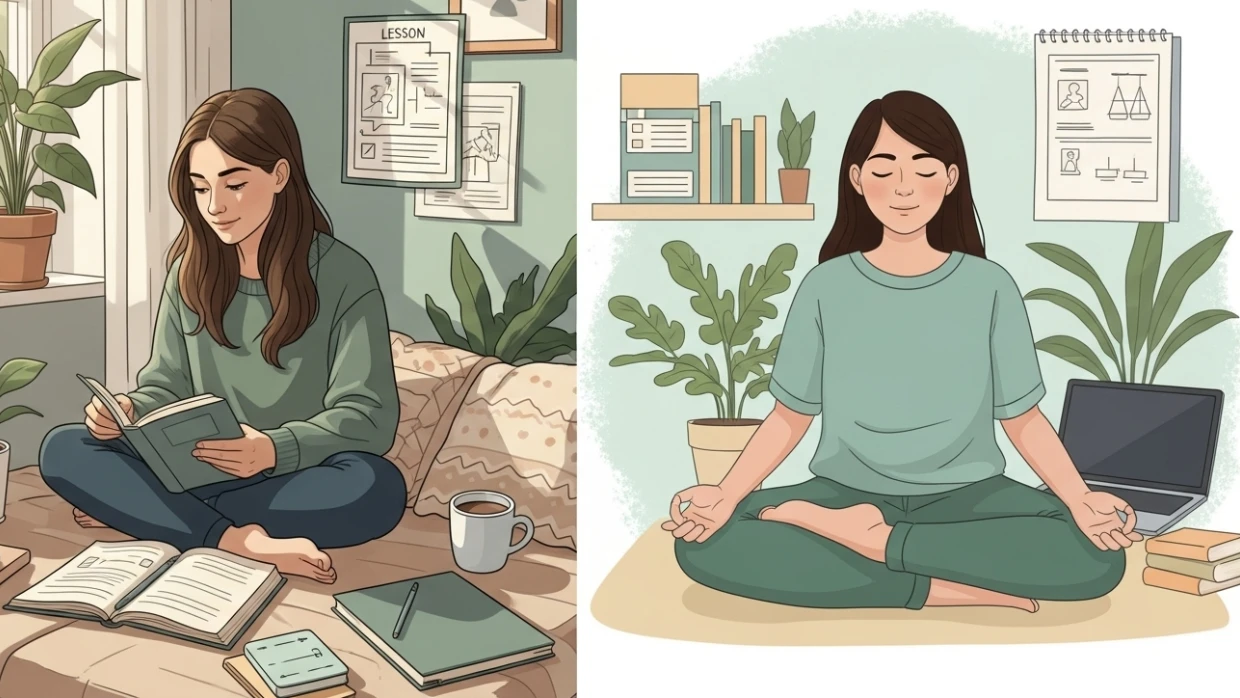
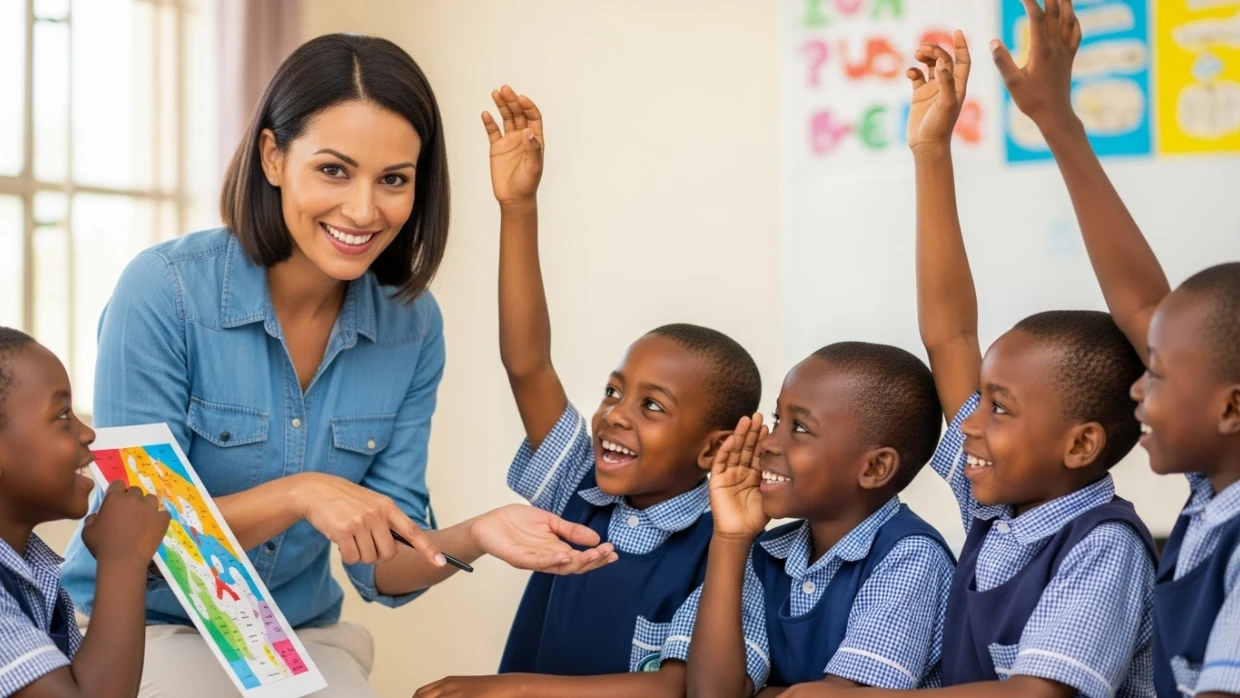
Daily habits and reflections that help you recharge and stay inspired as an educator.
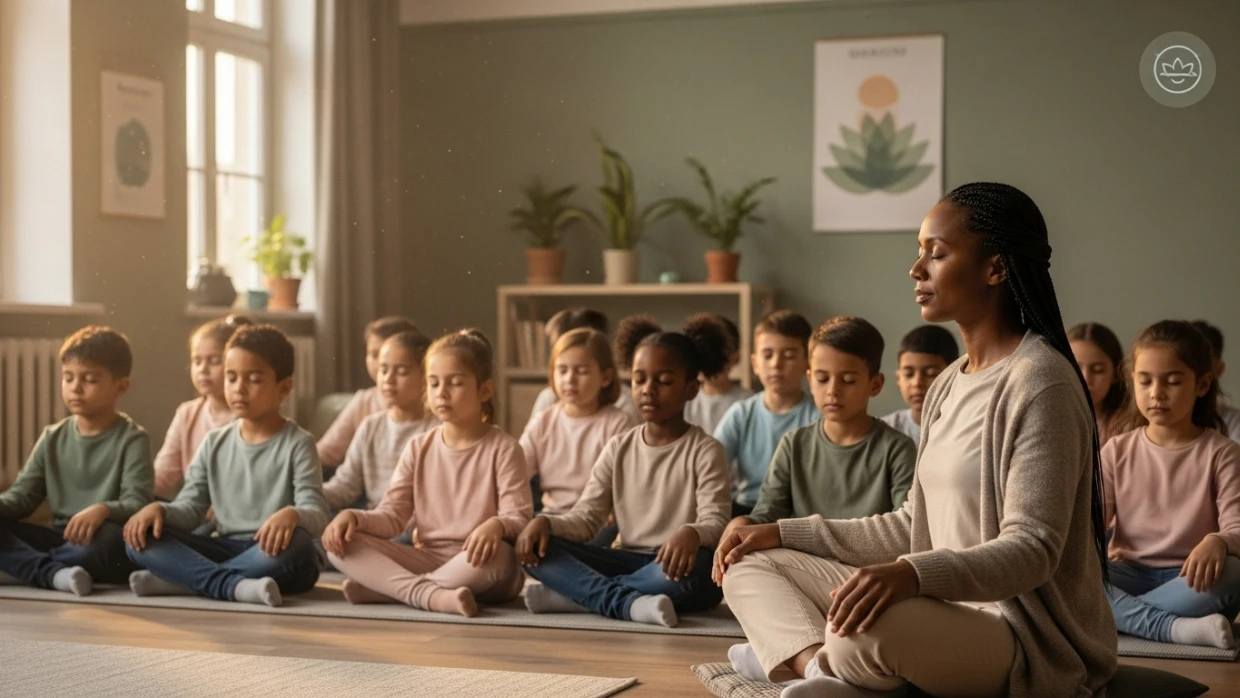
Simple tools to stay calm and grounded even on the toughest teaching days.
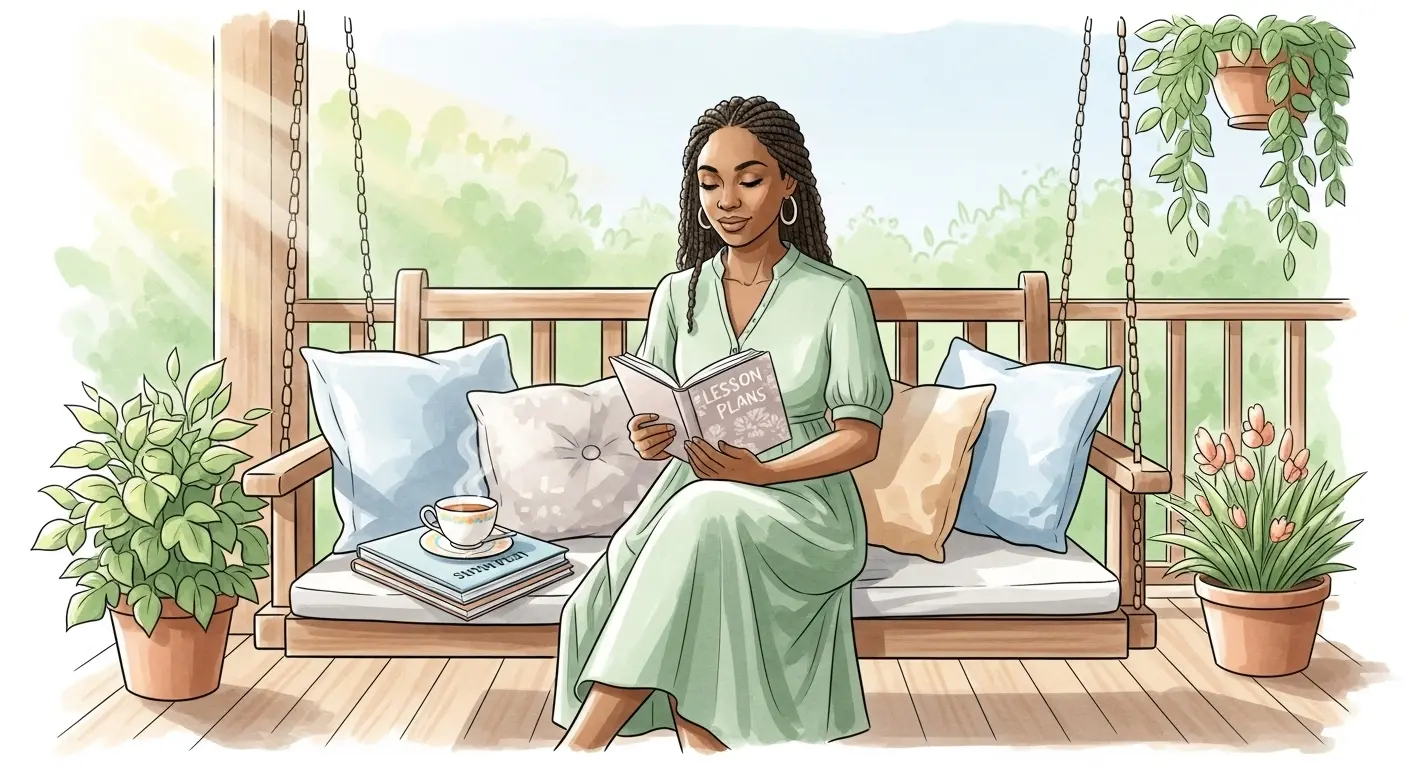
Finding Time for Yourself As a former language school director juggling teachers, students, families, and schedules, and as a mother of three children, I understand how easily teaching can spill into every corner of your life. Add lesson planning, grading, and professional development to the mix, and it feels like there’s barely a moment to […]

Modern neuroscience shows that true learning happens when we teach with the brain, not against it. This article explores how visual, social, and emotional factors influence memory and understanding — and how teachers can create classrooms that align with how the brain naturally learns.
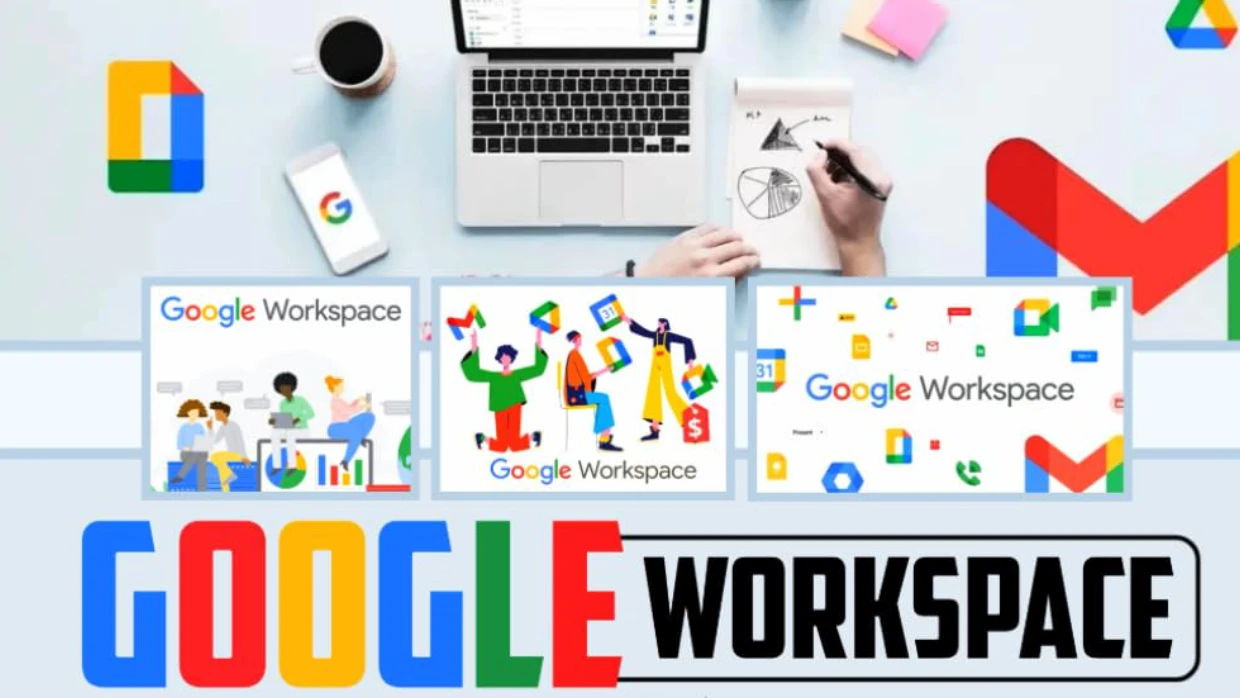
Discover how to organize, plan, and collaborate efficiently using Google Workspace tools tailored for teachers.

Turn lesson plans into real learning experiences with strategies that make planning practical and purposeful.
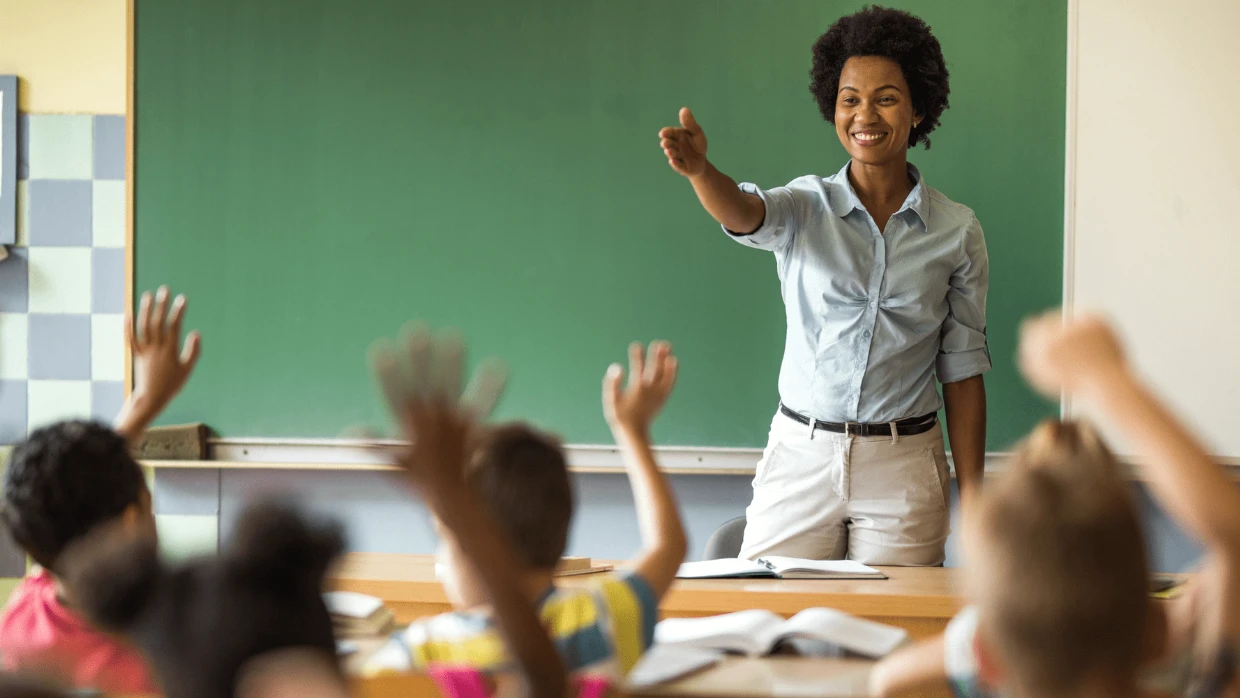
Reflect on what it means to lead with purpose — in your classroom, school, and beyond.
Privacy Policy | Cookies Policy | Terms of Use