
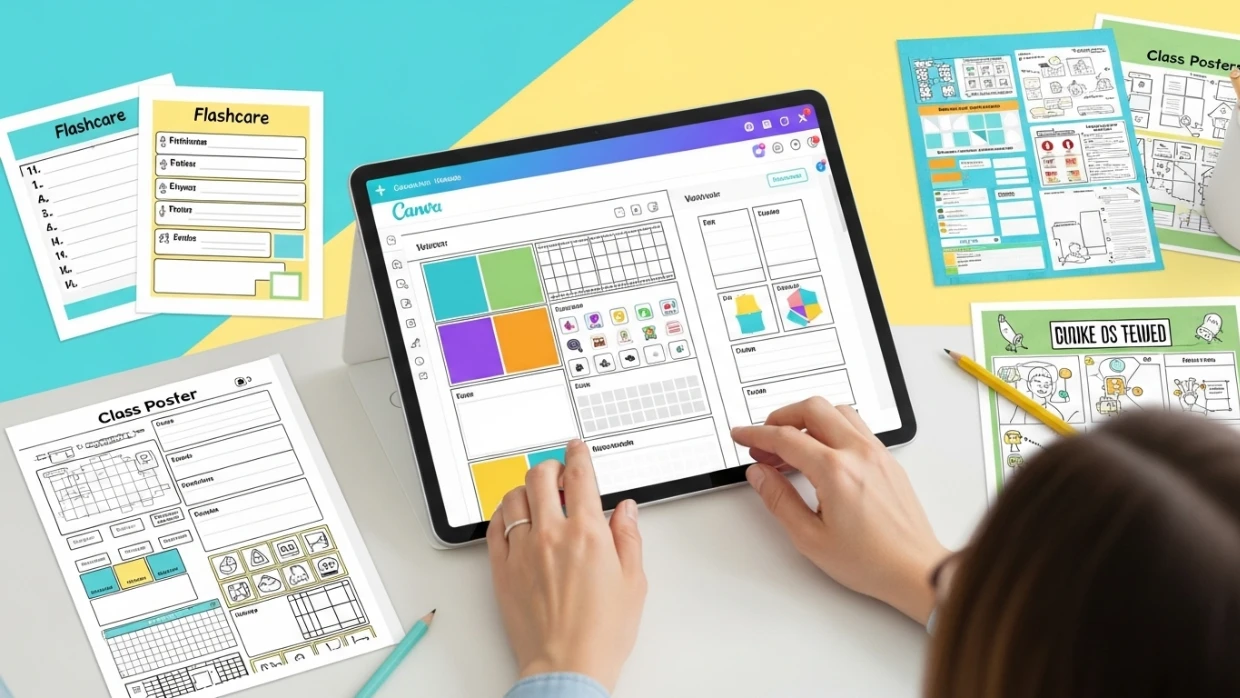
Learn how to use Canva to create beautiful, time-saving classroom materials that captivate students and simplify lesson prep.

Modern neuroscience shows that true learning happens when we teach with the brain, not against it. This article explores how visual, social, and emotional factors influence memory and understanding — and how teachers can create classrooms that align with how the brain naturally learns.

At the heart of modern education lies a fundamental question: are our methods aligned with how the brain naturally learns, or are we simply continuing traditions born from necessity and a lack of resources? The answer, backed by neuroscience, could forever change how we view our classrooms and the transmission of ideas.
If we believe multimedia is a modern invention, we overlook millennia of educational history. The primary method for transmitting ideas, long before the written word, was through cave paintings. Centuries later, in the Middle Ages, manuscripts were enriched with detailed illustrations, acknowledging that images have always been a powerful source for communication. Even a Renaissance genius like Leonardo da Vinci showed us that drawing was essential for expressing and communicating complex ideas, far beyond what mathematics and text alone could convey.
Why, then, did the dominant educational model for so long center on a blackboard, chalk, and the verbal transmission of knowledge? The answer is simple: it was a limitation born from a scarcity of resources, not a superior pedagogical choice. To believe that knowledge and ideas can only be transmitted through words is a step backward in our educational evolution.
Today, neuroscience isn’t inventing something new; it’s providing the scientific explanation for how the human brain integrates information and forms ideas. Its findings are clear: the brain learns best when it receives stimuli through multiple channels.
What we now call “multimedia” or “interactive learning” is simply a technologically advanced version of what our ancestors already knew: a picture is worth a thousand words, and interaction solidifies an idea. Neuroscience gives us the blueprint to finally adapt education to our own biology:
The goal is not to fill students’ minds as if they were empty vessels but to ignite the fire of their curiosity and their creative potential. The question is no longer if we should change, but how we can begin.
Neuroscience-based training provides teachers with the practical tools to:
We are not proposing a passing trend, but a return to the essence of human learning, now validated by science. It’s time to move beyond the limitations of the past and start teaching in harmony with the organ that learns: the brain.
Learn how to use Canva to create beautiful, time-saving classroom materials that captivate students and simplify lesson prep.
Daily habits and reflections that help you recharge and stay inspired as an educator.

Simple tools to stay calm and grounded even on the toughest teaching days.

Finding Time for Yourself As a former language school director juggling teachers, students, families, and schedules, and as a mother of three children, I understand how easily teaching can spill into every corner of your life. Add lesson planning, grading, and professional development to the mix, and it feels like there’s barely a moment to […]
Discover how to organize, plan, and collaborate efficiently using Google Workspace tools tailored for teachers.

Turn lesson plans into real learning experiences with strategies that make planning practical and purposeful.

Reflect on what it means to lead with purpose — in your classroom, school, and beyond.
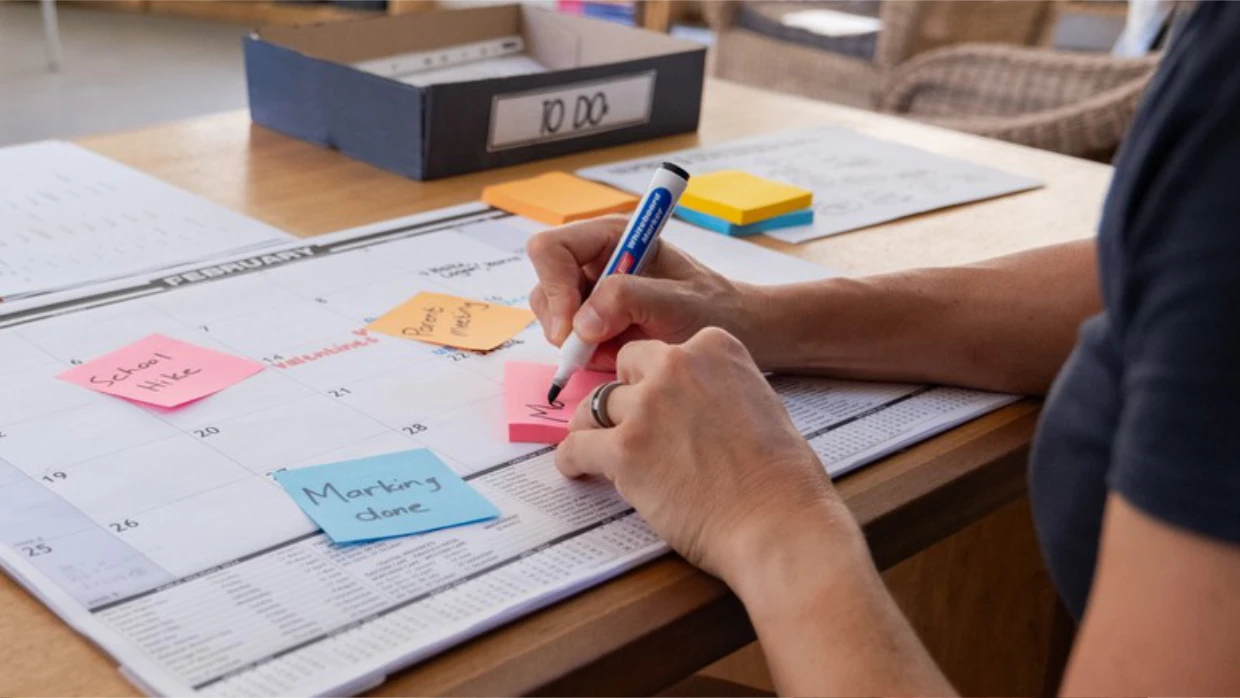
Learn how to design a coherent and flexible curriculum that supports progression, creativity, and active learning.
Privacy Policy | Cookies Policy | Terms of Use