Learn how to use Canva to create beautiful, time-saving classroom materials that captivate students and simplify lesson prep.
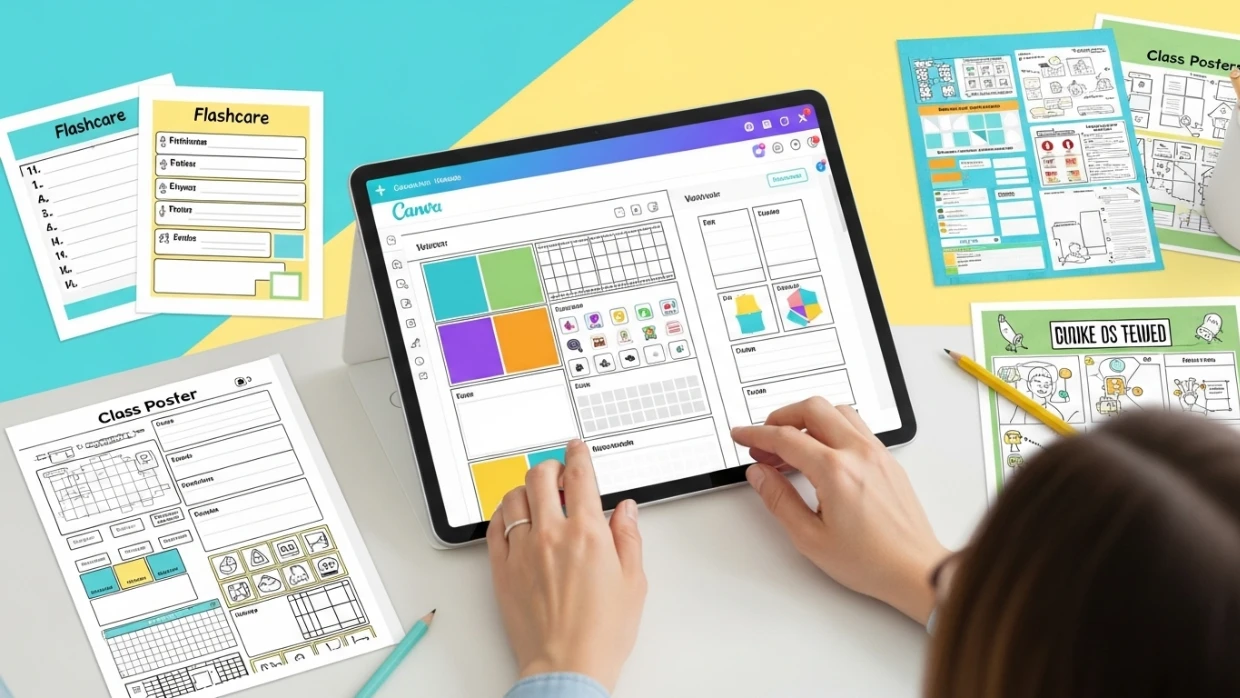

Discover how meaningful recognition and authentic praise can transform student motivation. Learn to design reward systems that go beyond stickers and points — fostering genuine effort, self-esteem, and a lasting love for learning.
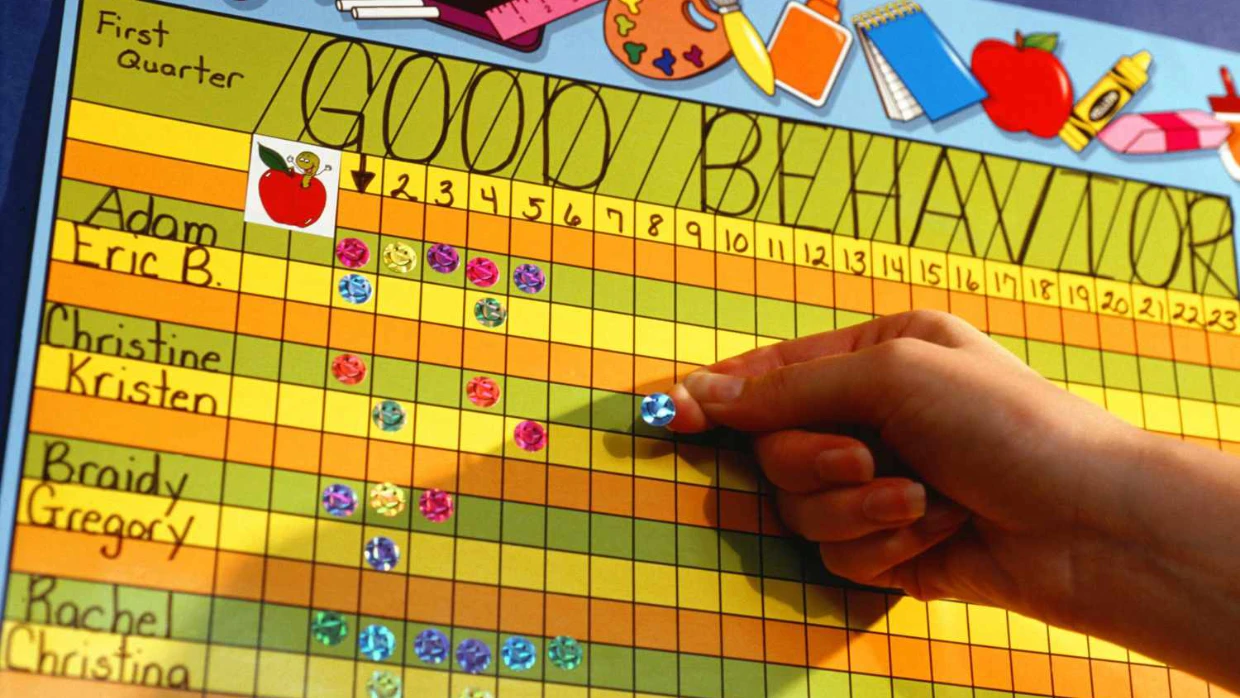
Did you know that your words can literally change your students’ brains?
Every “Good job!”, every “I knew you could do it!” releases dopamine — a tiny spark of motivation that helps children learn faster and feel capable.
Now think about the opposite.
A careless comment like “You’re always distracted” or “That’s not good enough” can do the same in reverse — shutting down confidence, curiosity, and even memory.
As teachers, our words can build or break a student’s belief in themselves. That’s why positive reinforcement isn’t just a classroom strategy — it’s an act of care, a daily decision to see what’s going right. Over the years, I’ve learned that the most powerful reward isn’t a sticker, a point, or a prize — it’s the moment a child realises: “My teacher believes in me.”
Positive reinforcement is about communicating to students: “I see you. I notice your effort. What you do matters.”
From a neuroeducational perspective, recognition activates the brain’s dopamine system, which reinforces motivation and helps form positive learning associations. The key is authenticity. Students know when praise is genuine — and when it’s not.
Here’s what I’ve learned works best in the classroom:
✅ Acknowledge effort, not perfection
Instead of “Great job!”, try: “I like how you kept trying even when it was hard.”
This builds resilience and a growth mindset.
✅ Focus on intrinsic motivation
Connect praise to values, not objects:
“You helped your classmate — that shows kindness.”
“You organised your materials — that shows responsibility.”
✅ Use group goals wisely
Collective challenges (like a class puzzle, star chart, or “kindness tracker”) encourage collaboration rather than competition.
✅ Give feedback publicly, rewards privately
If a student needs recognition, tell them individually — it’s more personal and less performative.
a) The Effort Ladder
Each week, students set small goals (e.g., “I’ll participate once every lesson”). When they meet them, they move up a step on the class ladder. There’s no punishment for not moving — just encouragement to keep trying.
b) Catch Them Being Good Cards
Keep small slips where you can quickly note positive actions (“Helped a friend”, “Showed curiosity”). Hand them out when you notice genuine behaviour. Students collect them and reflect on what they mean.
c) Team Challenges
Instead of individual prizes, reward teamwork — like earning points for collaboration, kindness, or creativity. My students once won a “Music Friday” where they chose songs in English for the last 10 minutes of class — pure joy!
General praise (“Well done!”) feels nice but fades quickly. Specific praise is far more powerful:
This kind of language builds emotional intelligence, empathy, and intrinsic motivation.
Positive reinforcement is not about control; it’s about connection.
When we focus on what students are doing right — and tell them why it matters — we strengthen both their learning and their confidence.
Over time, I noticed that my students no longer asked, “What do we get if we finish?”
They started saying, “Can we try again?” That’s when I knew something had truly changed.
Learn how to use Canva to create beautiful, time-saving classroom materials that captivate students and simplify lesson prep.
Daily habits and reflections that help you recharge and stay inspired as an educator.
Simple tools to stay calm and grounded even on the toughest teaching days.
Finding Time for Yourself As a former language school director juggling teachers, students, families, and schedules, and as a mother of three children, I understand how easily teaching can spill into every corner of your life. Add lesson planning, grading, and professional development to the mix, and it feels like there’s barely a moment to […]

Modern neuroscience shows that true learning happens when we teach with the brain, not against it. This article explores how visual, social, and emotional factors influence memory and understanding — and how teachers can create classrooms that align with how the brain naturally learns.
Discover how to organize, plan, and collaborate efficiently using Google Workspace tools tailored for teachers.

Turn lesson plans into real learning experiences with strategies that make planning practical and purposeful.
Reflect on what it means to lead with purpose — in your classroom, school, and beyond.
Privacy Policy | Cookies Policy | Terms of Use