
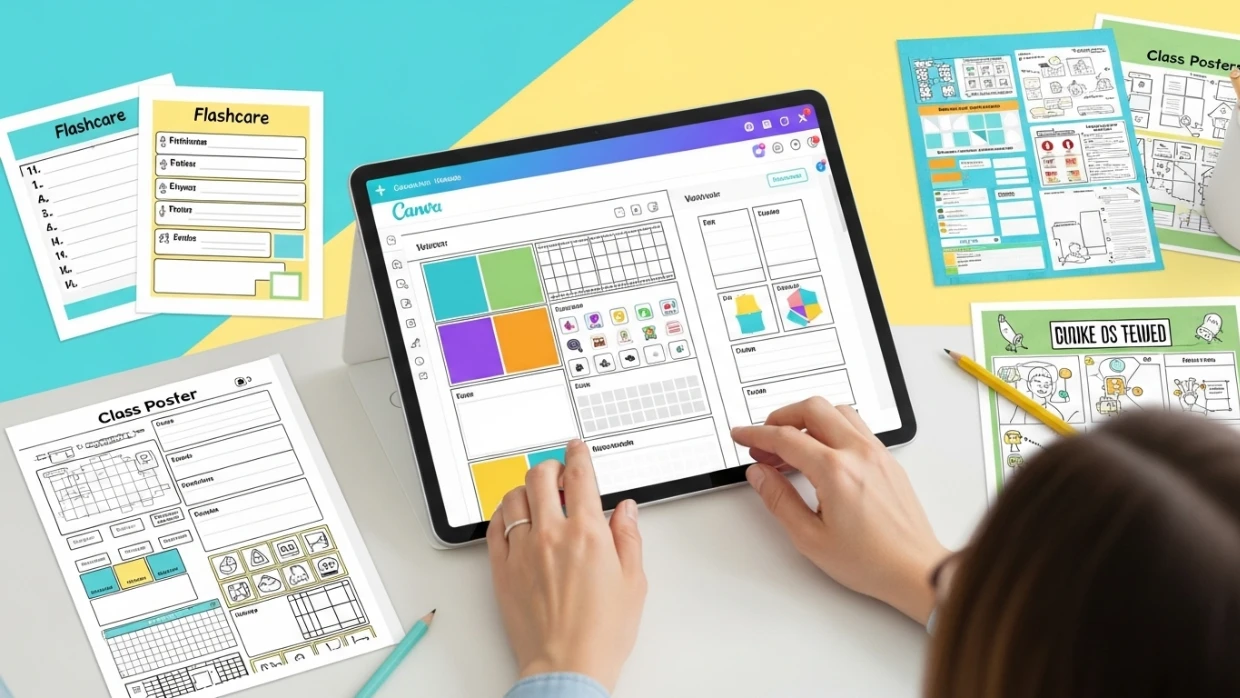
Learn how to use Canva to create beautiful, time-saving classroom materials that captivate students and simplify lesson prep.

What science says about the effects of fear and punishment on memory, learning, and emotional growth.

I once noticed a student in my language school who seemed unusually withdrawn and unmotivated. After speaking with him privately, I learned that he had recently been subjected to physical punishment at home. This experience made me reflect deeply on how such disciplinary methods affect not just behavior, but also a child’s ability to learn and thrive in the classroom.
Emotions play a crucial role in how students absorb, process, and retain information. A positive emotional environment fosters curiosity, motivation, and resilience, while fear and stress can hinder cognitive functions like memory and concentration.
Physical punishment, defined as any disciplinary action intended to cause physical pain or discomfort, has been linked to numerous negative outcomes for children:
Despite its widespread use, physical punishment has proven ineffective in promoting long-term behavior change. Research shows that while it may result in immediate compliance, it does not teach children the skills needed for self-regulation or problem-solving. A meta-analysis published by the American Psychological Association found no evidence that physical punishment improves children’s behavior over time (APA).
Instead of physical punishment, educators and parents can adopt positive discipline strategies that support both behavioral growth and emotional well-being:
Creating a learning environment free from fear and punitive practices is essential for nurturing confident, motivated, and emotionally healthy students. By replacing physical punishment with constructive discipline strategies, educators and caregivers can foster not only better behavior but also a deeper, more meaningful engagement with learning.
Learn how to use Canva to create beautiful, time-saving classroom materials that captivate students and simplify lesson prep.
Daily habits and reflections that help you recharge and stay inspired as an educator.
Simple tools to stay calm and grounded even on the toughest teaching days.
Finding Time for Yourself As a former language school director juggling teachers, students, families, and schedules, and as a mother of three children, I understand how easily teaching can spill into every corner of your life. Add lesson planning, grading, and professional development to the mix, and it feels like there’s barely a moment to […]

Modern neuroscience shows that true learning happens when we teach with the brain, not against it. This article explores how visual, social, and emotional factors influence memory and understanding — and how teachers can create classrooms that align with how the brain naturally learns.
Discover how to organize, plan, and collaborate efficiently using Google Workspace tools tailored for teachers.

Turn lesson plans into real learning experiences with strategies that make planning practical and purposeful.
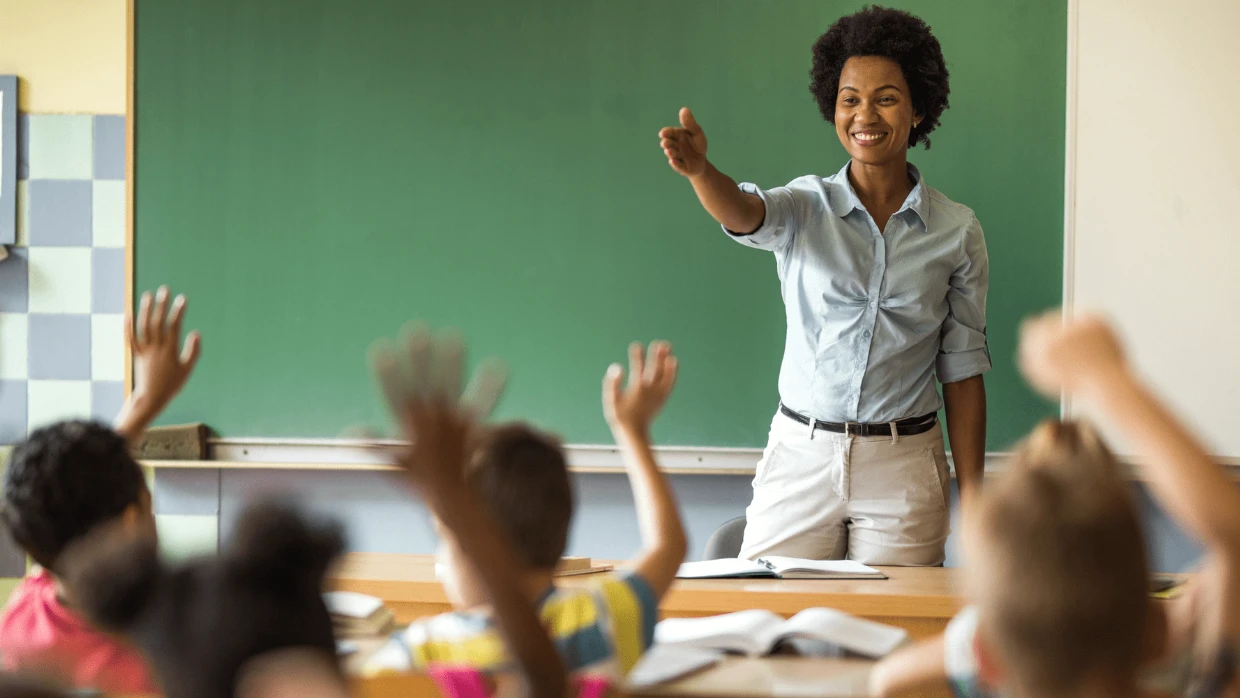
Reflect on what it means to lead with purpose — in your classroom, school, and beyond.
Privacy Policy | Cookies Policy | Terms of Use