
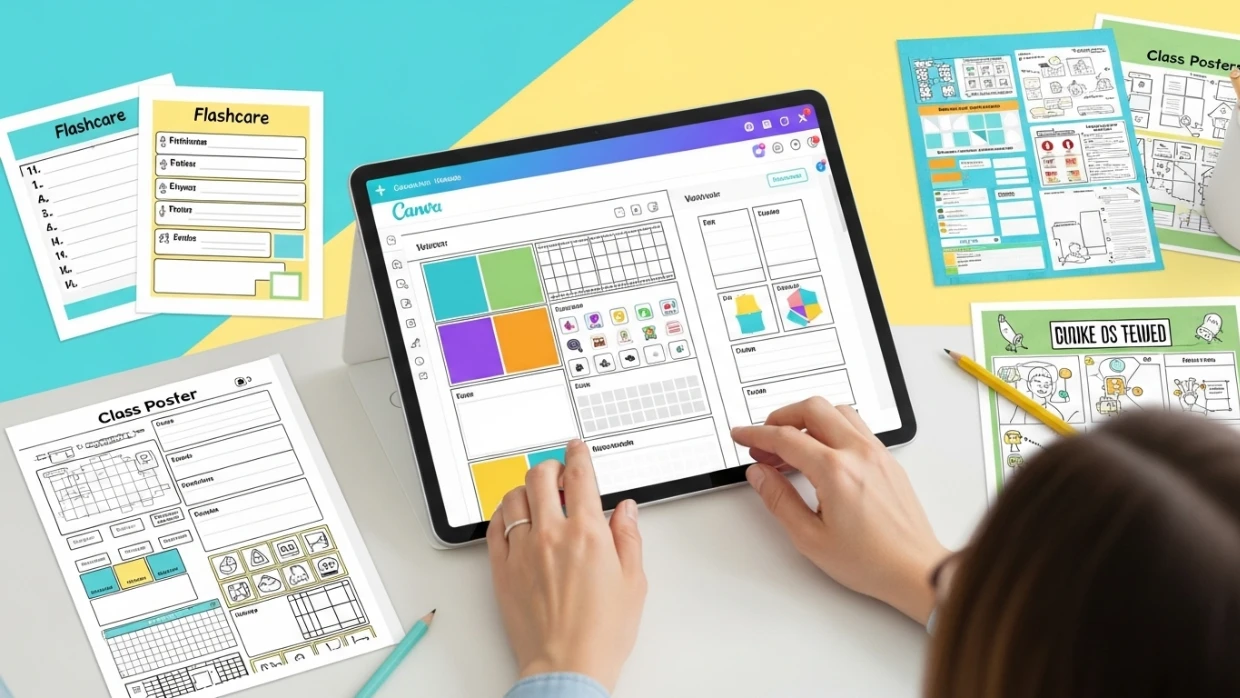
Learn how to use Canva to create beautiful, time-saving classroom materials that captivate students and simplify lesson prep.

Explore how attention works in the brain and discover strategies to help students stay focused and present.
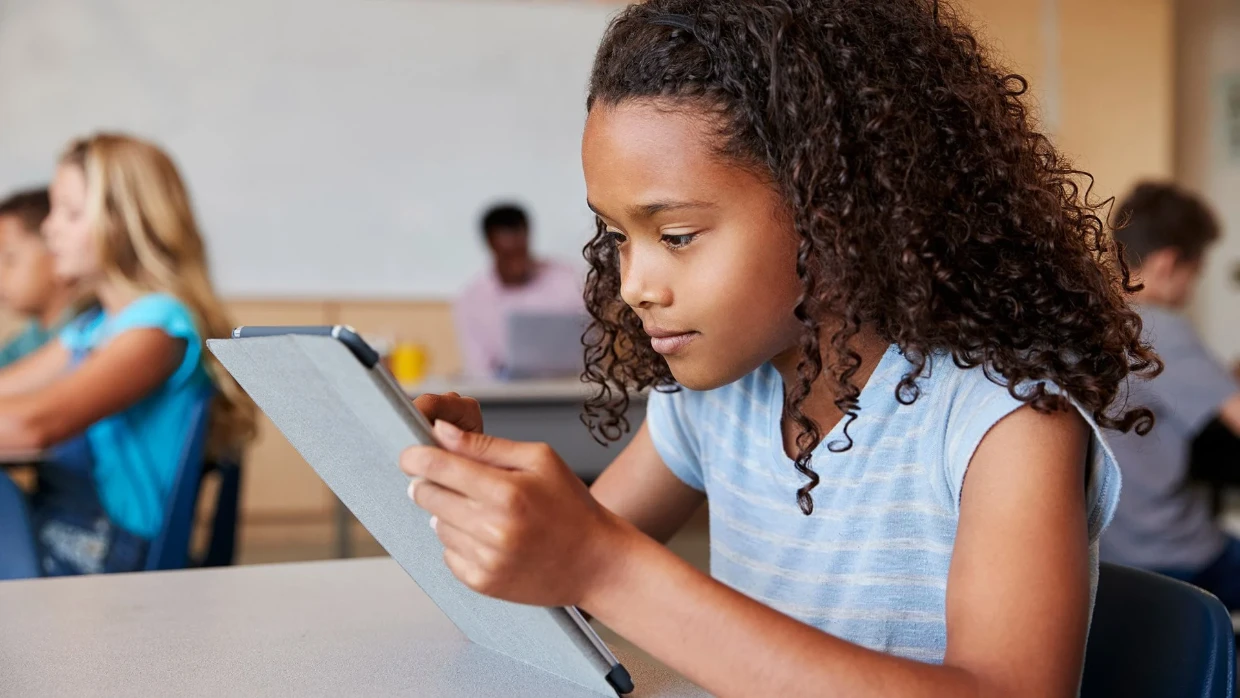
While teaching secondary school students as a Spanish language assistant, I quickly noticed that maintaining their attention was often more challenging than delivering the lesson itself. It became clear that understanding the science behind attention was key to creating effective learning experiences. Here are strategies, grounded in cognitive science and enriched by my classroom experiences, that can help keep students engaged and focused.
Attention is limited and fluctuates naturally, especially in young learners. Research suggests that the average attention span of a student is around 10-15 minutes before it starts to wane. This means lessons need to be dynamic, with regular shifts in activity to re-engage the brain.
Instead of long, continuous lectures, divide lessons into short segments with varied activities. For example, when teaching vocabulary, I start with a quick interactive game, move to a brief explanation, and then have students practice in pairs. This structure maintains energy and focus.
Starting a lesson with an unexpected question, a short story, or an intriguing image can capture students’ curiosity. I often began my university Spanish classes with cultural trivia or surprising facts about Spanish-speaking countries—simple hooks that sparked interest and discussion.
Physical activity boosts attention and memory. Even small actions, like having students stand to answer questions or switch seats for group work, can refresh their focus. In my primary school classes, quick “brain breaks” with light stretching or simple games worked wonders.
Using diverse teaching strategies keeps lessons fresh. Combine direct instruction with group discussions, multimedia resources, and hands-on activities. When I taught adults, alternating between speaking exercises, listening tasks, and role-plays helped sustain engagement.
Emotionally engaging content enhances attention and retention. Sharing personal stories, using humor, or discussing real-world topics can make lessons more relatable. I’ve found that when students connect emotionally with the material, their focus naturally improves.
Minimize external distractions by organizing the classroom thoughtfully. Clear visual clutter, manage noise levels, and establish routines that help students transition smoothly between tasks. Consistency in the learning environment supports sustained attention.
In a lesson on Spanish reflexive verbs, I designed an interactive “Daily Routine Relay” where students mimed morning activities while classmates guessed the verbs. This playful, movement-based activity kept everyone engaged while reinforcing the target language.
Keeping students focused isn’t about demanding their attention—it’s about creating learning experiences that naturally draw it in. By understanding how attention works and applying varied, interactive strategies, teachers can foster classrooms where focus and engagement thrive.
Learn how to use Canva to create beautiful, time-saving classroom materials that captivate students and simplify lesson prep.
Daily habits and reflections that help you recharge and stay inspired as an educator.
Simple tools to stay calm and grounded even on the toughest teaching days.

Finding Time for Yourself As a former language school director juggling teachers, students, families, and schedules, and as a mother of three children, I understand how easily teaching can spill into every corner of your life. Add lesson planning, grading, and professional development to the mix, and it feels like there’s barely a moment to […]

Modern neuroscience shows that true learning happens when we teach with the brain, not against it. This article explores how visual, social, and emotional factors influence memory and understanding — and how teachers can create classrooms that align with how the brain naturally learns.
Discover how to organize, plan, and collaborate efficiently using Google Workspace tools tailored for teachers.

Turn lesson plans into real learning experiences with strategies that make planning practical and purposeful.

Reflect on what it means to lead with purpose — in your classroom, school, and beyond.

Privacy Policy | Cookies Policy | Terms of Use