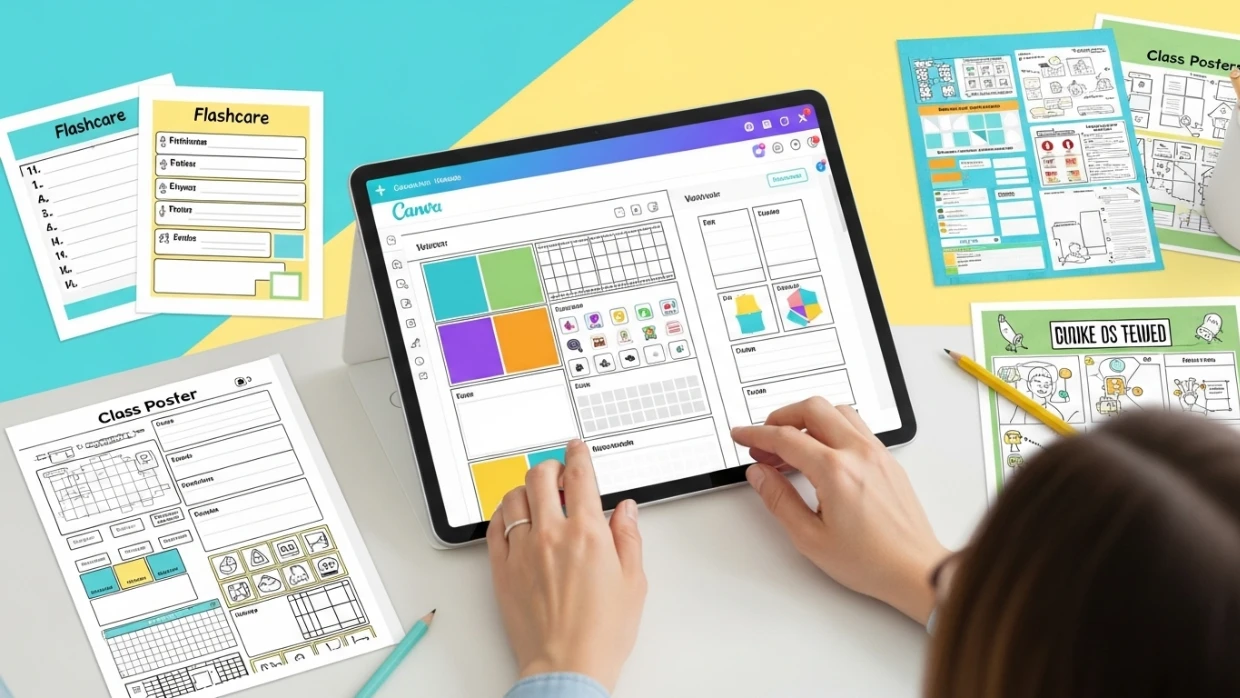
Learn how to use Canva to create beautiful, time-saving classroom materials that captivate students and simplify lesson prep.

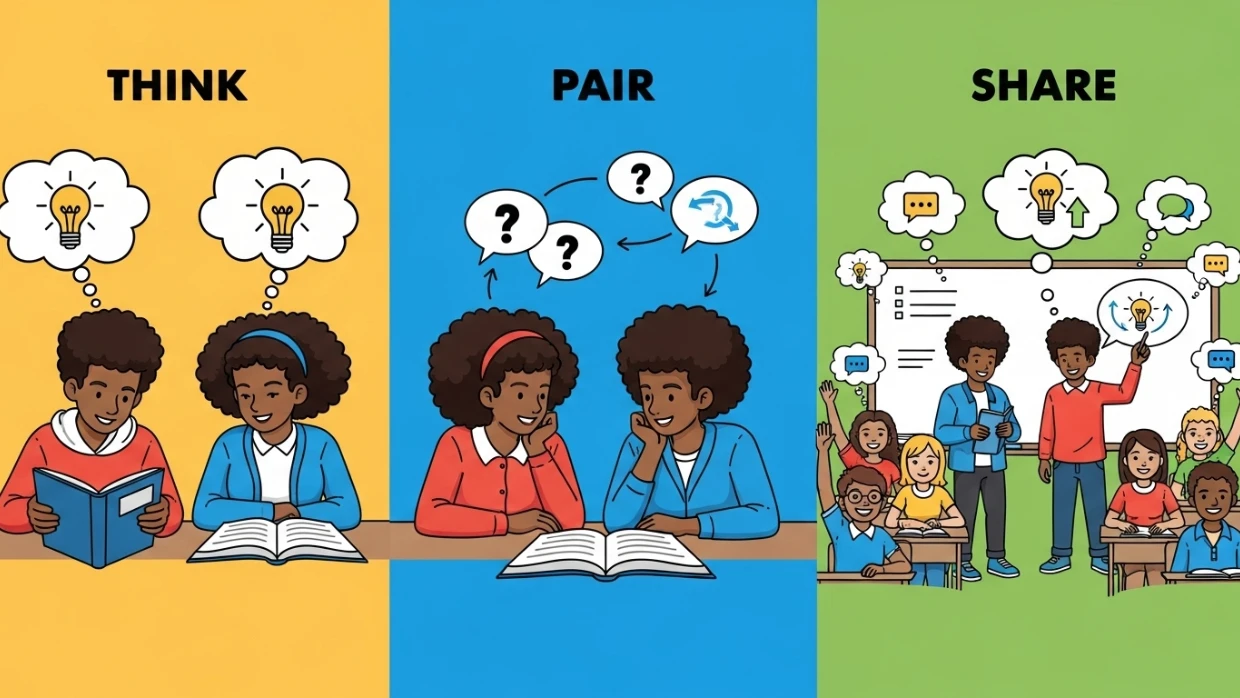
A simple three-step method that ensures every student participates, reflects, and feels heard.
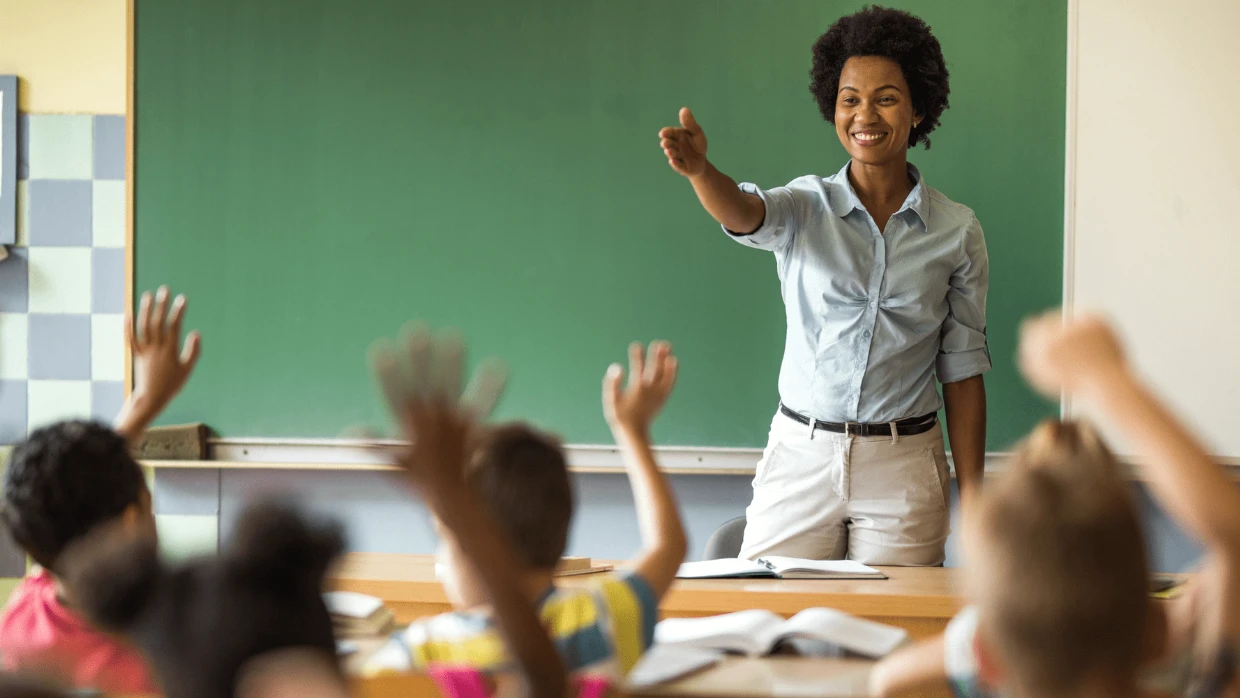
I used to think that classroom participation depended mostly on personality — that some students were just “naturally talkative” while others preferred to stay quiet. But then I discovered a simple technique that completely changed the atmosphere in my language classes: Think–Pair–Share.
I first tried it during a reading lesson with my Grade 6 students. The question was: “What do you think the main character is feeling in this part of the story?”
In the past, only the same two or three hands would go up. But this time, everyone had something to say — even the shy ones. Why? Because they had time to think, someone to share with, and the safety of a small conversation before speaking to the group.
It’s a three-step strategy that encourages every student to process, discuss, and express their ideas.
1️⃣ Think: Each student takes a moment (usually 30 seconds to 1 minute) to think about a question or problem individually.
2️⃣ Pair: They discuss their ideas with a partner, compare thoughts, and prepare what they’ll share.
3️⃣ Share: Pairs then share their conclusions with the class.
It’s incredibly simple, but its power lies in structure — everyone participates, and no one is put on the spot.
Think–Pair–Share activates key principles from neuroscience and active learning:
In my experience, this strategy not only increased participation but also quality: students’ answers became more reflective and creative.
One of my favourite moments is listening to the “buzz” of paired conversations — it’s the sound of learning in motion.
Think–Pair–Share reminded me that participation isn’t about confidence; it’s about structure. When students have a chance to think and share safely, their voices multiply.
Now, even the quietest student in my class knows: their ideas matter, and they will be heard.
Learn how to use Canva to create beautiful, time-saving classroom materials that captivate students and simplify lesson prep.
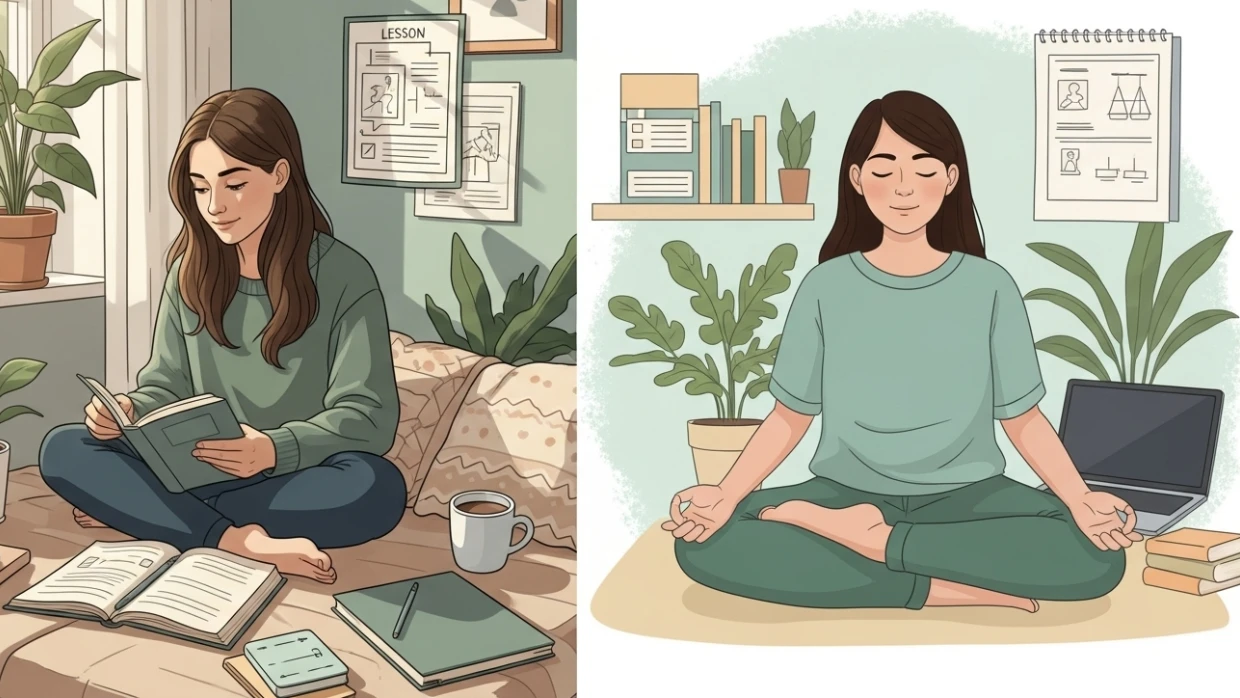
Daily habits and reflections that help you recharge and stay inspired as an educator.
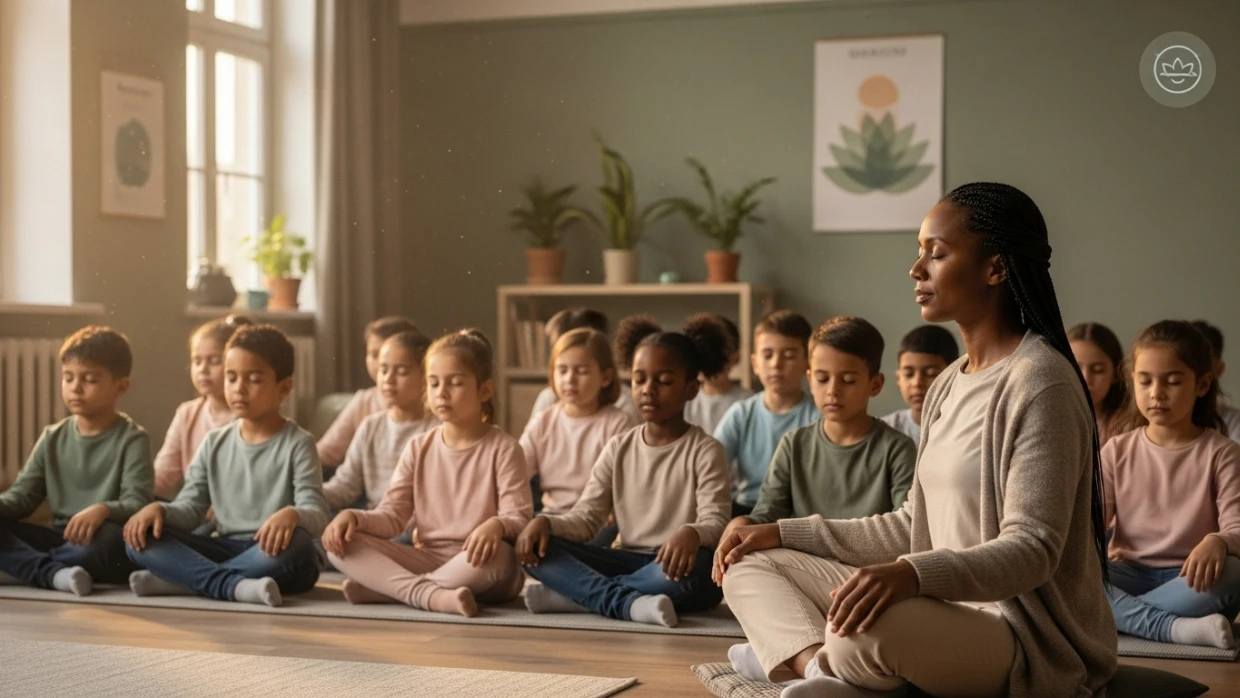
Simple tools to stay calm and grounded even on the toughest teaching days.
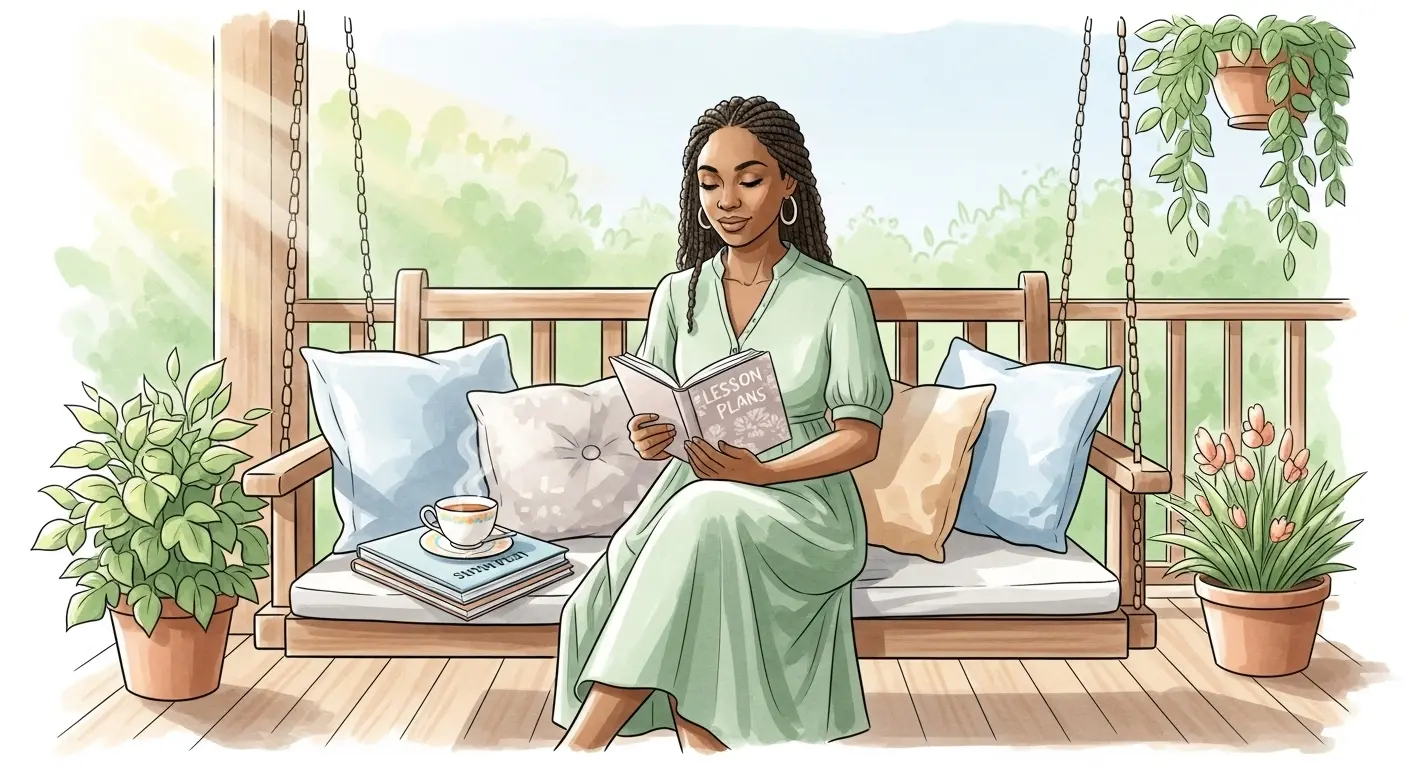
Finding Time for Yourself As a former language school director juggling teachers, students, families, and schedules, and as a mother of three children, I understand how easily teaching can spill into every corner of your life. Add lesson planning, grading, and professional development to the mix, and it feels like there’s barely a moment to […]
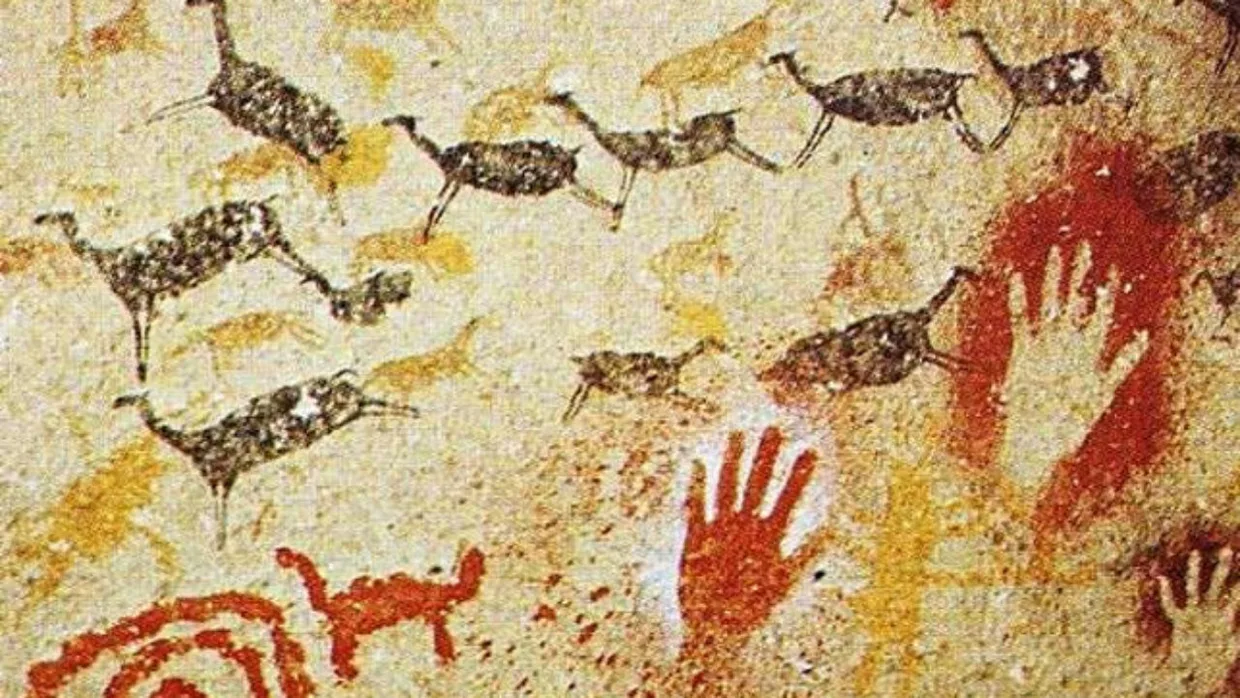
Modern neuroscience shows that true learning happens when we teach with the brain, not against it. This article explores how visual, social, and emotional factors influence memory and understanding — and how teachers can create classrooms that align with how the brain naturally learns.
Discover how to organize, plan, and collaborate efficiently using Google Workspace tools tailored for teachers.

Turn lesson plans into real learning experiences with strategies that make planning practical and purposeful.
Reflect on what it means to lead with purpose — in your classroom, school, and beyond.
Privacy Policy | Cookies Policy | Terms of Use